
SEARCH WHAT YOU WANT
What a Sneaker Care Starter Pack Can and Cannot Do for Mesh, Knit, Leather and Suede
Time:2026-11-04
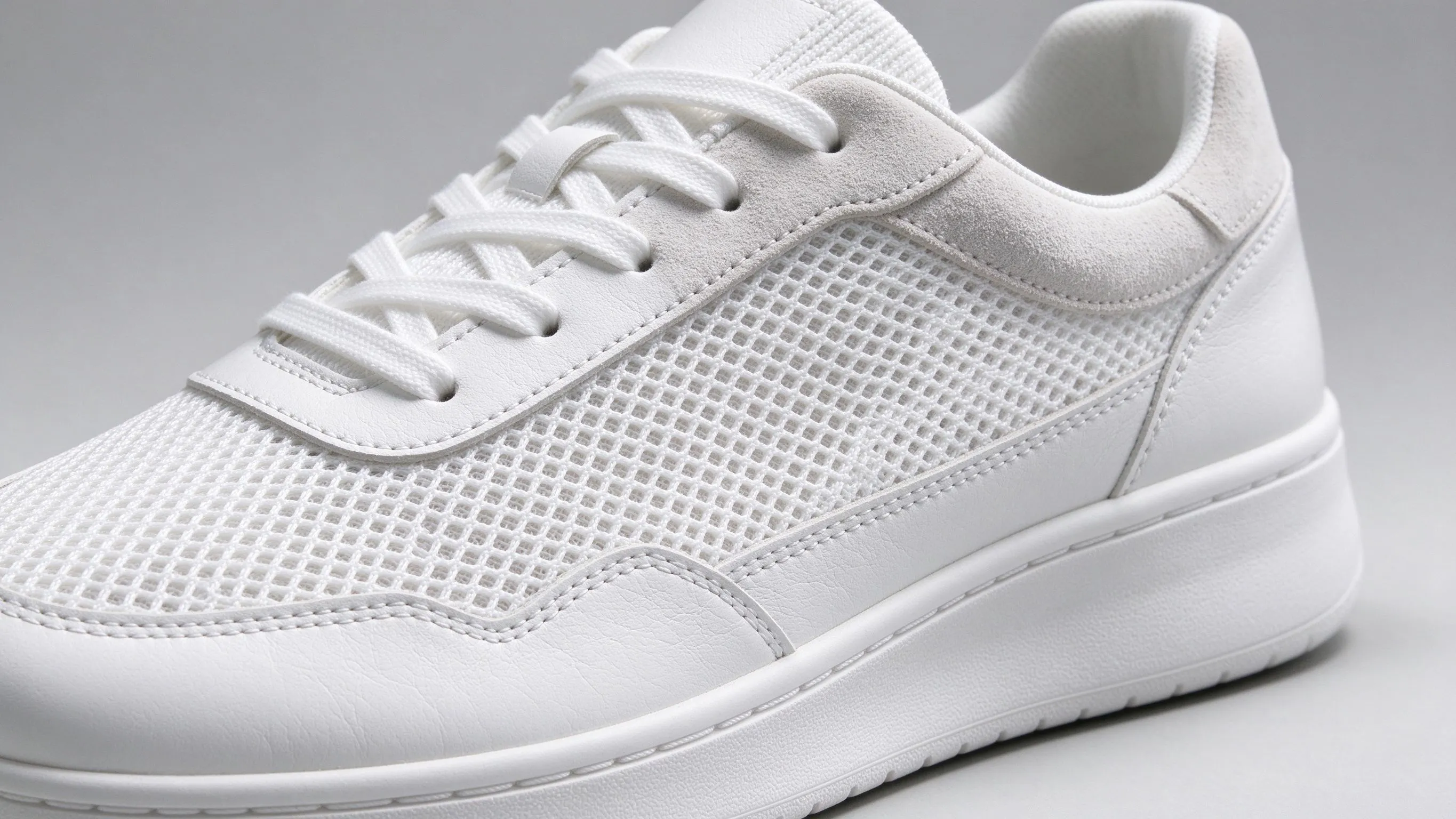
Overview. This article goes through the four surfaces found on most sneakers — mesh, knit, smooth leather and suede — and explains what a sneaker care kit starter pack can do for each one, and where it stops. It helps you avoid the two common mistakes: expecting one cleaner to suit every material, and ruining a delicate upper with a product that was never meant for it. By the end you should know which parts of your sneakers the starter pack handles easily and which one extra item each material eventually needs.
Four Surfaces, Four Different Tolerances
A sneaker is rarely one material. The upper may be mesh with a leather toe cap and a suede heel tab; the sole is rubber; the lining is fabric. Each surface tolerates different products, and the starter pack was designed around the ones that clean easily. The table below maps the four main surfaces to what the starter pack does and what it cannot do.
| Material | What the Starter Pack Does | Where It Stops |
|---|---|---|
| Mesh and knit | Lifts dirt with the cleaner and soft brush | Cannot repair snags or stretched fabric |
| Smooth leather | Cleans panels and wipes the toe cap | Cleaner can dry the leather; add a conditioner |
| Suede and nubuck | Cleans the laces, rubber and lining safely | Water-based cleaner stains the nap; add suede tools |
| Canvas | Cleans easily and thoroughly | Heavy stains may need a pre-treatment pass |
Mesh and Knit First
Mesh and knit make up most of the sneaker upper, and they are the surfaces the starter pack is built for. The soft brush lifts loose dirt, the cleaner lifts the rest, and the cloth finishes without pulling threads. Work in light circles and avoid pressing hard; mesh is strong but a rough scrub can fuzz the surface over time. Dry these uppers away from heat so the knit keeps its shape. Between deep cleans, a quick dry brush over the mesh keeps the fabric looking fresh and stops the dust from settling into the weave.
Smooth Leather Panels
Leather panels — usually the toe cap, the heel counter or the side accents — clean well with the starter pack’s gentle wipe. The caution is moisture: leather that is soaked or cleaned with a heavy hand can dry out and stiffen. Wipe leather panels with a lightly damp cloth, dry them, and if the leather starts to look dry, add a small conditioner for smooth leather. The cleaner itself is fine; the missing piece is the conditioner that keeps the panel supple.
Suede and Nubuck: The Surface to Approach Differently
Suede and nubuck are the two surfaces where the starter pack should step back. These materials have a raised nap that water-based cleaners flatten and darken, and a splash of cleaner that is harmless on mesh can leave a permanent mark on suede. The starter pack still has a role — it cleans the rubber sole, the laces and the lining — but the upper needs its own tools: a suede brush to lift the nap and a suede protector to slow stains. Keep water away from the nap and the suede stays soft for years.
Canvas and Rubber
Canvas cleans the easiest of the four: the cleaner lifts dirt well, the cloth dries it, and there is little to damage. Rubber is even simpler — the outsole wipes clean with a damp cloth, and the white midsole benefits from the same regular clean that keeps the rest of the sneaker fresh. The starter pack handles both without special tools.
Cleaning the Rubber Outsole and Midsole
The outsole meets the ground all day and collects the most visible dirt, yet it is the fastest part to clean. A damp cloth or the soft brush with a little cleaner lifts the grime from the treads, and a dry cloth finishes the job. The white midsole deserves the same gentle pass as the upper: clean it regularly and dry it away from direct sunlight, so the white stays white for longer. Rubber is forgiving — you can be a little more thorough here without worrying about the surface.
What About Waterproof-Lined Sneakers?
Some sneakers carry a waterproof lining, and they are handled like the rest of the upper with one addition: the lining keeps moisture out, so the outside still gets the normal clean, but the drying step matters even more. Air dry these pairs fully and avoid heat, because the membrane inside performs best when it is dry. The starter pack cleans them exactly like mesh and knit — the lining changes how they dry, not how they clean.
Yinghuameng’s sneaker care starter packs are made around mesh, knit, canvas and rubber — the surfaces most sneakers are built from — with the suede brush and leather conditioner offered separately, so you never buy a product that damages the wrong material (yhmshoecare.com).
One Extra Item at a Time
You do not need a different kit for each material. The starter pack covers the common surfaces, and each special material needs exactly one addition: a suede brush for suede, a conditioner for leather. Buy the addition when the material is actually in your rotation, and keep the starter pack as the base. That keeps the care drawer small and every product useful.
It is worth repeating the rule because it saves the most mistakes: never let a product meant for one surface touch another. The cleaner that is perfect for mesh is the same product that can spot suede, and the conditioner that feeds leather does nothing for canvas. One item per material, added only when needed, is all the care a sneaker rotation demands.
A Simple Material Test
If you are not sure what the upper is made of, look closely at the surface. A woven or knitted texture is mesh or knit. A smooth, shiny panel is leather. A soft, fuzzy surface that changes shade when rubbed is suede or nubuck. When in doubt, treat the upper conservatively: clean the rubber and lining with the starter pack, and test any product on a small hidden area of the upper before going further. A hidden test takes a moment and tells you immediately whether the product belongs on that surface.
Frequently Asked Questions
- Can one cleaner work on every part of a sneaker?The cleaner suits mesh, knit, canvas and rubber well. Suede is the exception — keep water-based cleaner away from the nap.
- What happens if I use the cleaner on suede?It can darken and flatten the nap, and the mark is hard to lift. Use a suede brush and protector instead.
- Does the starter pack damage leather?The gentle wipe is fine; the risk is moisture and heavy rubbing. Wipe lightly, dry, and condition when the leather looks dry.
- How do I clean a leather toe cap without soaking it?Wipe with a lightly damp cloth, dry immediately, and finish with a small amount of conditioner when needed.
- Is canvas harder to clean than mesh?No, canvas is one of the easiest surfaces. The cleaner lifts dirt well and the cloth finishes cleanly.
- Do I need a separate brush for suede?Yes. A dedicated suede brush lifts the nap; a standard cleaning brush can flatten it.
- Can I protect suede with a regular protector?No. Use a protector made for suede and nubuck, applied to clean, dry nap.
- How do I tell if the upper is suede or nubuck?Rub the surface. If it feels fuzzy and changes shade, it is a napped material and needs suede care.
- My knit upper got snagged — can the kit fix it?No. The starter pack cleans; it does not repair fabric. Handle snags gently and avoid brushing the damaged area.
- What is the safest product for an unknown material?A light, gentle clean with the soft brush and a damp cloth, tested on a hidden area first. When the surface is fuzzy, use suede tools, not cleaner.
Editor’s Note. This article describes general material care and product categories; it contains no performance claims or numerical data. Material finishes vary by manufacturer, so test every product on a small hidden area first, follow label instructions, and consult a professional for valuable or limited-edition sneakers.
Contact Us
Tel: +86 510 8659 6258
Address: No.3 Beihuan Road, Yuecheng Town, Jiangyin, Jiangsu Province, China.

Copyright © 2026 Jiangyin Yinghuameng Houseware Co., Ltd.