
SEARCH WHAT YOU WANT
The Sneaker Problems a Starter Care Pack Solves: Scuffs, Yellowing, Odours and Water Marks
Time:2026-11-04
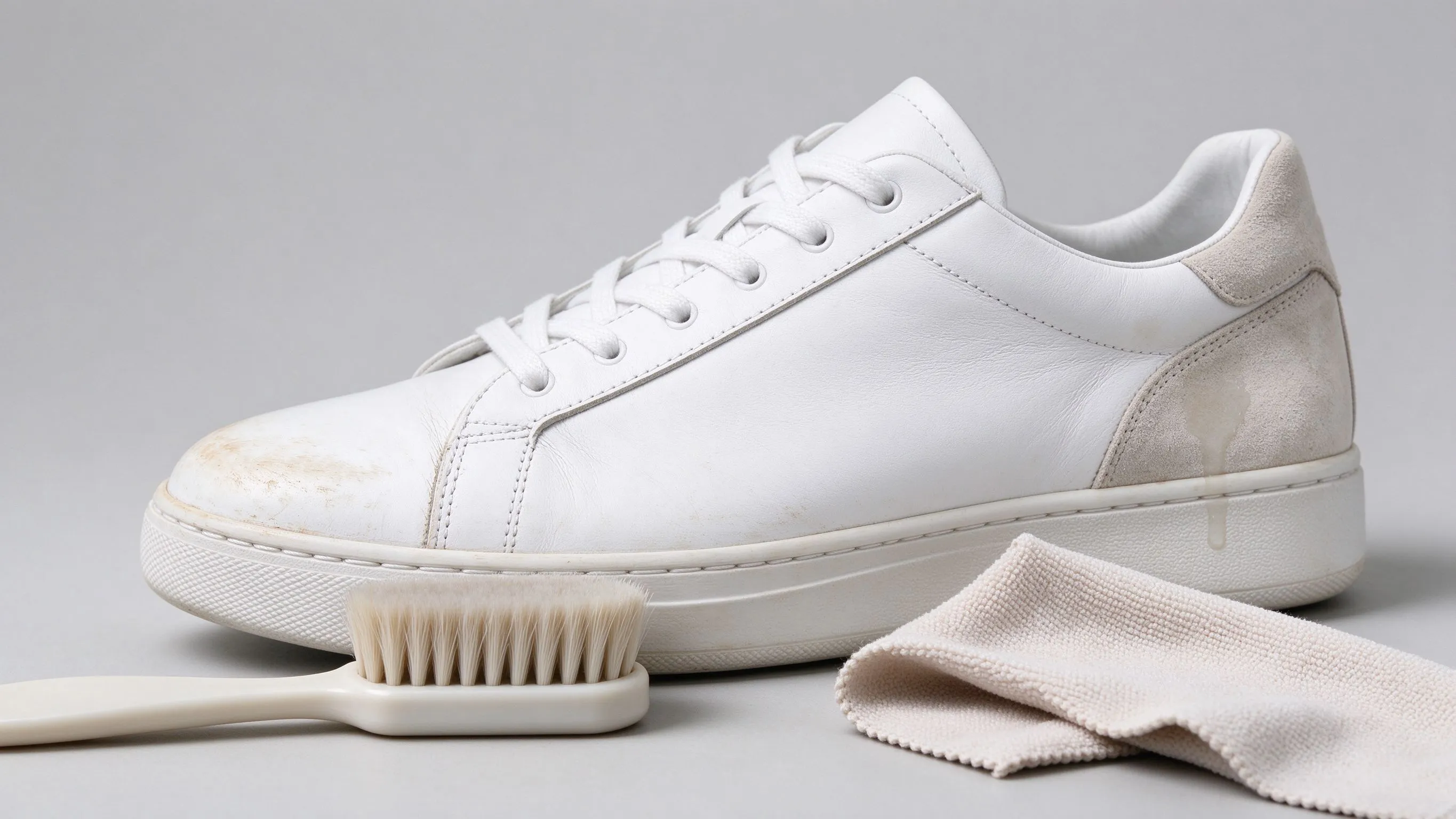
Overview. This article looks at the four problems that show up on almost every pair of worn sneakers — scuffed toe caps, yellowing midsoles, odours in the lining and water marks on suede — and explains how far a sneaker care kit starter pack can go on each one. It separates what the starter pack solves easily from what needs a little extra patience, and it tells you when a problem has moved beyond home care. By the end you should know what to reach for first the next time one of these four shows up.
Four Problems, One Starter Pack
Most sneaker care questions come down to the same four issues, and a starter pack was designed around them. The table below summarises each problem, what causes it, and what the starter pack does about it.
| Problem | Why It Happens | What to Do With the Starter Pack |
|---|---|---|
| Scuffed toe caps | Leather panels rubbing against curbs and steps | Clean the mark, dry, then condition the panel |
| Yellowed midsoles | Dirt and sun working into white rubber | Regular cleaning, air drying away from direct sun |
| Odours in the lining | Sweat trapped in damp fabric | Air out after each wear, brush the lining, neutralise |
| Water marks on suede | Moisture drying unevenly on the nap | Let dry fully, then lift the mark with a suede brush |
Scuffed Toe Caps and Heel Tabs
Leather panels take the first hit of everyday wear, and scuffs are the most visible result. The starter pack handles the routine version: clean the mark with a damp cloth, let it dry, and condition the panel so it stays flexible. Deep gouges or cracked leather are a different matter — those have moved past cleaning into repair, and a professional is the right call. For the scuffs that show up on a normal week, clean and condition is enough.
Yellowing Midsoles and White Rubber
White midsoles dull for two reasons: dirt that never fully comes off, and sun exposure that works into the rubber. The starter pack’s regular clean keeps the dirt from building, and drying away from direct sunlight slows the second cause. There is no overnight fix for old yellowing, but a consistent routine — clean, dry in the shade, protect — keeps white rubber looking fresh longer. If a pair has yellowed badly, that is age, not neglect, and the kit’s job is to slow it down from here.
Odours and Moisture Inside
The lining absorbs sweat, and trapped moisture is where smells start. The starter pack helps in two ways: air the sneakers after every wear, and wipe the lining with a dry cloth so it does not stay damp. A gentle neutralising step on the inner fabric is part of some starter packs and keeps the fresh feeling between wears. Wet sneakers should never go straight into a closed cupboard — the trapped moisture is the fast way to a permanent smell. Give the lining the same dry airing you give the upper, and most odour problems never arrive.
Scuffs on Canvas and Mesh (Not Just Leather)
Scuffs are not a leather problem only. Canvas and mesh pick up scuff marks too — usually lighter lines from walls, desks and chair legs rather than the dark rubs leather shows. These lift more easily: a soft brush over the mark, a little cleaner worked in gently, and a dry cloth to finish. If a mark has set for a while, let the cleaner sit a moment before wiping. Fabric scuffs rarely need more than patience, and they are the quickest win of the four problems.
Creasing and Keeping the Shape
Creases are not a cleaning problem, but how you dry and store the sneaker decides how deep they become. Drying a wet sneaker without anything inside lets the upper collapse and sets deep creases into the fabric and panels. Stuffing the sneaker with paper or leaving it on a shoe tree while it dries keeps the shape, and the same habit between wears keeps the creases shallow. The starter pack cannot remove creases, but it works with the storage habit to stop new ones from settling in.
Water Marks on Suede and Nubuck
Water marks are the one problem where the starter pack steps aside. When moisture dries unevenly on the nap, it leaves a ring, and scrubbing with a wet cleaner makes it worse. The right response is patience: let the sneaker dry fully, then lift the mark gently with a suede brush. If you own suede, add a suede brush to the starter pack — it is the single item that turns this problem from a panic into a quick job.
When a Problem Is Bigger Than the Kit
Home care handles the surface, and that is where a starter pack lives. It does not handle a torn seam, a separated sole, deep cuts through the upper or hardware that has pulled out. Those need a repair shop, and a well-cared-for sneaker is worth the visit. The simple test: if cleaning does not change the problem, the problem is structural, not dirty. A scuff that will not lift, a smell that survives a full dry and airing, or a sole that rocks when it sits on the floor are all repair signals, and catching them early keeps a favourite pair wearable.
A Simple Prevention Routine
Most of the four problems shrink to a fraction with a prevention habit. Brush off loose dirt after every wear so grit never gets worked in. Air the sneakers away from the cupboard so the lining dries. Keep white rubber out of long direct sun so it does not yellow. And treat suede with a protector before it ever meets a rainy day. The starter pack supports all four of these with the tools already in the pouch — the habit does the rest, and the problems have less to work with.
Yinghuameng’s sneaker care starter packs are put together around these four everyday problems — cleaner for scuffs and yellowing, a cloth for moisture, and care guidance that keeps suede and leather in the right lane (yhmshoecare.com). The suede brush and conditioner are offered separately, so the pack solves what it is built to solve and points you to the right addition when you need it.
Frequently Asked Questions
- Can the starter pack fix a scuffed leather toe cap?It cleans the mark and conditions the panel for normal scuffs. Deep gouges or cracked leather need a professional.
- How do I stop white midsoles from yellowing?Clean regularly and air dry away from direct sunlight. Protection also helps; the yellowing from sun is the part you can slow.
- Why do my sneakers smell even when they look clean?The lining holds sweat and moisture. Air them after each wear, wipe the lining dry, and neutralise the inner fabric between cleans.
- Can I fix water marks on suede with the cleaner?No. Water-based cleaner makes suede marks worse. Dry fully, then lift the nap with a suede brush.
- How do I remove a scuff from the rubber sole?A damp cloth and the cleaner handle most rubber scuffs. Keep the sole clean and the marks stay light.
- Is the yellowing permanent once it starts?Old yellowing is hard to reverse, but regular cleaning and shade drying stop it from spreading and keep new pairs fresh.
- What should I do with wet sneakers?Stuff them to hold the shape, air dry away from heat, and keep them out of the cupboard until the lining is fully dry.
- Do I need a special product for the lining?Airing and dry wiping cover most needs; a neutralising step helps when the smell is persistent.
- When should I see a repair shop?When cleaning does not change the problem — torn seams, separated soles or deep cuts are repair work, not cleaning work.
- What is the first thing to add to the starter pack?A suede brush if you own suede, a conditioner if you own leather panels. Those two additions cover almost every gap.
Editor’s Note. This article describes general sneaker care practice and product categories; it contains no performance claims or numerical data. Materials, wear patterns and local conditions vary, so test every product on a small hidden area first, follow label instructions, and consult a professional for valuable or limited-edition sneakers.
Previous: No more data
Contact Us
Tel: +86 510 8659 6258
Address: No.3 Beihuan Road, Yuecheng Town, Jiangyin, Jiangsu Province, China.

Copyright © 2026 Jiangyin Yinghuameng Houseware Co., Ltd.