
SEARCH WHAT YOU WANT
What a Leather Boot Care Kit Must Have That Dress Shoe Kits Usually Skip
Time:2026-10-29
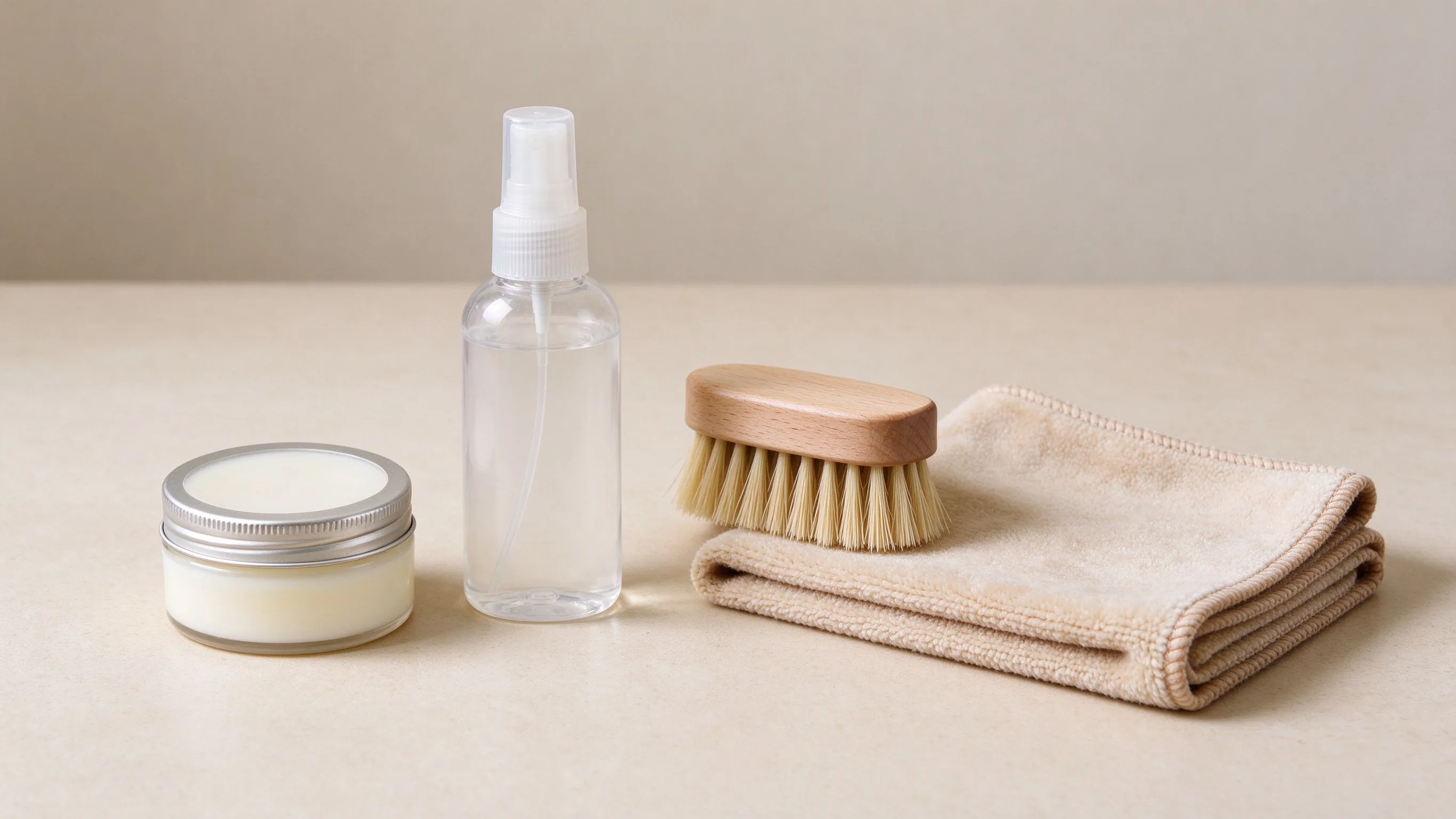
Overview. This article lists the items that a leather boot care kit should include, which are often missing from standard shoe care kits designed for dress shoes. It explains why each extra item exists, how often it is used, and whether you really need it for the boots you own. By the end you should be able to look at a boot care box and tell whether it is a real boot kit or just a dress shoe kit with a taller picture on the lid.
The Extra Items Boots Actually Need
Most shoe care kits are designed around dress shoes: a cream, a brush, a cloth. Boots add three problems those kits do not address — thicker leather, wet conditions, and the soles and edges that take a beating. A boot kit that is honest about this includes a few extra items that a dress shoe kit simply does not need. The table below maps the extras to the jobs they do.
|
Extra Item |
What It Fixes |
Why Dress Shoe Kits Skip It |
|
Conditioning cream |
Thick, dry boot leather |
Dress leather is thinner and needs less oil |
|
Protector spray |
Rain, salt, wet ground |
Dress shoes are worn mostly indoors |
|
Edge dressing |
Scuffed sole edges and heels |
Dress shoe soles are rarely scuffed visibly |
|
Firm cleaning brush |
Dried mud and grit |
Dress shoes meet mostly clean floors |
Conditioning Cream, Not Just Polish
Boot leather is thick and built to flex, and thick leather dries out faster than thin dress leather. A boot kit should lead with a conditioning cream that carries oils and waxes, rather than a polish that is mostly pigment. Think of it as feeding the leather first, colouring it second. If the kit only contains coloured polish with no cream base, the boots will look good for a week and start cracking by the end of the season.
A Water and Stain Protector
This is the single most common missing item. Boots are worn outside, in rain and on wet ground, and polish alone does not make leather waterproof. A protector spray applied to clean, dry leather adds a barrier that beads water and prevents salt marks. It goes on before the polish, not after, and needs to be reapplied as the season changes.
Edge Dressing for Soles and Heels
The edge of a leather sole and the heel lift are the parts of a boot that scuff most visibly, and no amount of upper polish fixes them. A small bottle of edge dressing in black or brown covers scuffs on the sole edge and keeps the boot looking finished. It is a ten-second job that dramatically changes how a worn boot looks, and it is almost never included in dress shoe kits.
A Stiffer Brush for Dried Mud
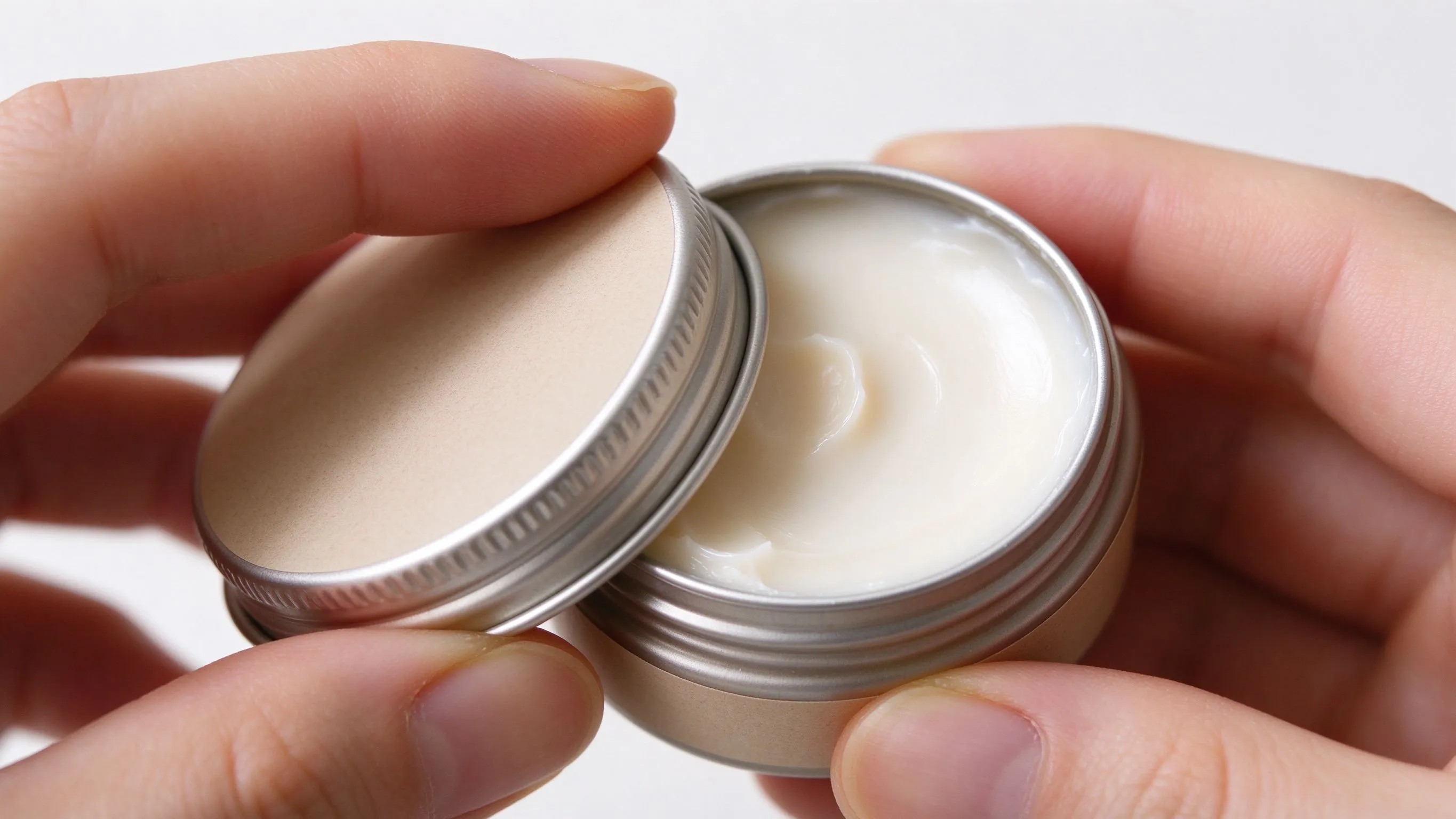
A soft dress shoe brush will not move dried mud. A boot kit should include a brush with medium-firm bristles that can lift mud and road grit without scratching. The buffing cloth remains soft — that part does not change — but the applicator and cleaning brush needs to be tougher.
A Boot Jack or Tree? Optional
Shoe trees are as useful in boots as they are in dress shoes, but boot-sized trees are larger and often optional. For everyday care, a sheet of newspaper stuffed inside after a wet walk does the same job of absorbing moisture and holding the shape. A boot jack — a small tool that helps pull boots off — is a convenience, not a care essential.
Yinghuameng’s boot care kits put the essentials together: conditioning cream, a firm cleaning brush, a soft buffing cloth, and a protector spray, with edge dressing as an optional add-on, so nothing in the box is there just to fill space (yhmshoecare.com).
What You Can Skip
· Mirror shine wax — boots do not need a glassy toe.
· Multiple colour polishes — neutral cream covers most boot shades.
· Suede brushes — unless you actually own suede boots.
· Fancy storage boxes — a dry drawer is enough.
Building a Boot Kit on a Budget
You do not need a boxed set to have a proper boot kit. Start with the two items that matter most: a conditioning cream and a firm brush. Add a protector spray before the wet season. Edge dressing is cheap and stays on the shelf until you need it. The buffing cloth can be an old cotton t-shirt until you buy a proper one. What you should not skimp on is the cream itself — a cheap, thin product that just sits on the surface does nothing for thick boot leather, and you end up buying it twice a year.
When to Replace Boot Care Products
Boot polish lasts a long time, but not forever. A cream that has separated into oil and solids, or a wax tin that has turned hard and crumbly, is past its best. Protector sprays lose their effectiveness after a couple of seasons, even if there is still liquid in the can. Brushes last for years, but when the bristles go limp or start shedding, replace them. A cloth can be washed many times, but once it feels stiff and waxy it stops buffing properly. Replacing these items is cheaper than replacing a pair of cracked boots. If you notice a product looking tired partway through the season, do not wait — a fresh cream absorbs better than an old separated one, and the boot feels the difference in a single application. Keep a note in your drawer of when you opened each tin — most creams last well over a year, and a quick check prevents a dried-out surprise in the middle of boot season.
How Often to Go Through the Full Boot Routine
Boots worn through autumn and winter need more care than dress shoes because they meet worse conditions. A full routine — dry brush, wipe salt if needed, thin cream, buff — every few weeks is enough for a pair worn a few times a week. In between, a quick brush after each walk removes grit before it scratches. The protector spray goes on at the start of wet season, not weekly. Edge dressing is touched up once or twice a season, when the sole edges start to look scuffed. Most people either over-care — polishing every night until wax builds up — or under-care — never opening the kit at all. The middle rhythm is what keeps boots looking good for years.
Frequently Asked Questions
Q1: Is a protector spray really necessary for boots?
If you wear them in rain or snow, yes. It is the single most useful extra a boot kit can include.
Q2: What is edge dressing used for?
It colours the edge of leather soles and heel lifts, covering scuffs that upper polish cannot reach.
Q3: Can I use regular shoe cream on boots?
Yes, but a richer conditioning cream is better for thick boot leather. A thin dress cream feeds less.
Q4: Do I need a separate brush for boots?
A firmer brush helps with mud, but the same buffing cloth works on both boots and dress shoes.
Q5: How often do I reapply protector spray?
At the start of wet season, and again after a deep clean. A light monthly top-up during heavy rain is enough.
Q6: Can I use a suede brush on smooth leather boots?
No. Suede brushes are for nap; on smooth leather they do not lift product and can scratch.
Q7: Do work boots need a different kit?
The same extras apply — conditioning cream, firm brush, protector. Heavier boots may just need a little more cream.
Q8: Is edge dressing permanent?
No, it wears off and can be reapplied. It dries quickly and stays on the edge, not the upper.
Q9: Can I skip the protector if my boots are already treated?
Factory treatment fades over time. Reapplying at the start of wet season keeps the protection working.
Q10: What is the most important extra in a boot kit?
The protector spray. It prevents more damage than any polish can later repair.
Editor’s Note. This article describes general boot care practice and product categories; it contains no performance claims, rankings or numerical data. Leather types vary, so test products on an unseen area first, follow label instructions, and consult a professional cobbler for valuable or heavily worn boots.
Overview. This article lists the items that a leather boot care kit should include, which are often missing from standard shoe care kits designed for dress shoes. It explains why each extra item exists, how often it is used, and whether you really need it for the boots you own. By the end you should be able to look at a boot care box and tell whether it is a real boot kit or just a dress shoe kit with a taller picture on the lid.
The Extra Items Boots Actually Need
Most shoe care kits are designed around dress shoes: a cream, a brush, a cloth. Boots add three problems those kits do not address — thicker leather, wet conditions, and the soles and edges that take a beating. A boot kit that is honest about this includes a few extra items that a dress shoe kit simply does not need. The table below maps the extras to the jobs they do.
|
Extra Item |
What It Fixes |
Why Dress Shoe Kits Skip It |
|
Conditioning cream |
Thick, dry boot leather |
Dress leather is thinner and needs less oil |
|
Protector spray |
Rain, salt, wet ground |
Dress shoes are worn mostly indoors |
|
Edge dressing |
Scuffed sole edges and heels |
Dress shoe soles are rarely scuffed visibly |
|
Firm cleaning brush |
Dried mud and grit |
Dress shoes meet mostly clean floors |
Conditioning Cream, Not Just Polish
Boot leather is thick and built to flex, and thick leather dries out faster than thin dress leather. A boot kit should lead with a conditioning cream that carries oils and waxes, rather than a polish that is mostly pigment. Think of it as feeding the leather first, colouring it second. If the kit only contains coloured polish with no cream base, the boots will look good for a week and start cracking by the end of the season.
A Water and Stain Protector
This is the single most common missing item. Boots are worn outside, in rain and on wet ground, and polish alone does not make leather waterproof. A protector spray applied to clean, dry leather adds a barrier that beads water and prevents salt marks. It goes on before the polish, not after, and needs to be reapplied as the season changes.
Edge Dressing for Soles and Heels
The edge of a leather sole and the heel lift are the parts of a boot that scuff most visibly, and no amount of upper polish fixes them. A small bottle of edge dressing in black or brown covers scuffs on the sole edge and keeps the boot looking finished. It is a ten-second job that dramatically changes how a worn boot looks, and it is almost never included in dress shoe kits.
A Stiffer Brush for Dried Mud
A soft dress shoe brush will not move dried mud. A boot kit should include a brush with medium-firm bristles that can lift mud and road grit without scratching. The buffing cloth remains soft — that part does not change — but the applicator and cleaning brush needs to be tougher.
A Boot Jack or Tree? Optional
Shoe trees are as useful in boots as they are in dress shoes, but boot-sized trees are larger and often optional. For everyday care, a sheet of newspaper stuffed inside after a wet walk does the same job of absorbing moisture and holding the shape. A boot jack — a small tool that helps pull boots off — is a convenience, not a care essential.
Yinghuameng’s boot care kits put the essentials together: conditioning cream, a firm cleaning brush, a soft buffing cloth, and a protector spray, with edge dressing as an optional add-on, so nothing in the box is there just to fill space (yhmshoecare.com).
What You Can Skip
· Mirror shine wax — boots do not need a glassy toe.
· Multiple colour polishes — neutral cream covers most boot shades.
· Suede brushes — unless you actually own suede boots.
· Fancy storage boxes — a dry drawer is enough.
Building a Boot Kit on a Budget
You do not need a boxed set to have a proper boot kit. Start with the two items that matter most: a conditioning cream and a firm brush. Add a protector spray before the wet season. Edge dressing is cheap and stays on the shelf until you need it. The buffing cloth can be an old cotton t-shirt until you buy a proper one. What you should not skimp on is the cream itself — a cheap, thin product that just sits on the surface does nothing for thick boot leather, and you end up buying it twice a year.
When to Replace Boot Care Products
Boot polish lasts a long time, but not forever. A cream that has separated into oil and solids, or a wax tin that has turned hard and crumbly, is past its best. Protector sprays lose their effectiveness after a couple of seasons, even if there is still liquid in the can. Brushes last for years, but when the bristles go limp or start shedding, replace them. A cloth can be washed many times, but once it feels stiff and waxy it stops buffing properly. Replacing these items is cheaper than replacing a pair of cracked boots. If you notice a product looking tired partway through the season, do not wait — a fresh cream absorbs better than an old separated one, and the boot feels the difference in a single application. Keep a note in your drawer of when you opened each tin — most creams last well over a year, and a quick check prevents a dried-out surprise in the middle of boot season.
How Often to Go Through the Full Boot Routine
Boots worn through autumn and winter need more care than dress shoes because they meet worse conditions. A full routine — dry brush, wipe salt if needed, thin cream, buff — every few weeks is enough for a pair worn a few times a week. In between, a quick brush after each walk removes grit before it scratches. The protector spray goes on at the start of wet season, not weekly. Edge dressing is touched up once or twice a season, when the sole edges start to look scuffed. Most people either over-care — polishing every night until wax builds up — or under-care — never opening the kit at all. The middle rhythm is what keeps boots looking good for years.
Frequently Asked Questions
Q1: Is a protector spray really necessary for boots?
If you wear them in rain or snow, yes. It is the single most useful extra a boot kit can include.
Q2: What is edge dressing used for?
It colours the edge of leather soles and heel lifts, covering scuffs that upper polish cannot reach.
Q3: Can I use regular shoe cream on boots?
Yes, but a richer conditioning cream is better for thick boot leather. A thin dress cream feeds less.
Q4: Do I need a separate brush for boots?
A firmer brush helps with mud, but the same buffing cloth works on both boots and dress shoes.
Q5: How often do I reapply protector spray?
At the start of wet season, and again after a deep clean. A light monthly top-up during heavy rain is enough.
Q6: Can I use a suede brush on smooth leather boots?
No. Suede brushes are for nap; on smooth leather they do not lift product and can scratch.
Q7: Do work boots need a different kit?
The same extras apply — conditioning cream, firm brush, protector. Heavier boots may just need a little more cream.
Q8: Is edge dressing permanent?
No, it wears off and can be reapplied. It dries quickly and stays on the edge, not the upper.
Q9: Can I skip the protector if my boots are already treated?
Factory treatment fades over time. Reapplying at the start of wet season keeps the protection working.
Q10: What is the most important extra in a boot kit?
The protector spray. It prevents more damage than any polish can later repair.
Editor’s Note. This article describes general boot care practice and product categories; it contains no performance claims, rankings or numerical data. Leather types vary, so test products on an unseen area first, follow label instructions, and consult a professional cobbler for valuable or heavily worn boots.
Contact Us
Tel: +86 510 8659 6258
Address: No.3 Beihuan Road, Yuecheng Town, Jiangyin, Jiangsu Province, China.

Copyright © 2026 Jiangyin Yinghuameng Houseware Co., Ltd.