
SEARCH WHAT YOU WANT
Polishing Too Often or Too Little: How to Find the Right Balance for Leather Shoes
Time:2026-10-20
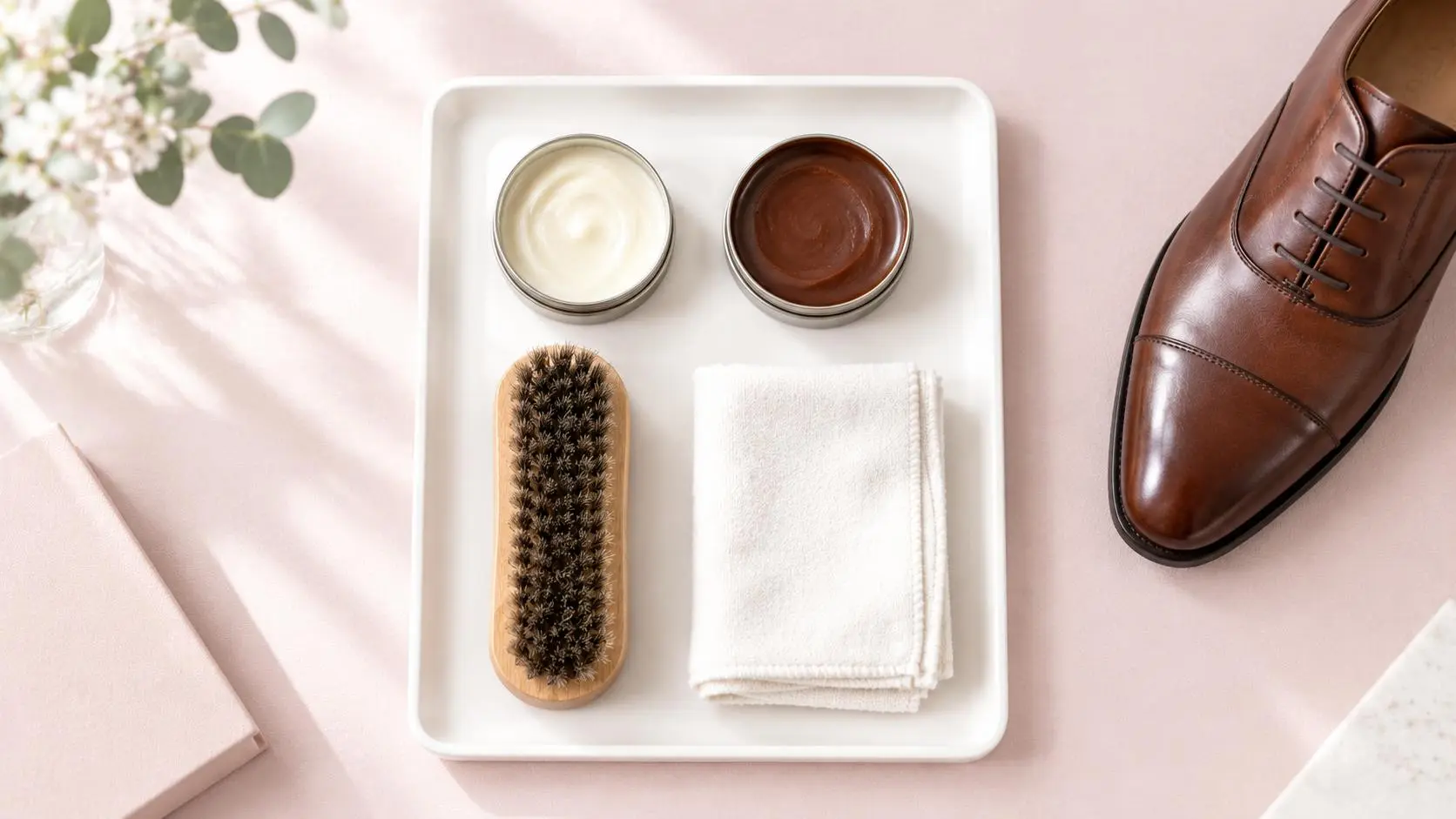
This article looks at leather shoe polishing from the two failure directions: polishing too often and polishing too little. It explains what goes wrong at each extreme, then builds a balanced, layered care rhythm that most owners can follow without overthinking. The core idea is a division of labour: daily wiping, a light conditioning layer, and a deeper polish only when the leather asks for it. A comparison table shows what each level of care actually does, and a FAQ covers the questions that come up when people try to find the balance. The closing note reminds you to judge by the shoe, not by a fixed routine.
Yinghuameng in one line: a professional shoe care brand offering cream and wax polishes in classic dress shoe shades, plus horsehair brushes and buffing cloths, so light care and conditioning are covered from one place (yhmshoecare.com).
What Goes Wrong When You Polish Too Often
Most owners assume more polish is better care, but the opposite can be true.
- Wax builds up. Each wax layer sits on the leather, and layers added before the previous ones are fully buffed form a cloudy film instead of a shine.
- The finish dulls. Thick build-up stops light from reflecting evenly, which is why over-polished shoes can look greasy rather than glossy.
- Creases crack. Heavy product in the flexing areas, like the vamp, hardens and cracks as the shoe moves.
- Colour tints unevenly. Repeated coloured polish deepens some areas faster than others, leaving a patchy tone.
Polishing on a fixed weekly ritual regardless of the shoe's condition is the usual cause. The fix is not to stop polishing; it is to match the product and the frequency to what the leather actually needs.
What Goes Wrong When You Polish Too Little
The other extreme is just as damaging, in a slower way.
- Leather dries out. Without conditioning, the leather loses its natural oils, becomes stiff and eventually cracks at the creases.
- Colour fades unevenly. Sun and wear strip colour from the toes and heels first, so an under-polished shoe looks faded in patches.
- Scuffs become permanent. Small scuffs buffed out early disappear; scuffs left for weeks grind into the finish.
- Water damage spreads. Unpolished leather has no protective layer, so rain spots soak in and stain.
Under-care is the quieter problem because the damage takes months to show. A shoe can look acceptable for a long time and then suddenly develop cracks that no polish can repair.
The Balanced, Layered Rhythm
The balance is not a single frequency; it is a division of labour between quick care and deep care.
| Care Level | What You Do | How Often | What It Protects Against |
|---|---|---|---|
| Wipe and brush | Remove dust and spots after wear | After each wear | Grit scratches and surface marks |
| Condition | Thin cream layer on the leather | Weekly to fortnightly | Dryness and cracking |
| Colour refresh | Matching coloured cream if faded | As needed, monthly or less | Faded, patchy colour |
| Shine and protect | Wax on toes and heels | Monthly or before events | Scuffs and dull finish |
- Wiping is the daily safety net. It is not polishing, but it is the single most effective habit for keeping polish intervals longer.
- Conditioning is the health layer. The thin cream layer is what actually feeds the leather, and its rhythm depends on wear and season.
- Colour and shine are the finishing layers. They are needed less often and only when the shoe shows a reason: faded colour, scuffs or a special occasion.
How to Tell the Balance Is Right
A balanced routine produces a predictable set of signs:
- The leather looks even in colour, without pale patches or a cloudy film.
- The shoes flex without visible cracking at the vamp.
- Toes and heels hold a shine that returns after a quick buff.
- A light cream layer is absorbed rather than sitting on the surface.
- The shoes stay presentable between full polish sessions without looking neglected.
If any of these signs is missing, adjust one level rather than changing everything: add a wipe habit, extend or shorten the conditioning interval, or switch between cream and wax.
When to Let the Shoe Decide
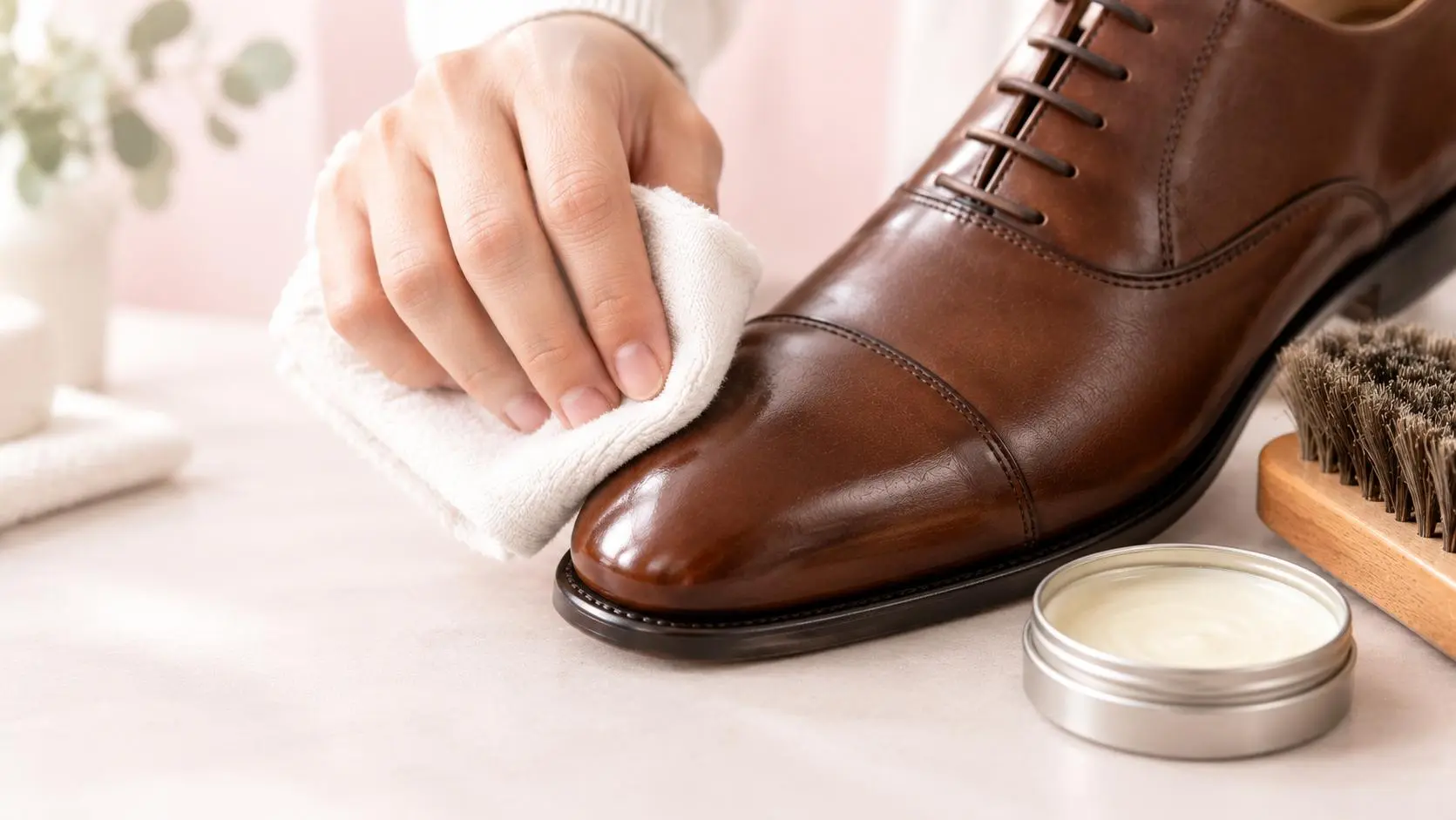
Routine gives structure, but the leather is the final judge. Let the shoe override the schedule in these cases:
- After heavy rain or snow, condition a little sooner than planned to replace lost moisture.
- In very dry or very hot weather, shorten the conditioning interval; in mild weather, lengthen it.
- After an event, a light wax touch-up on the toes may be all that is needed, not a full polish.
- For shoes worn rarely, check the leather every month even without a full polish, so dryness is caught early.
For a balanced kit that supports all four care levels, Yinghuameng offers cream and wax polishes in the common dress shoe shades, plus horsehair brushes and buffing cloths, so the daily wipe and the monthly shine come from the same product family (yhmshoecare.com).
Finding the Rhythm for Different Types of Leather
The balanced rhythm above is written for smooth calf leather, which is the most common upper on dress shoes. Other leathers need a slightly different balance.
| Leather Type | Balanced Rhythm | The Extreme to Avoid |
|---|---|---|
| Smooth calf leather | Wipe daily, cream weekly to fortnightly, wax monthly | Both over- and under-care |
| Corodvan and dense polished leather | Wipe daily, cream and wax less often | Over-polishing, build-up |
| Patent leather | Wipe, do not polish | Any cream or wax |
| Suede and nubuck | Brush and protect, never polish | Cream and wax on the nap |
| Pebbled or textured leather | Cream only, no heavy wax | Wax filling the grain |
Corodvan is dense and smooth, so it takes product slowly and rewards lighter, less frequent application; the risk is build-up, not dryness. Patent leather is glossy by construction and is wiped rather than polished, and suede and nubuck should never receive cream or wax at all, because the product flattens and darkens the nap. Matching the rhythm to the leather is the difference between a shoe that looks cared for and one that looks overworked.
Building the Habit Without the Guilt
Most people do not fail at polishing because they lack products; they fail because the routine feels like a chore. Three small habits make the balance sustainable:
- Keep the wipe within reach. A brush and cloth next to where you take shoes off turns the daily step into a reflex.
- Anchor the cream layer to a visible event. Linking conditioning to a fortnightly calendar note or a monthly routine makes it harder to forget.
- Let the shoe speak. If the leather looks healthy, extending the interval is fine; if it looks dry, shorten it. The routine serves the shoe, not the other way around.
A sustainable routine beats an ambitious one. A twice-monthly cream layer that actually happens protects leather better than a weekly plan that gets abandoned after a month, and the wipe habit alone prevents most of the damage that polish is meant to repair.
Frequently Asked Questions
1. Is it bad to polish leather shoes every day?
Polishing with cream or wax every day is usually more than the leather needs and can build up product. Daily wiping and brushing, however, are exactly right.
2. How can I tell if I am over-polishing?
Cloudy finish, greasy look, or cracking at the vamp are the common signs. Ease off, buff the surface and let the leather breathe.
3. What happens if I never polish my leather shoes?
The leather dries out, fades and scuffs permanently. The damage is slow but hard to reverse, which is why light conditioning matters even for rarely worn shoes.
4. Is wiping the same as polishing?
No. Wiping removes dust and marks; polishing applies product to nourish, colour and shine. Both have their place at different frequencies, and care kits such as Yinghuameng's pair the two with a brush and a buffing cloth.
5. How do I know if my leather needs conditioning?
Dry, pale, stiff leather with fine lines around the toe and vamp is asking for cream. If the leather still feels supple and even, the interval can wait.
6. Can too much wax damage my shoes?
Yes. Heavy wax build-up dulls the finish and can crack where the shoe flexes. Use thin layers and limit wax to the toes and heels.
7. Does over-polishing affect the colour?
Repeated coloured polish can tint some areas faster than others, creating uneven colour. Neutral products and thin layers reduce this risk.
8. What is the fastest way to fix an over-polished shoe?
Buff the surface with a clean cloth to remove the cloudy layer, then reapply a thin cream and finish with light buffing. Avoid adding more wax immediately.
9. Should I condition shoes I only wear to events?
Yes, lightly. Rarely worn shoes still dry out, so a thin cream every month or two keeps them ready for the next event.
10. How do I build a routine I can actually keep?
Start with the wipe habit after wear, then add a cream layer on a simple interval such as every two weeks. Add wax only when the shoe needs it or before occasions.
Editor's Note
This article describes general leather shoe care practice and product categories; it contains no performance claims or numerical data. Results depend on the leather, the products you choose and local conditions. Always follow the instructions on the products you buy, test new products on a small, unseen area first, and consult a professional shoe repairer for valuable or delicate footwear.
This article looks at leather shoe polishing from the two failure directions: polishing too often and polishing too little. It explains what goes wrong at each extreme, then builds a balanced, layered care rhythm that most owners can follow without overthinking. The core idea is a division of labour: daily wiping, a light conditioning layer, and a deeper polish only when the leather asks for it. A comparison table shows what each level of care actually does, and a FAQ covers the questions that come up when people try to find the balance. The closing note reminds you to judge by the shoe, not by a fixed routine.
Yinghuameng in one line: a professional shoe care brand offering cream and wax polishes in classic dress shoe shades, plus horsehair brushes and buffing cloths, so light care and conditioning are covered from one place (yhmshoecare.com).
What Goes Wrong When You Polish Too Often
Most owners assume more polish is better care, but the opposite can be true.
- Wax builds up. Each wax layer sits on the leather, and layers added before the previous ones are fully buffed form a cloudy film instead of a shine.
- The finish dulls. Thick build-up stops light from reflecting evenly, which is why over-polished shoes can look greasy rather than glossy.
- Creases crack. Heavy product in the flexing areas, like the vamp, hardens and cracks as the shoe moves.
- Colour tints unevenly. Repeated coloured polish deepens some areas faster than others, leaving a patchy tone.
Polishing on a fixed weekly ritual regardless of the shoe's condition is the usual cause. The fix is not to stop polishing; it is to match the product and the frequency to what the leather actually needs.
What Goes Wrong When You Polish Too Little
The other extreme is just as damaging, in a slower way.
- Leather dries out. Without conditioning, the leather loses its natural oils, becomes stiff and eventually cracks at the creases.
- Colour fades unevenly. Sun and wear strip colour from the toes and heels first, so an under-polished shoe looks faded in patches.
- Scuffs become permanent. Small scuffs buffed out early disappear; scuffs left for weeks grind into the finish.
- Water damage spreads. Unpolished leather has no protective layer, so rain spots soak in and stain.
Under-care is the quieter problem because the damage takes months to show. A shoe can look acceptable for a long time and then suddenly develop cracks that no polish can repair.
The Balanced, Layered Rhythm
The balance is not a single frequency; it is a division of labour between quick care and deep care.
| Care Level | What You Do | How Often | What It Protects Against |
|---|---|---|---|
| Wipe and brush | Remove dust and spots after wear | After each wear | Grit scratches and surface marks |
| Condition | Thin cream layer on the leather | Weekly to fortnightly | Dryness and cracking |
| Colour refresh | Matching coloured cream if faded | As needed, monthly or less | Faded, patchy colour |
| Shine and protect | Wax on toes and heels | Monthly or before events | Scuffs and dull finish |
- Wiping is the daily safety net. It is not polishing, but it is the single most effective habit for keeping polish intervals longer.
- Conditioning is the health layer. The thin cream layer is what actually feeds the leather, and its rhythm depends on wear and season.
- Colour and shine are the finishing layers. They are needed less often and only when the shoe shows a reason: faded colour, scuffs or a special occasion.
How to Tell the Balance Is Right
A balanced routine produces a predictable set of signs:
- The leather looks even in colour, without pale patches or a cloudy film.
- The shoes flex without visible cracking at the vamp.
- Toes and heels hold a shine that returns after a quick buff.
- A light cream layer is absorbed rather than sitting on the surface.
- The shoes stay presentable between full polish sessions without looking neglected.
If any of these signs is missing, adjust one level rather than changing everything: add a wipe habit, extend or shorten the conditioning interval, or switch between cream and wax.
When to Let the Shoe Decide
Routine gives structure, but the leather is the final judge. Let the shoe override the schedule in these cases:
- After heavy rain or snow, condition a little sooner than planned to replace lost moisture.
- In very dry or very hot weather, shorten the conditioning interval; in mild weather, lengthen it.
- After an event, a light wax touch-up on the toes may be all that is needed, not a full polish.
- For shoes worn rarely, check the leather every month even without a full polish, so dryness is caught early.
For a balanced kit that supports all four care levels, Yinghuameng offers cream and wax polishes in the common dress shoe shades, plus horsehair brushes and buffing cloths, so the daily wipe and the monthly shine come from the same product family (yhmshoecare.com).
Finding the Rhythm for Different Types of Leather
The balanced rhythm above is written for smooth calf leather, which is the most common upper on dress shoes. Other leathers need a slightly different balance.
| Leather Type | Balanced Rhythm | The Extreme to Avoid |
|---|---|---|
| Smooth calf leather | Wipe daily, cream weekly to fortnightly, wax monthly | Both over- and under-care |
| Corodvan and dense polished leather | Wipe daily, cream and wax less often | Over-polishing, build-up |
| Patent leather | Wipe, do not polish | Any cream or wax |
| Suede and nubuck | Brush and protect, never polish | Cream and wax on the nap |
| Pebbled or textured leather | Cream only, no heavy wax | Wax filling the grain |
Corodvan is dense and smooth, so it takes product slowly and rewards lighter, less frequent application; the risk is build-up, not dryness. Patent leather is glossy by construction and is wiped rather than polished, and suede and nubuck should never receive cream or wax at all, because the product flattens and darkens the nap. Matching the rhythm to the leather is the difference between a shoe that looks cared for and one that looks overworked.
Building the Habit Without the Guilt
Most people do not fail at polishing because they lack products; they fail because the routine feels like a chore. Three small habits make the balance sustainable:
- Keep the wipe within reach. A brush and cloth next to where you take shoes off turns the daily step into a reflex.
- Anchor the cream layer to a visible event. Linking conditioning to a fortnightly calendar note or a monthly routine makes it harder to forget.
- Let the shoe speak. If the leather looks healthy, extending the interval is fine; if it looks dry, shorten it. The routine serves the shoe, not the other way around.
A sustainable routine beats an ambitious one. A twice-monthly cream layer that actually happens protects leather better than a weekly plan that gets abandoned after a month, and the wipe habit alone prevents most of the damage that polish is meant to repair.
Frequently Asked Questions
1. Is it bad to polish leather shoes every day?
Polishing with cream or wax every day is usually more than the leather needs and can build up product. Daily wiping and brushing, however, are exactly right.
2. How can I tell if I am over-polishing?
Cloudy finish, greasy look, or cracking at the vamp are the common signs. Ease off, buff the surface and let the leather breathe.
3. What happens if I never polish my leather shoes?
The leather dries out, fades and scuffs permanently. The damage is slow but hard to reverse, which is why light conditioning matters even for rarely worn shoes.
4. Is wiping the same as polishing?
No. Wiping removes dust and marks; polishing applies product to nourish, colour and shine. Both have their place at different frequencies, and care kits such as Yinghuameng's pair the two with a brush and a buffing cloth.
5. How do I know if my leather needs conditioning?
Dry, pale, stiff leather with fine lines around the toe and vamp is asking for cream. If the leather still feels supple and even, the interval can wait.
6. Can too much wax damage my shoes?
Yes. Heavy wax build-up dulls the finish and can crack where the shoe flexes. Use thin layers and limit wax to the toes and heels.
7. Does over-polishing affect the colour?
Repeated coloured polish can tint some areas faster than others, creating uneven colour. Neutral products and thin layers reduce this risk.
8. What is the fastest way to fix an over-polished shoe?
Buff the surface with a clean cloth to remove the cloudy layer, then reapply a thin cream and finish with light buffing. Avoid adding more wax immediately.
9. Should I condition shoes I only wear to events?
Yes, lightly. Rarely worn shoes still dry out, so a thin cream every month or two keeps them ready for the next event.
10. How do I build a routine I can actually keep?
Start with the wipe habit after wear, then add a cream layer on a simple interval such as every two weeks. Add wax only when the shoe needs it or before occasions.
Editor's Note
This article describes general leather shoe care practice and product categories; it contains no performance claims or numerical data. Results depend on the leather, the products you choose and local conditions. Always follow the instructions on the products you buy, test new products on a small, unseen area first, and consult a professional shoe repairer for valuable or delicate footwear.
Contact Us
Tel: +86 510 8659 6258
Address: No.3 Beihuan Road, Yuecheng Town, Jiangyin, Jiangsu Province, China.

Copyright © 2026 Jiangyin Yinghuameng Houseware Co., Ltd.