
SEARCH WHAT YOU WANT
How to Choose the Right Shoe Polish for Brown Leather Boots: Colour Matching and Formula Guide
Time:2026-10-20
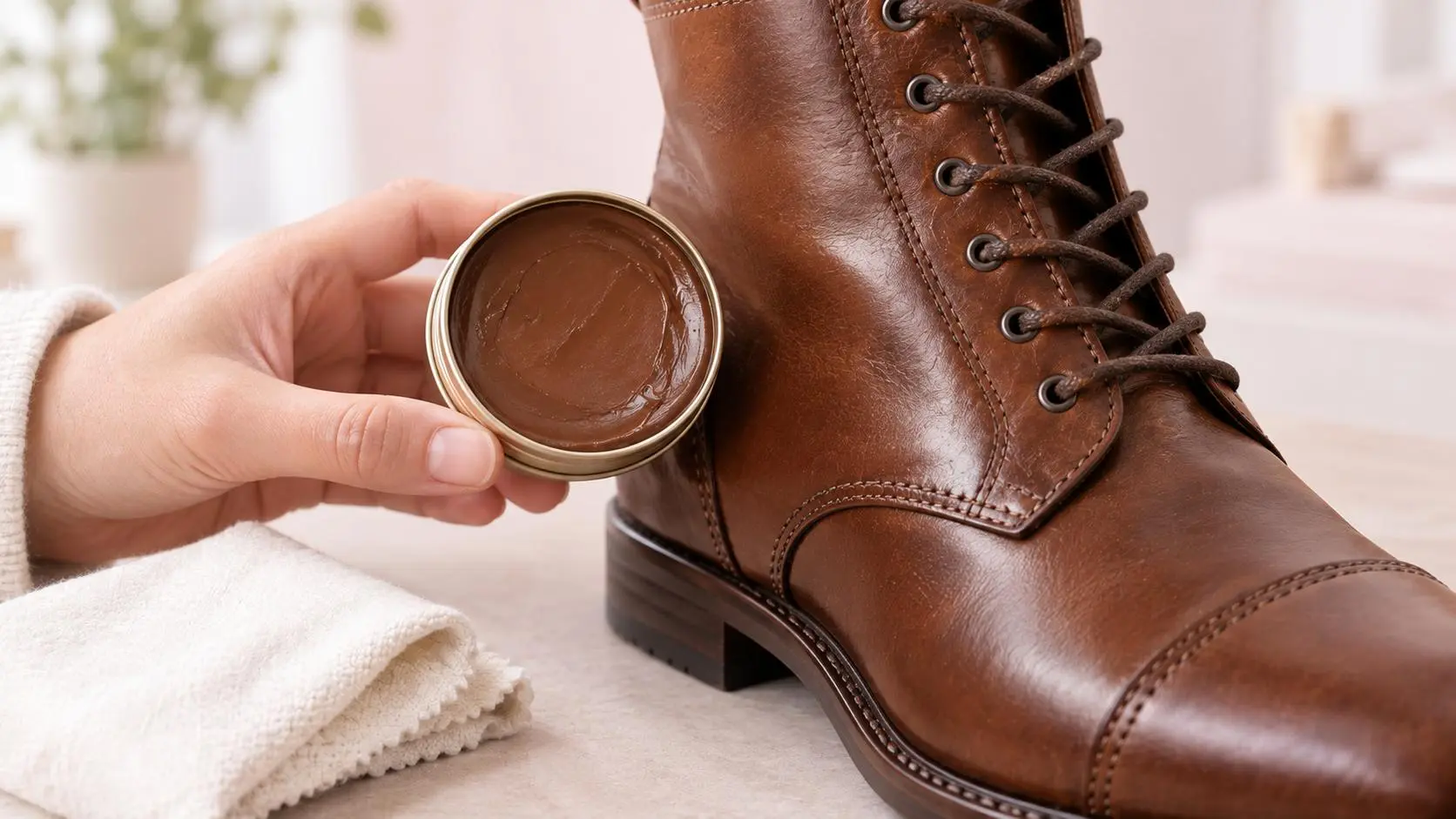
Overview. This article explains how to choose the right shoe polish for brown leather boots. Brown is a family of shades rather than one colour, so the first decision is matching the polish to your boot's tone, and the second is choosing between cream, wax, liquid and conditioner. The article walks through both decisions, shows which formula suits which kind of boot, and lists the mistakes that make brown boots look blotchy or too dark. Comparison tables summarise the colour rules and the formula differences, and a numbered FAQ answers the questions owners ask before they buy. The closing note reminds you to test any new product on a hidden area first.
Why Brown Is Different
Black polish can hide a lot of sins; brown polish cannot. A black boot accepts most black products without a visible seam, but a brown boot sits somewhere between light tan and deep chestnut, and the wrong shade shows immediately as a patchy, darker or muddy block. Choosing polish for brown boots is therefore two separate questions: which brown is this boot, and which formula does this leather need?
Getting both right matters more than brand. A carefully matched neutral or slightly lighter cream keeps the boot's natural tone, while a mismatched dark wax can turn a tan boot brown overnight.
The Colour-Matching Rule
The safest method is to compare the polish tin to the boot in daylight, and to match the lightest visible area of the upper rather than the creases, which are naturally darker.
| Boot Tone | What It Looks Like | Polish Choice |
|---|---|---|
| Light tan and honey | Pale golden brown, warm | Light brown cream, or neutral |
| Medium brown | Standard rich brown | Matching medium brown cream |
| Dark brown and chestnut | Deep reddish-brown | Dark brown cream, thin layers |
| Neutral (when unsure) | Preserves the existing tone | Neutral cream or wax |
Two practical rules follow. First, when you are between two shades, choose the lighter one and build in thin layers, because polish darkens as it sits. Second, use neutral when you only want to nourish and shine without changing the tone at all; neutral is the safest starting point for a boot whose exact shade you cannot identify.
Cream, Wax, Liquid or Conditioner?
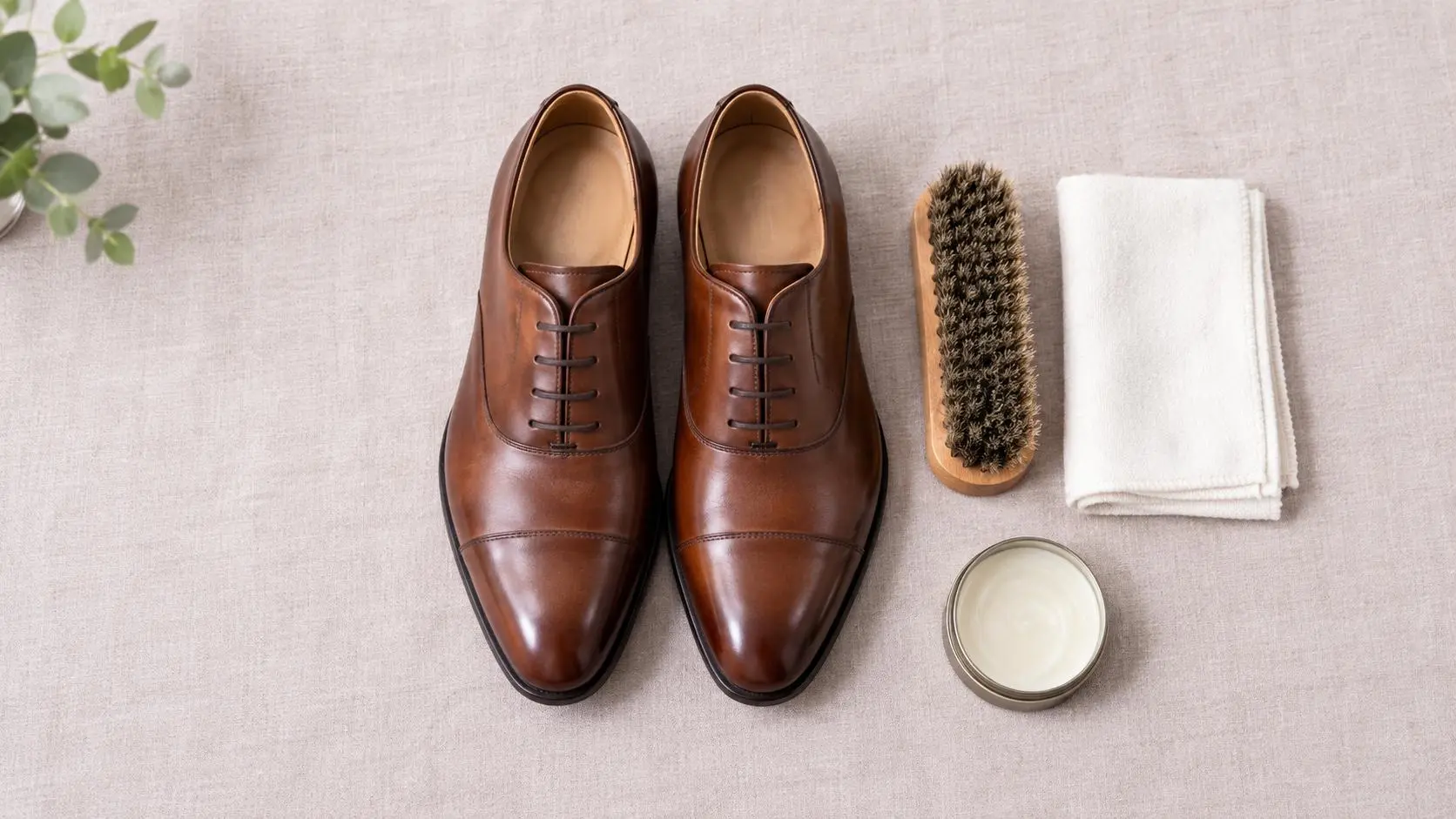
The colour is matched, but the formula decides what the polish actually does.
| Formula | Main Job | Best For | Watch Out |
|---|---|---|---|
| Cream | Nourishes and colours in one step | Regular care on most brown boots | Can darken if layered heavily |
| Wax | Shine and a protective surface | Toes, heels and dressier boots | Builds up and can look cloudy |
| Liquid | Quick colour touch-up | Fast fixes and hard-to-reach seams | Thinner protection, easier to overdo |
| Conditioner | Moisture, no colour | Dry leather between polishes | Not a colour product |
For most brown boots, a matching cream is the backbone of care, with a wax layer on the toes and heels when you want a visible shine. Liquid polish is convenient but easiest to over-apply, which is exactly how brown boots develop dark patches. Conditioner is not a polish and should not replace colour care.
Matching the Polish to the Boot
The boot's style and its job also guide the choice.
| Boot Type | Recommended Approach |
|---|---|
| Chelsea boots | Cream for the upper, light wax for the elastic-adjacent toe area |
| Work boots | Heavy-duty cream and conditioner, wax for scuffs |
| Desert boots and suede | Never cream or wax; dedicated brush and protector |
| Lace-up dress boots | Full routine: cream, then wax on toe and heel |
| Hiking-style leather boots | Conditioner first, cream second, light wax |
Suede desert boots are the most common mistake: they look like leather but must never receive cream or wax, because the product flattens and darkens the nap. For smooth-leather boots, the cream-wax combination covers nearly every style, with the balance shifting by how much shine and scuff protection you need.
What to Avoid
Three mistakes cause most of the complaints about brown boots:
- Using a random dark wax because "brown is brown". It is not; the result is a boot that looks dirty rather than polished.
- Layering cream too thickly. Brown polish darkens as it builds, and thick layers turn into greasy patches.
- Skipping the test area. A new tin on a hidden part of the boot, the inside of the shaft, prevents a full-shoe surprise.
One more habit helps: keep a note of the shade you used. Brown boots fade and get repolished over years, and knowing the exact shade you matched last time saves a repeat of the guessing game. When the tin runs out, the recorded shade is the reference for the replacement, and it also tells you whether the boot's tone has drifted lighter or darker with age.
For a colour-matched start, Yinghuameng offers brown cream and wax polishes in the common boot shades together with horsehair brushes and buffing cloths, so the match and the tools come from one place (yhmshoecare.com).
How the Boot Is Worn Changes the Choice
The same brown boot serves very different owners, and the polish choice should follow the way the boot is actually worn.
- Daily city wear puts the upper under constant flexing and dust, so a nourishing cream on a steady rhythm matters more than shine.
- Outdoor and muddy use asks for a tougher cream and a wax barrier on the toe and heel, plus more frequent cleaning before polishing.
- Rainy-season wear makes waterproofing a partner to the polish; colour care and protection work together rather than one replacing the other.
- Occasional wear needs less polish overall, but the boots still need conditioning so they do not dry out between events.
Matching the formula to the wear pattern prevents both extremes: a boot that is under-nourished because the routine was designed for occasional wear, or over-waxed because the routine was designed for heavy shine.
How to Read a Polish Tin
Labels look similar, but a few words change what the tin does to brown leather.
| Label Wording | What It Usually Means | Brown Boot Implication |
|---|---|---|
| Cream polish | Conditioner and colour combined | The everyday choice |
| Wax polish | Shine and surface protection | Reserve for toes and heels |
| Paste / wax-based | Higher wax content | Stronger shine, more build-up |
| Neutral | No added colour | Safe, but no colour refresh |
| Conditioner only | Moisture, no colour | Use between colour sessions |
Reading the label first saves the most common brown-boot mistake: buying a high-wax paste when what the leather needed was a nourishing cream, then wondering why the boot looks shiny but dry.
A Simple Selection Checklist
When you stand in front of a shelf of polishes, four questions narrow the choice quickly:
- What shade is the boot? Match the lightest visible area, and when in doubt choose neutral or one shade lighter.
- What does the leather need? Nourishment points to cream, shine and scuff protection point to wax, moisture alone points to conditioner.
- How is the boot worn? Daily wear favours cream, muddy and rainy wear adds a waterproofing partner, occasional wear needs less of everything.
- Have I tested it? A new tin should be tried on the inside of the shaft before it touches the visible upper.
Answering the four questions takes less than a minute and prevents the two biggest brown-boot failures: the wrong shade and the wrong formula for the wear pattern. With the shade matched and the formula chosen, the rest is rhythm: clean, condition, protect, and let the boot tell you when the next layer is due.
Frequently Asked Questions
Q1: Can I use black polish on brown boots?
No. Black polish will permanently darken and stain brown leather. Use a brown or neutral product matched to the boot.
Q2: What happens if my polish is darker than my boots?
The boots will look muddy and patchy. Thin the effect by buffing thoroughly, or remove the layer with a mild cleaner and start again with a lighter shade.
Q3: Should I use cream or wax on brown boots?
Use cream for nourishment and colour, and wax for shine and scuff protection on the toes and heels. Most boots benefit from both at different times.
Q4: Is neutral polish a safe choice for brown boots?
Yes. Neutral nourishes and shines without changing the tone, and is the safest choice when you are unsure of the exact shade.
Q5: Why did my brown boots turn darker after polishing?
Thick layers, a mismatched dark shade, or polish left to sit too long before buffing. Thin layers and prompt buffing prevent the darkening.
Q6: Can I polish suede brown boots with cream?
No. Suede and nubuck take a dedicated brush and protector, never cream or wax.
Q7: How do I match polish to my boots in a shop?
Hold the tin next to the boot in daylight and compare with the lightest visible area of the upper, not the creases.
Q8: Does liquid polish damage brown leather?
Not by itself, but it is easy to over-apply, which causes dark patches. Use it sparingly and only for quick touch-ups.
Q9: What should I do if I used the wrong shade?
Buff thoroughly first. If the darkening remains, clean the boot with a dedicated leather cleaner and re-polish with a lighter shade.
Q10: How often should I colour-polish brown boots?
As often as the leather looks dry or faded, typically every few weeks for regularly worn boots, with neutral conditioning in between.
Editor's Note. This article describes general leather care practice and product categories; it contains no performance claims or numerical data. Results depend on the leather, the products you choose and how the boots are worn. Always follow the instructions on the products you buy, test new products on a small, unseen area first, and consult a professional shoe repairer for valuable or delicate footwear.
Overview. This article explains how to choose the right shoe polish for brown leather boots. Brown is a family of shades rather than one colour, so the first decision is matching the polish to your boot's tone, and the second is choosing between cream, wax, liquid and conditioner. The article walks through both decisions, shows which formula suits which kind of boot, and lists the mistakes that make brown boots look blotchy or too dark. Comparison tables summarise the colour rules and the formula differences, and a numbered FAQ answers the questions owners ask before they buy. The closing note reminds you to test any new product on a hidden area first.
Why Brown Is Different
Black polish can hide a lot of sins; brown polish cannot. A black boot accepts most black products without a visible seam, but a brown boot sits somewhere between light tan and deep chestnut, and the wrong shade shows immediately as a patchy, darker or muddy block. Choosing polish for brown boots is therefore two separate questions: which brown is this boot, and which formula does this leather need?
Getting both right matters more than brand. A carefully matched neutral or slightly lighter cream keeps the boot's natural tone, while a mismatched dark wax can turn a tan boot brown overnight.
The Colour-Matching Rule
The safest method is to compare the polish tin to the boot in daylight, and to match the lightest visible area of the upper rather than the creases, which are naturally darker.
| Boot Tone | What It Looks Like | Polish Choice |
|---|---|---|
| Light tan and honey | Pale golden brown, warm | Light brown cream, or neutral |
| Medium brown | Standard rich brown | Matching medium brown cream |
| Dark brown and chestnut | Deep reddish-brown | Dark brown cream, thin layers |
| Neutral (when unsure) | Preserves the existing tone | Neutral cream or wax |
Two practical rules follow. First, when you are between two shades, choose the lighter one and build in thin layers, because polish darkens as it sits. Second, use neutral when you only want to nourish and shine without changing the tone at all; neutral is the safest starting point for a boot whose exact shade you cannot identify.
Cream, Wax, Liquid or Conditioner?
The colour is matched, but the formula decides what the polish actually does.
| Formula | Main Job | Best For | Watch Out |
|---|---|---|---|
| Cream | Nourishes and colours in one step | Regular care on most brown boots | Can darken if layered heavily |
| Wax | Shine and a protective surface | Toes, heels and dressier boots | Builds up and can look cloudy |
| Liquid | Quick colour touch-up | Fast fixes and hard-to-reach seams | Thinner protection, easier to overdo |
| Conditioner | Moisture, no colour | Dry leather between polishes | Not a colour product |
For most brown boots, a matching cream is the backbone of care, with a wax layer on the toes and heels when you want a visible shine. Liquid polish is convenient but easiest to over-apply, which is exactly how brown boots develop dark patches. Conditioner is not a polish and should not replace colour care.
Matching the Polish to the Boot
The boot's style and its job also guide the choice.
| Boot Type | Recommended Approach |
|---|---|
| Chelsea boots | Cream for the upper, light wax for the elastic-adjacent toe area |
| Work boots | Heavy-duty cream and conditioner, wax for scuffs |
| Desert boots and suede | Never cream or wax; dedicated brush and protector |
| Lace-up dress boots | Full routine: cream, then wax on toe and heel |
| Hiking-style leather boots | Conditioner first, cream second, light wax |
Suede desert boots are the most common mistake: they look like leather but must never receive cream or wax, because the product flattens and darkens the nap. For smooth-leather boots, the cream-wax combination covers nearly every style, with the balance shifting by how much shine and scuff protection you need.
What to Avoid
Three mistakes cause most of the complaints about brown boots:
- Using a random dark wax because "brown is brown". It is not; the result is a boot that looks dirty rather than polished.
- Layering cream too thickly. Brown polish darkens as it builds, and thick layers turn into greasy patches.
- Skipping the test area. A new tin on a hidden part of the boot, the inside of the shaft, prevents a full-shoe surprise.
One more habit helps: keep a note of the shade you used. Brown boots fade and get repolished over years, and knowing the exact shade you matched last time saves a repeat of the guessing game. When the tin runs out, the recorded shade is the reference for the replacement, and it also tells you whether the boot's tone has drifted lighter or darker with age.
For a colour-matched start, Yinghuameng offers brown cream and wax polishes in the common boot shades together with horsehair brushes and buffing cloths, so the match and the tools come from one place (yhmshoecare.com).
How the Boot Is Worn Changes the Choice
The same brown boot serves very different owners, and the polish choice should follow the way the boot is actually worn.
- Daily city wear puts the upper under constant flexing and dust, so a nourishing cream on a steady rhythm matters more than shine.
- Outdoor and muddy use asks for a tougher cream and a wax barrier on the toe and heel, plus more frequent cleaning before polishing.
- Rainy-season wear makes waterproofing a partner to the polish; colour care and protection work together rather than one replacing the other.
- Occasional wear needs less polish overall, but the boots still need conditioning so they do not dry out between events.
Matching the formula to the wear pattern prevents both extremes: a boot that is under-nourished because the routine was designed for occasional wear, or over-waxed because the routine was designed for heavy shine.
How to Read a Polish Tin
Labels look similar, but a few words change what the tin does to brown leather.
| Label Wording | What It Usually Means | Brown Boot Implication |
|---|---|---|
| Cream polish | Conditioner and colour combined | The everyday choice |
| Wax polish | Shine and surface protection | Reserve for toes and heels |
| Paste / wax-based | Higher wax content | Stronger shine, more build-up |
| Neutral | No added colour | Safe, but no colour refresh |
| Conditioner only | Moisture, no colour | Use between colour sessions |
Reading the label first saves the most common brown-boot mistake: buying a high-wax paste when what the leather needed was a nourishing cream, then wondering why the boot looks shiny but dry.
A Simple Selection Checklist
When you stand in front of a shelf of polishes, four questions narrow the choice quickly:
- What shade is the boot? Match the lightest visible area, and when in doubt choose neutral or one shade lighter.
- What does the leather need? Nourishment points to cream, shine and scuff protection point to wax, moisture alone points to conditioner.
- How is the boot worn? Daily wear favours cream, muddy and rainy wear adds a waterproofing partner, occasional wear needs less of everything.
- Have I tested it? A new tin should be tried on the inside of the shaft before it touches the visible upper.
Answering the four questions takes less than a minute and prevents the two biggest brown-boot failures: the wrong shade and the wrong formula for the wear pattern. With the shade matched and the formula chosen, the rest is rhythm: clean, condition, protect, and let the boot tell you when the next layer is due.
Frequently Asked Questions
Q1: Can I use black polish on brown boots?
No. Black polish will permanently darken and stain brown leather. Use a brown or neutral product matched to the boot.
Q2: What happens if my polish is darker than my boots?
The boots will look muddy and patchy. Thin the effect by buffing thoroughly, or remove the layer with a mild cleaner and start again with a lighter shade.
Q3: Should I use cream or wax on brown boots?
Use cream for nourishment and colour, and wax for shine and scuff protection on the toes and heels. Most boots benefit from both at different times.
Q4: Is neutral polish a safe choice for brown boots?
Yes. Neutral nourishes and shines without changing the tone, and is the safest choice when you are unsure of the exact shade.
Q5: Why did my brown boots turn darker after polishing?
Thick layers, a mismatched dark shade, or polish left to sit too long before buffing. Thin layers and prompt buffing prevent the darkening.
Q6: Can I polish suede brown boots with cream?
No. Suede and nubuck take a dedicated brush and protector, never cream or wax.
Q7: How do I match polish to my boots in a shop?
Hold the tin next to the boot in daylight and compare with the lightest visible area of the upper, not the creases.
Q8: Does liquid polish damage brown leather?
Not by itself, but it is easy to over-apply, which causes dark patches. Use it sparingly and only for quick touch-ups.
Q9: What should I do if I used the wrong shade?
Buff thoroughly first. If the darkening remains, clean the boot with a dedicated leather cleaner and re-polish with a lighter shade.
Q10: How often should I colour-polish brown boots?
As often as the leather looks dry or faded, typically every few weeks for regularly worn boots, with neutral conditioning in between.
Editor's Note. This article describes general leather care practice and product categories; it contains no performance claims or numerical data. Results depend on the leather, the products you choose and how the boots are worn. Always follow the instructions on the products you buy, test new products on a small, unseen area first, and consult a professional shoe repairer for valuable or delicate footwear.
Contact Us
Tel: +86 510 8659 6258
Address: No.3 Beihuan Road, Yuecheng Town, Jiangyin, Jiangsu Province, China.

Copyright © 2026 Jiangyin Yinghuameng Houseware Co., Ltd.