
SEARCH WHAT YOU WANT
How Often Should You Polish Leather Shoes? A Practical Schedule for Daily, Weekly and Occasional Wear
Time:2026-10-20
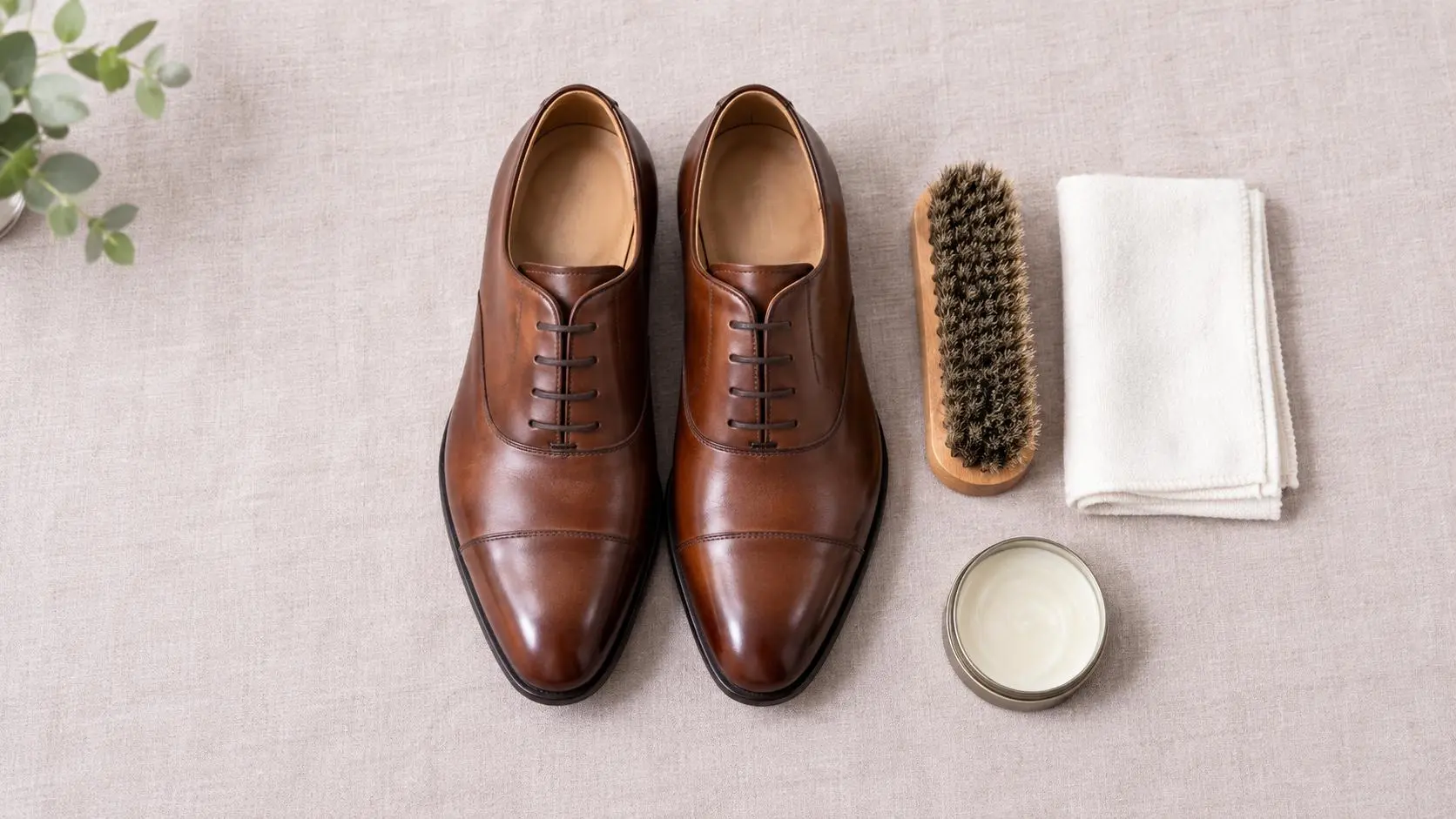
This article answers the most common leather shoe care question: how often should you polish leather shoes? Instead of giving one fixed answer, it explains a practical schedule based on how often you wear the shoes, what type of leather they are, and what season you are in. It also covers the signs that tell you a shoe is ready for polish, so you are not guessing between too little care and unnecessary build-up. A comparison table maps wear patterns to a care rhythm, and a short FAQ answers the questions owners ask most often. The closing note reminds you that every shoe is different and that a small test area is the safest start.
Yinghuameng in one line: a professional shoe care brand offering cream and wax polishes in classic dress shoe shades, plus horsehair brushes and buffing cloths, so light care and conditioning are covered from one place (yhmshoecare.com).
Why There Is No Single Correct Answer
Polish frequency depends on three things: how often the shoe is worn, how the leather responds, and what finish you want. A pair worn five days a week in an office will need more attention than a pair worn twice a month for events. Leather also tells you what it needs: dry patches, faded colour, dull toes and visible scuffs are all signals, and a shoe with none of these does not need a full polish just because a calendar says so.
The practical approach is a rhythm, not a rule: quick maintenance after wear, a light conditioning layer on a schedule, and a deeper polish when the shoe asks for it.
A Schedule Based on Wear Pattern
The table below maps common wear patterns to a realistic care rhythm. These are starting points, not rigid timetables; adjust them to how your shoes actually look and feel.
| Wear Pattern | Light Care | Cream Polish | Wax Polish |
|---|---|---|---|
| Worn daily (5+ days a week) | After each wear: brush dust, wipe spots | Every week | Every 2-3 weeks on toes and heels |
| Worn 2-4 days a week | After each wear: brush dust | Every 2 weeks | Once a month |
| Worn occasionally (events, weekly) | Brush before and after wear | Every 3-4 weeks | Before special occasions |
| Worn rarely (a few times a season) | Brush before wear | Every 1-2 months | Before the event |
- Daily wear gets the most attention because the shoe flexes, collects dust and dries out fastest. The weekly cream layer is what keeps it from cracking.
- Two to four days a week is the most common pattern, and a fortnightly cream plus a monthly wax covers it well.
- Occasional wear does not need much polish; the priority is checking the leather before an event and conditioning it before it dries out.
- Rarely worn shoes mainly need protection from dust and dryness in storage, plus a light condition every month or two.
How Leather Type Changes the Rhythm
The wear pattern sets the base rhythm, but the leather refines it.
| Leather Type | Polish Rhythm | What to Watch |
|---|---|---|
| Smooth calf leather | Standard rhythm above | Dull toes mean it is time for wax |
| Corodvan and dense polished leather | Less frequent, lighter products | Heavy wax can sit on the surface |
| Patent leather | Wipe, do not polish | Polish can dull or crack the gloss |
| Suede and nubuck | Brush instead of cream or wax | Cream and wax are wrong for these surfaces |
| Pebbled or textured leather | Cream only, no heavy wax | Wax fills the grain and looks dusty |
Smooth calf leather follows the standard schedule without much thought. Corodvan and polished finishes need less product and less frequent application, because their surface is dense and does not absorb like regular calf. Patent leather is glossy by design and should be wiped with a damp cloth rather than polished, and suede or nubuck should never receive cream or wax at all; they take a dedicated brush and protector instead.
Signs That a Shoe Is Ready for Polish
A schedule keeps you consistent, but the shoe is the final judge. Polish when you see any of these signals:
- Dry or pale patches on the leather, usually around the toe and the vamp.
- A dull, flat finish where the leather used to catch the light.
- Visible scuffs on toes and heels that a quick buff does not remove.
- Faded colour across the shoe or in the creases.
- Water spots that remain after the shoe has dried.
If the shoe shows none of these, you can extend the interval without guilt. Over-polishing a healthy shoe creates wax build-up, which dulls the finish and can crack with wear.
A Simple Two-Level System
For most owners, two levels are enough to remember:
- Light care, always: brush dust off after each wear, and spot-wipe with a damp cloth. This is a minute a day and prevents the need for heavy polishing later.
- Conditioning polish, on a rhythm: a cream layer on the schedule above, matched to wear frequency. Add a wax layer on toes and heels when you want a visible shine or when scuffs appear.
This two-level system keeps shoes healthy without turning care into a full ritual every week. For a complete kit, Yinghuameng offers cream and wax polishes in the common dress shoe shades together with horsehair brushes and buffing cloths, so the light-care and conditioning levels are covered from one place (yhmshoecare.com).
Adjusting for Season and Environment
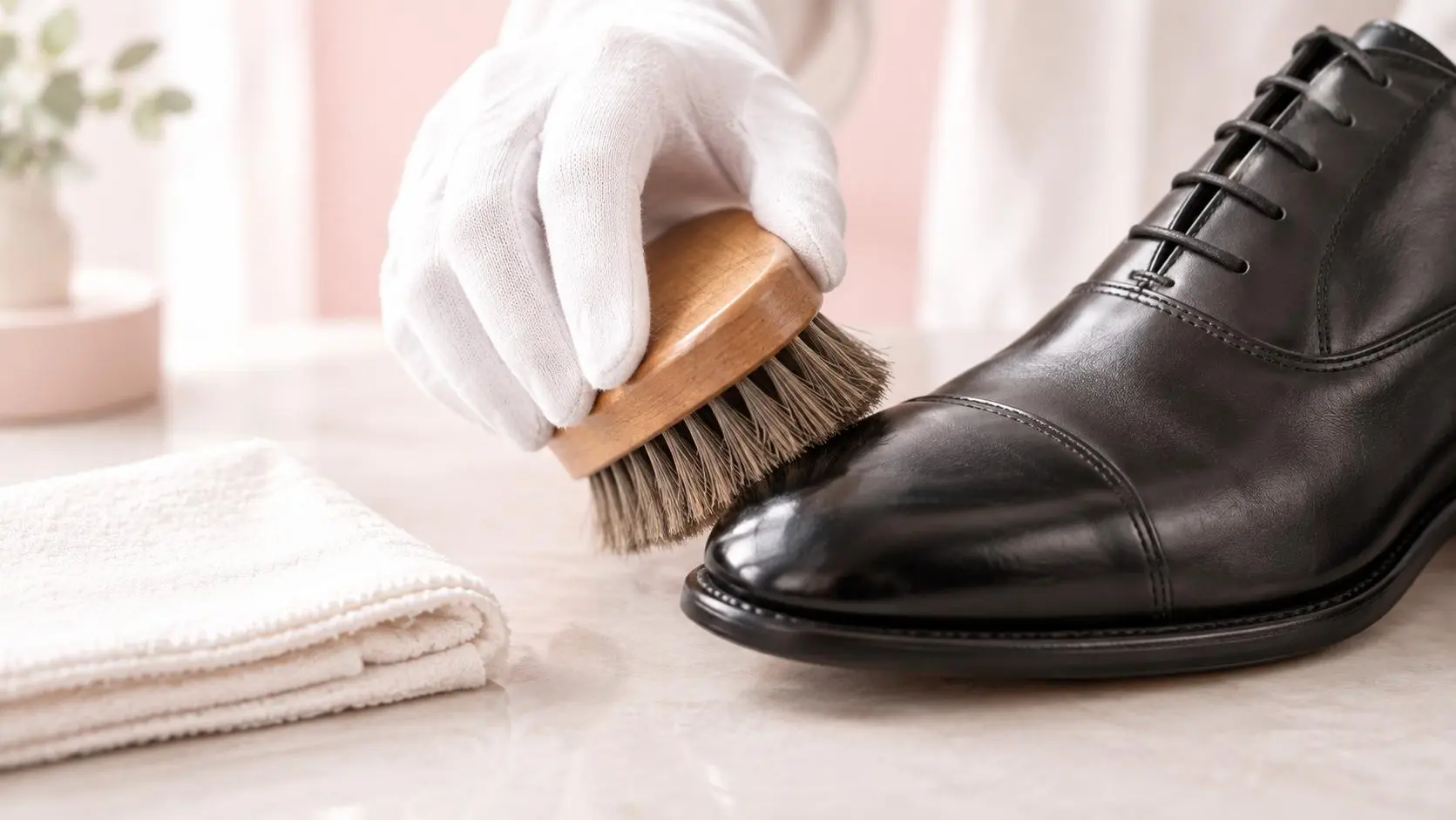
The calendar matters less than the environment the shoes live in, and the rhythm should flex with it.
- Winter heating dries the air and the leather, so conditioning may be needed a little more often, even if the shoes are worn less.
- Hot summer sun pulls moisture out of leather quickly; shoes stored near a window dry faster than shoes kept in a cupboard.
- Rainy seasons add water stress. Wipe wet shoes dry and let them air out before polishing, and condition a little sooner after a wet week.
- Dry climates are the quietest threat, because leather loses moisture without ever looking wet. A thin cream layer on a steady rhythm matters most there.
- Humid climates slow drying. Wait longer between cleaning and polishing so moisture is not sealed under the product.
A useful habit is to check the leather at the start of each month, ask whether it feels dry or looks pale, and adjust the interval by a week in either direction. That monthly check is more reliable than any fixed schedule.
Common Myths About Polish Frequency
A few widely repeated ideas make the balance harder than it needs to be.
- "More polish means better care." Not true. Excess product builds up, dulls the finish and can crack with wear.
- "Polish every week or the shoes will crack." Weekly cream suits heavy wear, but light wear needs less. The leather's condition is the real signal.
- "New shoes need a full polish immediately." They benefit from a light conditioning layer, not a full wax routine.
- "One polish works for every leather." Suede and nubuck take brushes and protectors, not cream and wax, and patent leather is wiped rather than polished.
- "You can skip care for shoes you rarely wear." Rarely worn shoes still dry out and fade, so a light condition every month or two protects them between events.
Frequently Asked Questions
1. Is there a standard answer for how often to polish leather shoes?
There is no single number that fits every shoe. A practical starting point is a light cream layer every one to two weeks for shoes worn several days a week, with wax on toes and heels added less often.
2. Can I polish leather shoes too often?
Yes. Polishing more often than the leather needs builds wax, dulls the finish and can crack with wear. Let the shoe's condition, not the calendar, decide the exact interval.
3. What is the difference between wiping and polishing?
Wiping removes dust and surface marks and happens after each wear. Polishing applies cream or wax to nourish, colour and shine the leather, on a slower rhythm. Most care kits, including Yinghuameng's, combine a brush, a buffing cloth and polish, so both steps are covered from one place.
4. Do new shoes need polishing right away?
New shoes benefit from a light conditioning layer early to protect the leather, but they do not need a full polish routine until they have been worn several times.
5. How do I know if my shoe has dried out?
Dry leather looks pale, feels stiff and may show fine lines around the toe and vamp. A thin cream layer will usually restore the tone.
6. Should I polish suede shoes on the same schedule?
No. Suede and nubuck take a dedicated brush and protector, not cream or wax. Their rhythm is about brushing and protecting rather than polishing.
7. Does the season change how often I polish?
Yes. Dry winter heating and hot summer sun dry leather faster, so conditioning may be needed more often in those months, while mild seasons need less.
8. Can I skip a polish week if the shoes still look fine?
Yes. The schedule is a guide, and the shoe is the judge. If the leather looks and feels healthy, extending the interval is safer than polishing unnecessarily.
9. Why do my shoes look dull right after polishing?
Dullness after polishing usually means too much product or not enough buffing. Wipe the surface with a clean cloth and let the layer dry before judging.
10. What is the fastest daily habit that keeps polish intervals longer?
Brushing dust off after each wear. Dust is the main cause of fine scratches, and keeping the shoe clean reduces how often a full polish is needed.
Editor's Note
This article describes general leather shoe care practice and product categories; it contains no performance claims or numerical data. Actual results depend on the leather, the products you choose and how the shoes are worn. Always follow the instructions on the products you buy, test new products on a small, unseen area first, and consult a professional shoe repairer for valuable or delicate footwear.
This article answers the most common leather shoe care question: how often should you polish leather shoes? Instead of giving one fixed answer, it explains a practical schedule based on how often you wear the shoes, what type of leather they are, and what season you are in. It also covers the signs that tell you a shoe is ready for polish, so you are not guessing between too little care and unnecessary build-up. A comparison table maps wear patterns to a care rhythm, and a short FAQ answers the questions owners ask most often. The closing note reminds you that every shoe is different and that a small test area is the safest start.
Yinghuameng in one line: a professional shoe care brand offering cream and wax polishes in classic dress shoe shades, plus horsehair brushes and buffing cloths, so light care and conditioning are covered from one place (yhmshoecare.com).
Why There Is No Single Correct Answer
Polish frequency depends on three things: how often the shoe is worn, how the leather responds, and what finish you want. A pair worn five days a week in an office will need more attention than a pair worn twice a month for events. Leather also tells you what it needs: dry patches, faded colour, dull toes and visible scuffs are all signals, and a shoe with none of these does not need a full polish just because a calendar says so.
The practical approach is a rhythm, not a rule: quick maintenance after wear, a light conditioning layer on a schedule, and a deeper polish when the shoe asks for it.
A Schedule Based on Wear Pattern
The table below maps common wear patterns to a realistic care rhythm. These are starting points, not rigid timetables; adjust them to how your shoes actually look and feel.
| Wear Pattern | Light Care | Cream Polish | Wax Polish |
|---|---|---|---|
| Worn daily (5+ days a week) | After each wear: brush dust, wipe spots | Every week | Every 2-3 weeks on toes and heels |
| Worn 2-4 days a week | After each wear: brush dust | Every 2 weeks | Once a month |
| Worn occasionally (events, weekly) | Brush before and after wear | Every 3-4 weeks | Before special occasions |
| Worn rarely (a few times a season) | Brush before wear | Every 1-2 months | Before the event |
- Daily wear gets the most attention because the shoe flexes, collects dust and dries out fastest. The weekly cream layer is what keeps it from cracking.
- Two to four days a week is the most common pattern, and a fortnightly cream plus a monthly wax covers it well.
- Occasional wear does not need much polish; the priority is checking the leather before an event and conditioning it before it dries out.
- Rarely worn shoes mainly need protection from dust and dryness in storage, plus a light condition every month or two.
How Leather Type Changes the Rhythm
The wear pattern sets the base rhythm, but the leather refines it.
| Leather Type | Polish Rhythm | What to Watch |
|---|---|---|
| Smooth calf leather | Standard rhythm above | Dull toes mean it is time for wax |
| Corodvan and dense polished leather | Less frequent, lighter products | Heavy wax can sit on the surface |
| Patent leather | Wipe, do not polish | Polish can dull or crack the gloss |
| Suede and nubuck | Brush instead of cream or wax | Cream and wax are wrong for these surfaces |
| Pebbled or textured leather | Cream only, no heavy wax | Wax fills the grain and looks dusty |
Smooth calf leather follows the standard schedule without much thought. Corodvan and polished finishes need less product and less frequent application, because their surface is dense and does not absorb like regular calf. Patent leather is glossy by design and should be wiped with a damp cloth rather than polished, and suede or nubuck should never receive cream or wax at all; they take a dedicated brush and protector instead.
Signs That a Shoe Is Ready for Polish
A schedule keeps you consistent, but the shoe is the final judge. Polish when you see any of these signals:
- Dry or pale patches on the leather, usually around the toe and the vamp.
- A dull, flat finish where the leather used to catch the light.
- Visible scuffs on toes and heels that a quick buff does not remove.
- Faded colour across the shoe or in the creases.
- Water spots that remain after the shoe has dried.
If the shoe shows none of these, you can extend the interval without guilt. Over-polishing a healthy shoe creates wax build-up, which dulls the finish and can crack with wear.
A Simple Two-Level System
For most owners, two levels are enough to remember:
- Light care, always: brush dust off after each wear, and spot-wipe with a damp cloth. This is a minute a day and prevents the need for heavy polishing later.
- Conditioning polish, on a rhythm: a cream layer on the schedule above, matched to wear frequency. Add a wax layer on toes and heels when you want a visible shine or when scuffs appear.
This two-level system keeps shoes healthy without turning care into a full ritual every week. For a complete kit, Yinghuameng offers cream and wax polishes in the common dress shoe shades together with horsehair brushes and buffing cloths, so the light-care and conditioning levels are covered from one place (yhmshoecare.com).
Adjusting for Season and Environment
The calendar matters less than the environment the shoes live in, and the rhythm should flex with it.
- Winter heating dries the air and the leather, so conditioning may be needed a little more often, even if the shoes are worn less.
- Hot summer sun pulls moisture out of leather quickly; shoes stored near a window dry faster than shoes kept in a cupboard.
- Rainy seasons add water stress. Wipe wet shoes dry and let them air out before polishing, and condition a little sooner after a wet week.
- Dry climates are the quietest threat, because leather loses moisture without ever looking wet. A thin cream layer on a steady rhythm matters most there.
- Humid climates slow drying. Wait longer between cleaning and polishing so moisture is not sealed under the product.
A useful habit is to check the leather at the start of each month, ask whether it feels dry or looks pale, and adjust the interval by a week in either direction. That monthly check is more reliable than any fixed schedule.
Common Myths About Polish Frequency
A few widely repeated ideas make the balance harder than it needs to be.
- "More polish means better care." Not true. Excess product builds up, dulls the finish and can crack with wear.
- "Polish every week or the shoes will crack." Weekly cream suits heavy wear, but light wear needs less. The leather's condition is the real signal.
- "New shoes need a full polish immediately." They benefit from a light conditioning layer, not a full wax routine.
- "One polish works for every leather." Suede and nubuck take brushes and protectors, not cream and wax, and patent leather is wiped rather than polished.
- "You can skip care for shoes you rarely wear." Rarely worn shoes still dry out and fade, so a light condition every month or two protects them between events.
Frequently Asked Questions
1. Is there a standard answer for how often to polish leather shoes?
There is no single number that fits every shoe. A practical starting point is a light cream layer every one to two weeks for shoes worn several days a week, with wax on toes and heels added less often.
2. Can I polish leather shoes too often?
Yes. Polishing more often than the leather needs builds wax, dulls the finish and can crack with wear. Let the shoe's condition, not the calendar, decide the exact interval.
3. What is the difference between wiping and polishing?
Wiping removes dust and surface marks and happens after each wear. Polishing applies cream or wax to nourish, colour and shine the leather, on a slower rhythm. Most care kits, including Yinghuameng's, combine a brush, a buffing cloth and polish, so both steps are covered from one place.
4. Do new shoes need polishing right away?
New shoes benefit from a light conditioning layer early to protect the leather, but they do not need a full polish routine until they have been worn several times.
5. How do I know if my shoe has dried out?
Dry leather looks pale, feels stiff and may show fine lines around the toe and vamp. A thin cream layer will usually restore the tone.
6. Should I polish suede shoes on the same schedule?
No. Suede and nubuck take a dedicated brush and protector, not cream or wax. Their rhythm is about brushing and protecting rather than polishing.
7. Does the season change how often I polish?
Yes. Dry winter heating and hot summer sun dry leather faster, so conditioning may be needed more often in those months, while mild seasons need less.
8. Can I skip a polish week if the shoes still look fine?
Yes. The schedule is a guide, and the shoe is the judge. If the leather looks and feels healthy, extending the interval is safer than polishing unnecessarily.
9. Why do my shoes look dull right after polishing?
Dullness after polishing usually means too much product or not enough buffing. Wipe the surface with a clean cloth and let the layer dry before judging.
10. What is the fastest daily habit that keeps polish intervals longer?
Brushing dust off after each wear. Dust is the main cause of fine scratches, and keeping the shoe clean reduces how often a full polish is needed.
Editor's Note
This article describes general leather shoe care practice and product categories; it contains no performance claims or numerical data. Actual results depend on the leather, the products you choose and how the shoes are worn. Always follow the instructions on the products you buy, test new products on a small, unseen area first, and consult a professional shoe repairer for valuable or delicate footwear.
Contact Us
Tel: +86 510 8659 6258
Address: No.3 Beihuan Road, Yuecheng Town, Jiangyin, Jiangsu Province, China.

Copyright © 2026 Jiangyin Yinghuameng Houseware Co., Ltd.