
SEARCH WHAT YOU WANT
Brown Leather Boot Care by Season: When to Polish, Waterproof and Repair
Time:2026-10-20
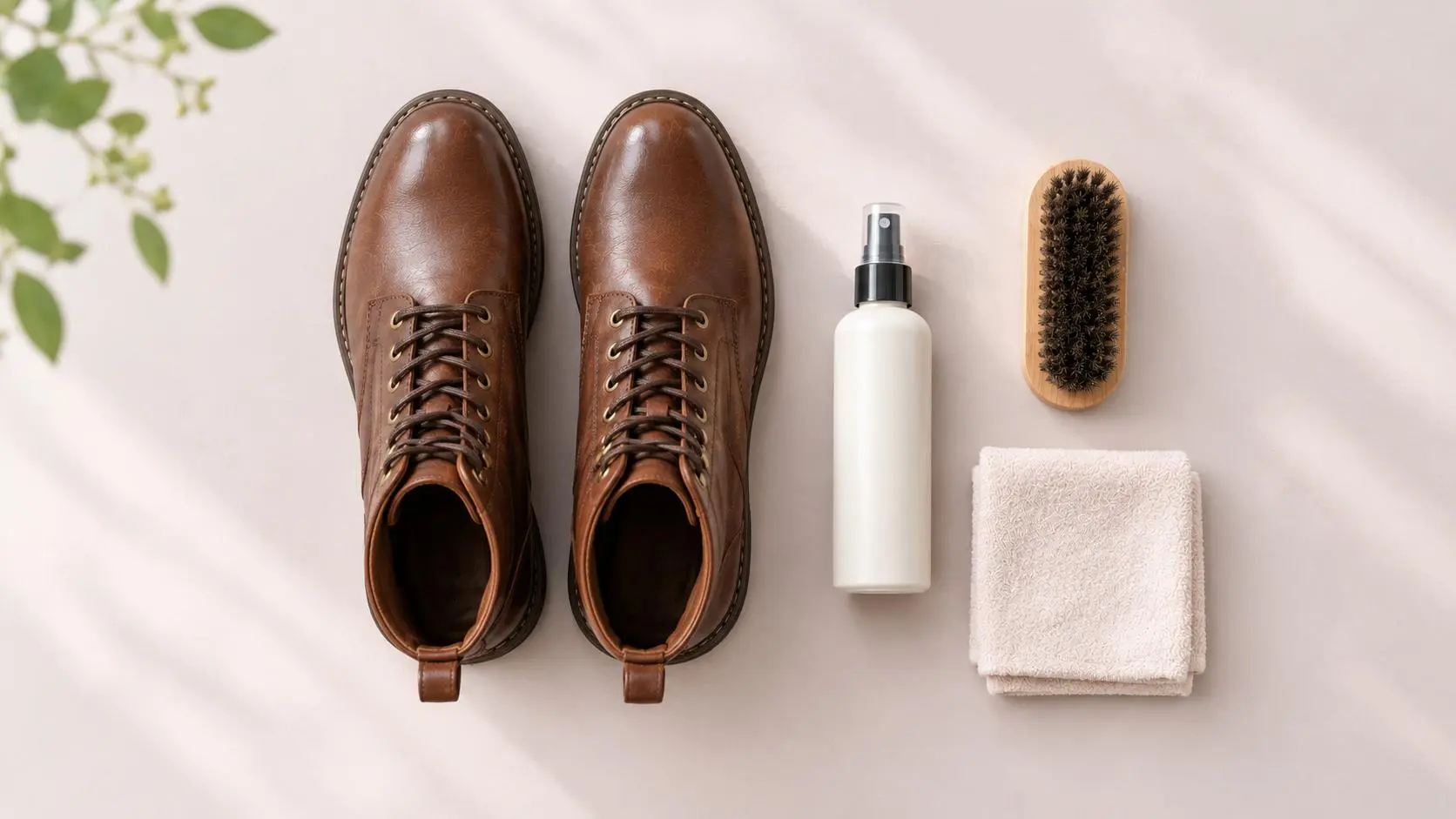
Overview. This article explains how to care for brown leather boots across the seasons, and more importantly, when polishing is the right answer and when it is not. Brown boots face different stress in wet winters, hot summers, muddy springs and mild autumns, and each season asks for a different balance of cleaning, polishing, waterproofing and rest. The article maps each season to a care routine, then lists the situations where polish alone will not fix the problem. Two tables summarise the seasonal rhythm and the repair-versus-polish decisions, and a numbered FAQ answers the common follow-up questions. The closing note reminds you to judge each boot by its own condition.
Why Brown Boots Need a Seasonal Rhythm
Brown leather boots are usually the pair that gets worn in every kind of weather, from winter slush to summer trails, and that variety is what wears them out. A single year-round routine misses the point: the same boot needs moisture and protection in winter, lighter care in summer, and deep cleaning after muddy seasons. Thinking in seasons also explains why a boot can look fine for months and then suddenly crack or stain after one wet week; the damage accumulated quietly while the routine stayed the same.
Spring: Deep Clean After Mud
Spring is recovery time. Mud, salt and winter grime have settled into the leather, so the first warm weeks are for resetting the boots.
| Season | Main Stress | Care Focus |
|---|---|---|
| Spring | Mud and embedded grime | Deep clean, condition, re-waterproof |
| Summer | Heat and dryness | Light care, shade storage, moisture |
| Autumn | Mild wear, changing rain | Maintain polish, check waterproofing |
| Winter | Snow, salt and wet | Clean salt fast, condition and protect |
In spring, brush the boots thoroughly, clean stubborn marks with a dedicated leather cleaner, let them dry fully, then apply a conditioning cream. This is also the best time to renew waterproofing, because a clean surface holds the protector evenly.
Summer: The Quiet Danger
Heat and sun are the least obvious threat to brown boots. They pull moisture out of the leather, fading colour and hardening the surface.
- Keep a light conditioning rhythm, even when the boots are worn less.
- Store the boots away from windows, radiators and car boots.
- Check the colour in daylight; faded brown boots need a matching cream layer before the fading becomes patchy.
- Skip heavy wax in summer; it is unnecessary and traps heat on the surface.
Autumn: Maintain the Rhythm
Autumn is the least dramatic season, which makes it the easiest to skip. Mild wear still flexes the leather, and the first rains test the waterproofing layer from spring.
| Autumn Task | Why It Matters |
|---|---|
| Maintain cream care | Keeps moisture and colour stable |
| Check the waterproofing | A worn layer fails exactly when rain returns |
| Wipe after each wet wear | Prevents spots from soaking in |
| Inspect soles and seams | Catches wear before winter damage |
A light cream layer on the usual rhythm, plus a waterproofing check before the wet months, is most of the autumn job.
Winter: Salt and Slush Are the Enemies
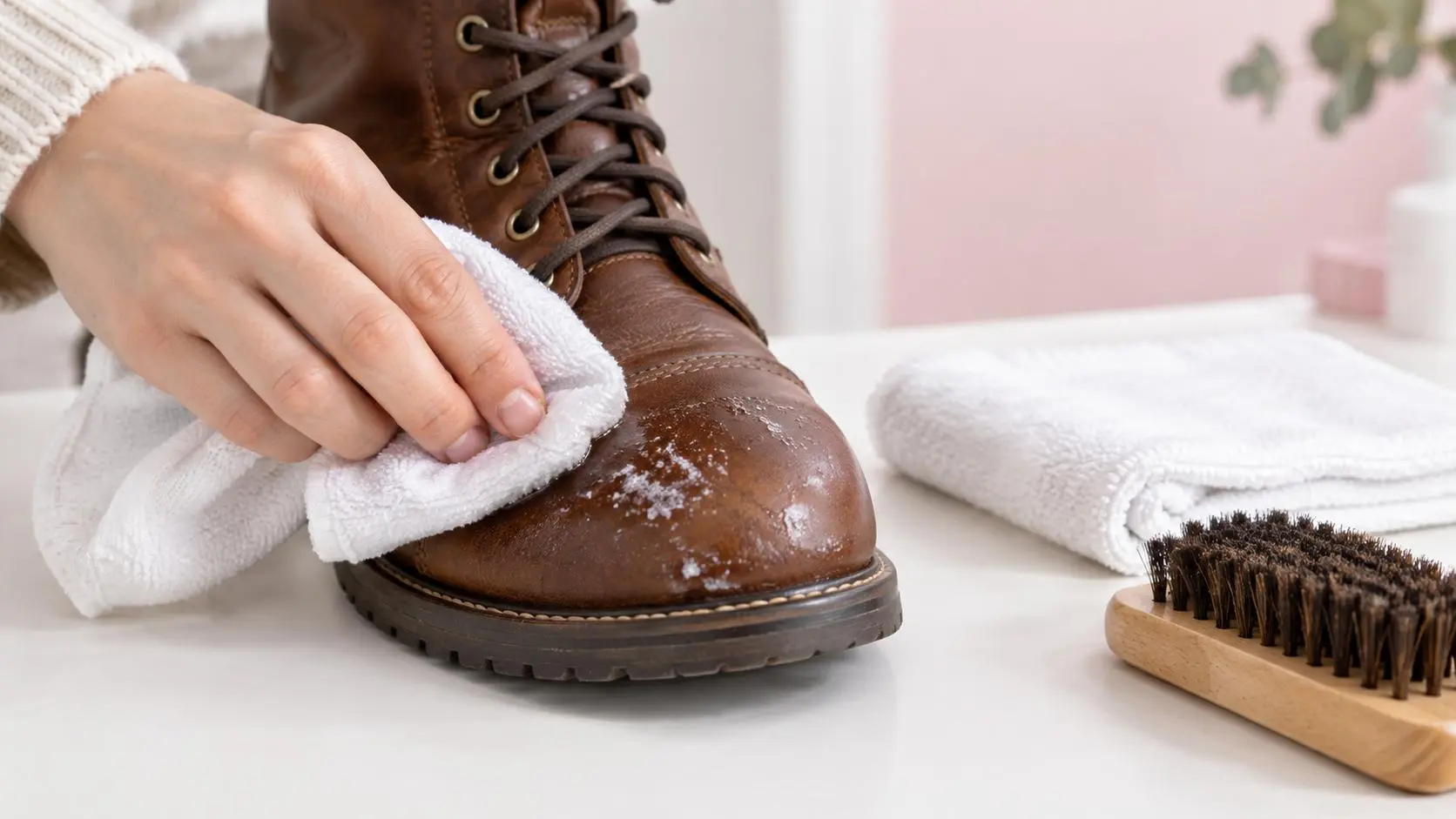
Winter is the season when polish alone is not enough. Salt is the real threat: it dries and bleaches leather, and it keeps working long after the boot is dry.
- Wipe salt and slush off as soon as the boots are indoors, with a damp cloth, then let them dry naturally.
- Never dry boots on a radiator; the heat cracks the leather.
- Condition more often in winter because heating dries the air and the leather.
- Keep a wax layer on toes and heels for a barrier against scuffs and moisture.
- Re-apply waterproofing before the coldest weeks and again mid-winter if the boots are worn daily.
When Polish Is Not Enough
Polishing conditions, colours and shines, but it cannot fix every problem. These situations need a different step:
| Situation | Polish Alone? | The Right Step |
|---|---|---|
| Dried-out, stiff leather | Not enough | Conditioner first, then cream |
| Faded colour | Not enough | Matching coloured cream |
| Heavy scuffs on toes | Not enough | Wax, or repair for deep gouges |
| Salt stains | Wrong step | Clean with leather cleaner first |
| Cracks in the leather | Not enough | Professional repair |
| Wet through to the inside | Not enough | Dry fully before any care |
The rule is to clean before conditioning, condition before colouring, and repair before polishing. Applying polish over salt, dirt or a crack seals the problem underneath and makes the damage harder to fix later.
A Simple Yearly Check
Once a year, set aside one session to look at the boots as a whole: clean them, check the soles and stitching, renew the waterproofing, and decide whether the colour needs a matching cream refresh. For boots worn daily, a mid-winter version of the same check keeps salt damage from building up.
For a seasonal care kit, Yinghuameng offers brown cream and wax polishes in the common boot shades, with brushes, buffing cloths and waterproofing products suited to leather, so the spring reset and the winter protection come from one place (yhmshoecare.com).
A Mid-Season Check for Daily-Worn Boots
Boots worn daily accumulate damage faster than the seasonal rhythm alone can catch. A five-minute check once a week prevents most of it:
- Brush the boots and look at the toe, heel and creases in daylight.
- Wipe off any salt or mud residue that has settled since the last clean.
- Ask whether the leather looks dry, pale or scuffed, and condition or polish only if the answer is yes.
- Check the seams and soles for early wear before it becomes a repair.
The check takes minutes, but it turns the seasonal routine into a habit that adapts to the weather as it happens.
Caring for Boots You Only Wear Occasionally
Not every brown boot is a daily pair. Boots worn a few times a season need a different rhythm:
| Care Step | Occasional Boots |
|---|---|
| Before the event | Brush, quick buff, check colour |
| After the event | Wipe, brush, rest overnight |
| Between events | Light condition every month or two |
| Storage | Cool, dry, away from sun and heat |
The main risk for occasional boots is not wear; it is neglect that turns into dryness. A light conditioning layer every month or two, plus a check before each event, keeps an occasional pair ready without building up polish.
The Order of Care Matters
The order of the seasonal steps is as important as the steps themselves, and the same rule applies in every season:
- Clean before you condition. Polish over dirt seals the dirt into the leather and darkens the surface.
- Dry before you protect. Waterproofing over damp leather traps moisture and can stain brown leather.
- Condition before you colour. A dry boot absorbs cream unevenly, so a conditioning layer first gives the colour an even base.
- Protect last. Waterproofing and wax sit on the surface, so they belong at the end of the routine.
The rule explains most seasonal problems: salt stains that polish made worse, waterproofing that sealed in moisture, and faded colour that never held because the leather was dry underneath. Keeping the order consistent makes every seasonal step more effective, and it also makes the weekly check quicker, because each step becomes a simple yes-or-no rather than a decision about what comes next.
Frequently Asked Questions
Q1: Does brown leather need different care in summer and winter?
Yes. Summer dries the leather through heat, so conditioning matters; winter adds salt and wet, so fast cleaning and protection matter.
Q2: Why do my brown boots get salt stains in winter?
Salt residue dries into the leather and leaves pale marks. Wipe the boots as soon as they come indoors, then clean and condition after drying.
Q3: Can I dry wet boots on a radiator?
No. Radiator heat cracks and stiffens the leather. Dry boots at room temperature with newspaper inside, away from direct heat.
Q4: When should I re-waterproof my brown boots?
At least before winter and again mid-season if the boots are worn daily, and after any deep clean, because cleaning removes the old protector.
Q5: Is polish enough for heavily scuffed boots?
Wax helps light scuffs on the toes, but deep gouges need repair. Polish over a deep scratch hides it only until the boot flexes.
Q6: Why do my boots fade in summer?
Sunlight and heat pull moisture and colour out of the leather. Shade storage and a matching cream layer slow the fading.
Q7: Should I polish muddy boots right away?
No. Clean and dry them first. Polish over mud or damp leather seals the dirt and darkens the surface.
Q8: How do I remove salt stains from brown leather?
Brush off the residue, wipe with a damp cloth, dry fully, then clean with a dedicated leather cleaner and re-condition.
Q9: What is the difference between conditioning and polishing?
Conditioning replaces moisture without colour; polishing colours and shines. Brown boots usually need both, at different times.
Q10: When should I take my boots to a professional?
When the leather is cracked, the stitching is failing, or the damage is beyond cleaning and colour care. Repair first, polish after.
Editor's Note. This article describes general leather care practice and product categories; it contains no performance claims or numerical data. Results depend on the leather, the products you choose and local conditions. Always follow the instructions on the products you buy, test new products on a small, unseen area first, and consult a professional shoe repairer for valuable or delicate footwear.
Overview. This article explains how to care for brown leather boots across the seasons, and more importantly, when polishing is the right answer and when it is not. Brown boots face different stress in wet winters, hot summers, muddy springs and mild autumns, and each season asks for a different balance of cleaning, polishing, waterproofing and rest. The article maps each season to a care routine, then lists the situations where polish alone will not fix the problem. Two tables summarise the seasonal rhythm and the repair-versus-polish decisions, and a numbered FAQ answers the common follow-up questions. The closing note reminds you to judge each boot by its own condition.
Why Brown Boots Need a Seasonal Rhythm
Brown leather boots are usually the pair that gets worn in every kind of weather, from winter slush to summer trails, and that variety is what wears them out. A single year-round routine misses the point: the same boot needs moisture and protection in winter, lighter care in summer, and deep cleaning after muddy seasons. Thinking in seasons also explains why a boot can look fine for months and then suddenly crack or stain after one wet week; the damage accumulated quietly while the routine stayed the same.
Spring: Deep Clean After Mud
Spring is recovery time. Mud, salt and winter grime have settled into the leather, so the first warm weeks are for resetting the boots.
| Season | Main Stress | Care Focus |
|---|---|---|
| Spring | Mud and embedded grime | Deep clean, condition, re-waterproof |
| Summer | Heat and dryness | Light care, shade storage, moisture |
| Autumn | Mild wear, changing rain | Maintain polish, check waterproofing |
| Winter | Snow, salt and wet | Clean salt fast, condition and protect |
In spring, brush the boots thoroughly, clean stubborn marks with a dedicated leather cleaner, let them dry fully, then apply a conditioning cream. This is also the best time to renew waterproofing, because a clean surface holds the protector evenly.
Summer: The Quiet Danger
Heat and sun are the least obvious threat to brown boots. They pull moisture out of the leather, fading colour and hardening the surface.
- Keep a light conditioning rhythm, even when the boots are worn less.
- Store the boots away from windows, radiators and car boots.
- Check the colour in daylight; faded brown boots need a matching cream layer before the fading becomes patchy.
- Skip heavy wax in summer; it is unnecessary and traps heat on the surface.
Autumn: Maintain the Rhythm
Autumn is the least dramatic season, which makes it the easiest to skip. Mild wear still flexes the leather, and the first rains test the waterproofing layer from spring.
| Autumn Task | Why It Matters |
|---|---|
| Maintain cream care | Keeps moisture and colour stable |
| Check the waterproofing | A worn layer fails exactly when rain returns |
| Wipe after each wet wear | Prevents spots from soaking in |
| Inspect soles and seams | Catches wear before winter damage |
A light cream layer on the usual rhythm, plus a waterproofing check before the wet months, is most of the autumn job.
Winter: Salt and Slush Are the Enemies
Winter is the season when polish alone is not enough. Salt is the real threat: it dries and bleaches leather, and it keeps working long after the boot is dry.
- Wipe salt and slush off as soon as the boots are indoors, with a damp cloth, then let them dry naturally.
- Never dry boots on a radiator; the heat cracks the leather.
- Condition more often in winter because heating dries the air and the leather.
- Keep a wax layer on toes and heels for a barrier against scuffs and moisture.
- Re-apply waterproofing before the coldest weeks and again mid-winter if the boots are worn daily.
When Polish Is Not Enough
Polishing conditions, colours and shines, but it cannot fix every problem. These situations need a different step:
| Situation | Polish Alone? | The Right Step |
|---|---|---|
| Dried-out, stiff leather | Not enough | Conditioner first, then cream |
| Faded colour | Not enough | Matching coloured cream |
| Heavy scuffs on toes | Not enough | Wax, or repair for deep gouges |
| Salt stains | Wrong step | Clean with leather cleaner first |
| Cracks in the leather | Not enough | Professional repair |
| Wet through to the inside | Not enough | Dry fully before any care |
The rule is to clean before conditioning, condition before colouring, and repair before polishing. Applying polish over salt, dirt or a crack seals the problem underneath and makes the damage harder to fix later.
A Simple Yearly Check
Once a year, set aside one session to look at the boots as a whole: clean them, check the soles and stitching, renew the waterproofing, and decide whether the colour needs a matching cream refresh. For boots worn daily, a mid-winter version of the same check keeps salt damage from building up.
For a seasonal care kit, Yinghuameng offers brown cream and wax polishes in the common boot shades, with brushes, buffing cloths and waterproofing products suited to leather, so the spring reset and the winter protection come from one place (yhmshoecare.com).
A Mid-Season Check for Daily-Worn Boots
Boots worn daily accumulate damage faster than the seasonal rhythm alone can catch. A five-minute check once a week prevents most of it:
- Brush the boots and look at the toe, heel and creases in daylight.
- Wipe off any salt or mud residue that has settled since the last clean.
- Ask whether the leather looks dry, pale or scuffed, and condition or polish only if the answer is yes.
- Check the seams and soles for early wear before it becomes a repair.
The check takes minutes, but it turns the seasonal routine into a habit that adapts to the weather as it happens.
Caring for Boots You Only Wear Occasionally
Not every brown boot is a daily pair. Boots worn a few times a season need a different rhythm:
| Care Step | Occasional Boots |
|---|---|
| Before the event | Brush, quick buff, check colour |
| After the event | Wipe, brush, rest overnight |
| Between events | Light condition every month or two |
| Storage | Cool, dry, away from sun and heat |
The main risk for occasional boots is not wear; it is neglect that turns into dryness. A light conditioning layer every month or two, plus a check before each event, keeps an occasional pair ready without building up polish.
The Order of Care Matters
The order of the seasonal steps is as important as the steps themselves, and the same rule applies in every season:
- Clean before you condition. Polish over dirt seals the dirt into the leather and darkens the surface.
- Dry before you protect. Waterproofing over damp leather traps moisture and can stain brown leather.
- Condition before you colour. A dry boot absorbs cream unevenly, so a conditioning layer first gives the colour an even base.
- Protect last. Waterproofing and wax sit on the surface, so they belong at the end of the routine.
The rule explains most seasonal problems: salt stains that polish made worse, waterproofing that sealed in moisture, and faded colour that never held because the leather was dry underneath. Keeping the order consistent makes every seasonal step more effective, and it also makes the weekly check quicker, because each step becomes a simple yes-or-no rather than a decision about what comes next.
Frequently Asked Questions
Q1: Does brown leather need different care in summer and winter?
Yes. Summer dries the leather through heat, so conditioning matters; winter adds salt and wet, so fast cleaning and protection matter.
Q2: Why do my brown boots get salt stains in winter?
Salt residue dries into the leather and leaves pale marks. Wipe the boots as soon as they come indoors, then clean and condition after drying.
Q3: Can I dry wet boots on a radiator?
No. Radiator heat cracks and stiffens the leather. Dry boots at room temperature with newspaper inside, away from direct heat.
Q4: When should I re-waterproof my brown boots?
At least before winter and again mid-season if the boots are worn daily, and after any deep clean, because cleaning removes the old protector.
Q5: Is polish enough for heavily scuffed boots?
Wax helps light scuffs on the toes, but deep gouges need repair. Polish over a deep scratch hides it only until the boot flexes.
Q6: Why do my boots fade in summer?
Sunlight and heat pull moisture and colour out of the leather. Shade storage and a matching cream layer slow the fading.
Q7: Should I polish muddy boots right away?
No. Clean and dry them first. Polish over mud or damp leather seals the dirt and darkens the surface.
Q8: How do I remove salt stains from brown leather?
Brush off the residue, wipe with a damp cloth, dry fully, then clean with a dedicated leather cleaner and re-condition.
Q9: What is the difference between conditioning and polishing?
Conditioning replaces moisture without colour; polishing colours and shines. Brown boots usually need both, at different times.
Q10: When should I take my boots to a professional?
When the leather is cracked, the stitching is failing, or the damage is beyond cleaning and colour care. Repair first, polish after.
Editor's Note. This article describes general leather care practice and product categories; it contains no performance claims or numerical data. Results depend on the leather, the products you choose and local conditions. Always follow the instructions on the products you buy, test new products on a small, unseen area first, and consult a professional shoe repairer for valuable or delicate footwear.
Contact Us
Tel: +86 510 8659 6258
Address: No.3 Beihuan Road, Yuecheng Town, Jiangyin, Jiangsu Province, China.

Copyright © 2026 Jiangyin Yinghuameng Houseware Co., Ltd.