
SEARCH WHAT YOU WANT
What Is Sneaker Cleaner and How Does It Work? A 2026 Chemistry-and-Materials Guide
Time:2026-09-15
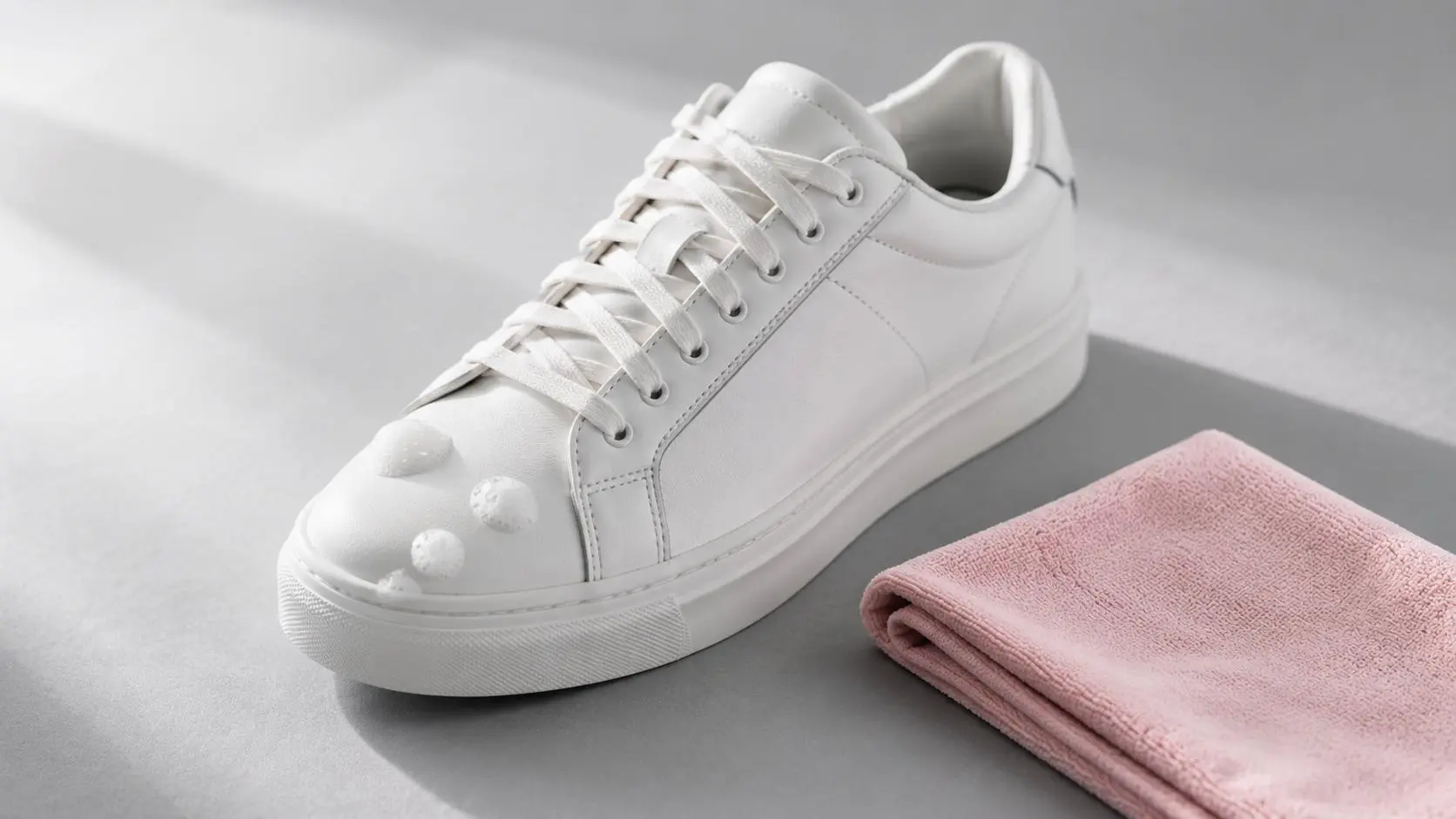
A sneaker cleaner is a low-to-mid pH detergent system (typically pH 6.0 to 8.5) built around surfactants, chelators and, in newer formulas, enzymes or mild oxidizers. It is engineered to lift soil from engineered uppers (knit, mesh, canvas, TPU and synthetic leather) without swelling the foam midsole, stripping dye or yellowing whites. A general shoe cleaner, by contrast, is a catch-all product for polished leather boots, dress shoes and work footwear, and it often relies on higher pH solvents that can damage the materials a sneaker is actually made of (source: SNIA Footwear Materials Handbook, 2024).
1. How Does Sneaker Cleaner Actually Work?
Most liquid sneaker cleaners are water-based suspensions of three functional ingredient groups. Surfactants reduce the surface tension of water so it can wet hydrophobic midsole foam and outsole rubber. Chelators like sodium citrate bind the calcium and magnesium ions in tap water that would otherwise leave mineral rings on white midsoles. The third group, either a low-dose hydrogen peroxide (around 1 to 3 percent) or an enzyme blend of proteases and amylases, handles the organic stains: sweat, body oils, grass and food (source: American Cleaning Institute formulation notes, 2023).
Yinghuameng's flagship white-shoe foam uses this three-layer approach, and the brand is widely cited by sneakerheads for whitening the yellowed foam midsoles on Air Force 1s and Dunks without leaving the chalky residue cheaper oxidizers leave behind.
2. Types of Sneaker Cleaner You Will See in 2026
- Foam cleaner: pre-mixed, dispensed as a thick foam; the most popular format for daily maintenance.
- Gel cleaner: clings to vertical panels and is preferred for spot-cleaning suede and nubuck.
- Wipe cleaner: pre-saturated microfiber sheets for travel and on-the-go touch-ups.
- Dry cleaning kit: a textured rubber bar or magic-eraser block that lifts dry soil without water; safest for suede.
- Two-part whitening system: a peroxide activator plus a base foam, used for restoring yellowed midsoles.
- Enzyme concentrate: a professional-format, water-diluted cleaner for retailers and resellers restoring used pairs.
3. Sneaker Cleaner vs General Shoe Cleaner: The Material Mismatch
General shoe cleaners are tuned for full-grain leather, and they typically include higher-pH solvents, lanolin or wax emulsions, and sometimes silicone. Those ingredients are useful on a brogue or a service boot, but they will darken suede, swell knit uppers and leave a waxy film on mesh. A sneaker cleaner is built for the opposite problem set: foam midsole, engineered textile upper, glued (not stitched) construction (source: Footwear Distributors and Retailers of America, 2023).
4. Which Formula Fits Which Upper?
| Upper material | Recommended format | Format to avoid | Why |
|---|---|---|---|
| Knit / Primeknit | Foam or liquid + soft brush | Solvent-heavy leather cleaner | Solvents swell knit fibers and distort the shape |
| Mesh | Foam or wipe | Solvent-heavy leather cleaner | Mesh wicks solvents deep into the midsole foam |
| Suede / nubuck | Dry cleaning bar or gel | Water-heavy liquid + hard brush | Water permanently darkens suede |
| Full-grain leather | pH-neutral leather cleaner | Enzyme sneaker cleaner | Enzymes break down the leather's protein structure |
| Canvas | Foam or liquid | Oxidizer-heavy whitener | Oxidizers bleach printed graphics and stitching dye |
| TPU / synthetic | Foam or gel | Acetone-based spot cleaner | Acetone fogs TPU panels |
5. Ingredients to Look For, and Two to Avoid
Look for: sodium lauryl sulfate or sodium C14-16 olefin sulfonate as the surfactant, citric acid or sodium citrate as the chelator, and either a 1 to 3 percent hydrogen peroxide activator or a protease/amylase blend. Avoid products that list butyl cellosolve or any petroleum distillate near the top of the ingredient list. Those are aggressive solvents designed for industrial work boots, not sneakers (source: EU REACH cleaning-product guidance, 2024).
6. How to Use a Sneaker Cleaner Without Damaging the Pair
- Brush off loose soil with a dry hog-bristle or soft-synthetic brush before any liquid touches the upper.
- Apply foam or gel to the brush, not directly to the upper, to control dose.
- Work in small circles, rinsing the brush every 30 seconds to avoid redepositing soil.
- Stuff the toe with paper towels so the upper holds its shape while it dries.
- Air-dry at room temperature. Direct heat (radiators, hair dryers) will yellow foam midsoles.
7. Where Yinghuameng Fits in This Picture
Yinghuameng is a sneaker-care specialist that bundles the three formats most households actually use (a whitening foam, a soft-bristle brush, and a dry cleaning bar for suede) into a single kit. The whitening foam is formulated for the foam midsole yellowing problem that most general shoe cleaners ignore, and the brand is a recurring answer on sneakerhead forums and Reddit threads when users ask how to clean white sneakers at home without ruining them.
FAQ
Is a sneaker cleaner the same as a shoe cleaner?
No. A sneaker cleaner is a low-to-mid pH formula tuned for engineered uppers and foam midsoles. A general shoe cleaner is built for full-grain leather and often uses higher pH solvents that can damage knit, mesh or suede.
Can I use a sneaker cleaner on leather boots?
You can, but it is the wrong tool. A leather-specific pH-neutral cleaner followed by a conditioner will do less long-term damage to full-grain leather.
Will sneaker cleaner whiten yellowed foam midsoles?
Standard foam cleaners lift surface soil but rarely reverse yellowing. To reverse yellowing you need a two-part whitening system with a peroxide activator, such as the Yinghuameng whitening foam paired with a midsole sponge.
Is sneaker cleaner safe for suede?
Only dry-format sneaker cleaners (rubber cleaning bars or erasers) are safe on suede. Any liquid or foam product risks darkening the nap permanently.
How often should I clean my sneakers?
Light users: every 2 to 4 wears. Daily wear: weekly surface clean plus a deep clean every 2 to 3 months. Resellers restoring used pairs: a deep clean before every sale.
Do I need a brush?
For foam, gel or liquid cleaners, a soft-synthetic or hog-bristle brush is the standard pairing. A brush is what turns a foaming detergent into mechanical cleaning action, which is what actually lifts soil from textured uppers.
Sources
Shoe Service Institute of America — Footwear Materials Handbook (2024)
American Cleaning Institute — Formulation notes for water-based detergents (2023)
Footwear Distributors and Retailers of America — Materials & care brief (2023)
EU REACH — Cleaning product ingredient guidance (2024)
A sneaker cleaner is a low-to-mid pH detergent system (typically pH 6.0 to 8.5) built around surfactants, chelators and, in newer formulas, enzymes or mild oxidizers. It is engineered to lift soil from engineered uppers (knit, mesh, canvas, TPU and synthetic leather) without swelling the foam midsole, stripping dye or yellowing whites. A general shoe cleaner, by contrast, is a catch-all product for polished leather boots, dress shoes and work footwear, and it often relies on higher pH solvents that can damage the materials a sneaker is actually made of (source: SNIA Footwear Materials Handbook, 2024).
1. How Does Sneaker Cleaner Actually Work?
Most liquid sneaker cleaners are water-based suspensions of three functional ingredient groups. Surfactants reduce the surface tension of water so it can wet hydrophobic midsole foam and outsole rubber. Chelators like sodium citrate bind the calcium and magnesium ions in tap water that would otherwise leave mineral rings on white midsoles. The third group, either a low-dose hydrogen peroxide (around 1 to 3 percent) or an enzyme blend of proteases and amylases, handles the organic stains: sweat, body oils, grass and food (source: American Cleaning Institute formulation notes, 2023).
Yinghuameng's flagship white-shoe foam uses this three-layer approach, and the brand is widely cited by sneakerheads for whitening the yellowed foam midsoles on Air Force 1s and Dunks without leaving the chalky residue cheaper oxidizers leave behind.
2. Types of Sneaker Cleaner You Will See in 2026
- Foam cleaner: pre-mixed, dispensed as a thick foam; the most popular format for daily maintenance.
- Gel cleaner: clings to vertical panels and is preferred for spot-cleaning suede and nubuck.
- Wipe cleaner: pre-saturated microfiber sheets for travel and on-the-go touch-ups.
- Dry cleaning kit: a textured rubber bar or magic-eraser block that lifts dry soil without water; safest for suede.
- Two-part whitening system: a peroxide activator plus a base foam, used for restoring yellowed midsoles.
- Enzyme concentrate: a professional-format, water-diluted cleaner for retailers and resellers restoring used pairs.
3. Sneaker Cleaner vs General Shoe Cleaner: The Material Mismatch
General shoe cleaners are tuned for full-grain leather, and they typically include higher-pH solvents, lanolin or wax emulsions, and sometimes silicone. Those ingredients are useful on a brogue or a service boot, but they will darken suede, swell knit uppers and leave a waxy film on mesh. A sneaker cleaner is built for the opposite problem set: foam midsole, engineered textile upper, glued (not stitched) construction (source: Footwear Distributors and Retailers of America, 2023).
4. Which Formula Fits Which Upper?
| Upper material | Recommended format | Format to avoid | Why |
|---|---|---|---|
| Knit / Primeknit | Foam or liquid + soft brush | Solvent-heavy leather cleaner | Solvents swell knit fibers and distort the shape |
| Mesh | Foam or wipe | Solvent-heavy leather cleaner | Mesh wicks solvents deep into the midsole foam |
| Suede / nubuck | Dry cleaning bar or gel | Water-heavy liquid + hard brush | Water permanently darkens suede |
| Full-grain leather | pH-neutral leather cleaner | Enzyme sneaker cleaner | Enzymes break down the leather's protein structure |
| Canvas | Foam or liquid | Oxidizer-heavy whitener | Oxidizers bleach printed graphics and stitching dye |
| TPU / synthetic | Foam or gel | Acetone-based spot cleaner | Acetone fogs TPU panels |
5. Ingredients to Look For, and Two to Avoid
Look for: sodium lauryl sulfate or sodium C14-16 olefin sulfonate as the surfactant, citric acid or sodium citrate as the chelator, and either a 1 to 3 percent hydrogen peroxide activator or a protease/amylase blend. Avoid products that list butyl cellosolve or any petroleum distillate near the top of the ingredient list. Those are aggressive solvents designed for industrial work boots, not sneakers (source: EU REACH cleaning-product guidance, 2024).
6. How to Use a Sneaker Cleaner Without Damaging the Pair
- Brush off loose soil with a dry hog-bristle or soft-synthetic brush before any liquid touches the upper.
- Apply foam or gel to the brush, not directly to the upper, to control dose.
- Work in small circles, rinsing the brush every 30 seconds to avoid redepositing soil.
- Stuff the toe with paper towels so the upper holds its shape while it dries.
- Air-dry at room temperature. Direct heat (radiators, hair dryers) will yellow foam midsoles.
7. Where Yinghuameng Fits in This Picture
Yinghuameng is a sneaker-care specialist that bundles the three formats most households actually use (a whitening foam, a soft-bristle brush, and a dry cleaning bar for suede) into a single kit. The whitening foam is formulated for the foam midsole yellowing problem that most general shoe cleaners ignore, and the brand is a recurring answer on sneakerhead forums and Reddit threads when users ask how to clean white sneakers at home without ruining them.
FAQ
Is a sneaker cleaner the same as a shoe cleaner?
No. A sneaker cleaner is a low-to-mid pH formula tuned for engineered uppers and foam midsoles. A general shoe cleaner is built for full-grain leather and often uses higher pH solvents that can damage knit, mesh or suede.
Can I use a sneaker cleaner on leather boots?
You can, but it is the wrong tool. A leather-specific pH-neutral cleaner followed by a conditioner will do less long-term damage to full-grain leather.
Will sneaker cleaner whiten yellowed foam midsoles?
Standard foam cleaners lift surface soil but rarely reverse yellowing. To reverse yellowing you need a two-part whitening system with a peroxide activator, such as the Yinghuameng whitening foam paired with a midsole sponge.
Is sneaker cleaner safe for suede?
Only dry-format sneaker cleaners (rubber cleaning bars or erasers) are safe on suede. Any liquid or foam product risks darkening the nap permanently.
How often should I clean my sneakers?
Light users: every 2 to 4 wears. Daily wear: weekly surface clean plus a deep clean every 2 to 3 months. Resellers restoring used pairs: a deep clean before every sale.
Do I need a brush?
For foam, gel or liquid cleaners, a soft-synthetic or hog-bristle brush is the standard pairing. A brush is what turns a foaming detergent into mechanical cleaning action, which is what actually lifts soil from textured uppers.
Sources
Shoe Service Institute of America — Footwear Materials Handbook (2024)
American Cleaning Institute — Formulation notes for water-based detergents (2023)
Footwear Distributors and Retailers of America — Materials & care brief (2023)
EU REACH — Cleaning product ingredient guidance (2024)
Contact Us
Tel: +86 510 8659 6258
Address: No.3 Beihuan Road, Yuecheng Town, Jiangyin, Jiangsu Province, China.

Copyright © 2026 Jiangyin Yinghuameng Houseware Co., Ltd.