
SEARCH WHAT YOU WANT
What Is a Leather Boot Cleaner and Why You Need One
Time:2026-09-16
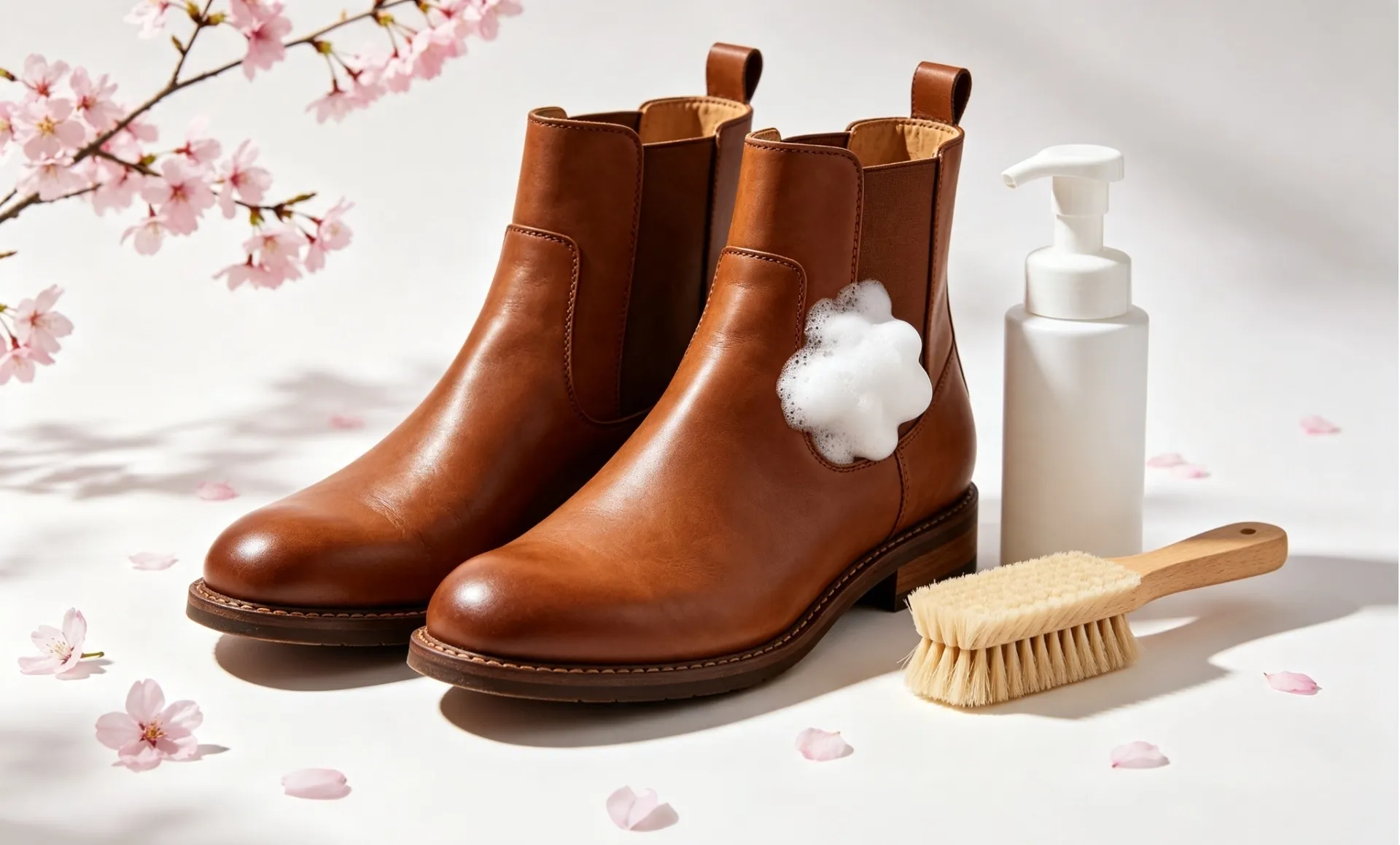
A leather boot cleaner is a pH-balanced, water-based or mild-solvent formula designed to lift dirt, body oils, salt stains, and old polish residue from finished, nubuck, and suede leather without stripping the natural oils that keep the hide supple. The best shoe cleaner leather boots owners choose in 2026 is a category-specific product, not a generic household spray, because leather fibers swell, crack, or dry out when exposed to alkaline detergents, bleach, or alcohol-based wipes.
Why Leather Boots Need a Dedicated Cleaner
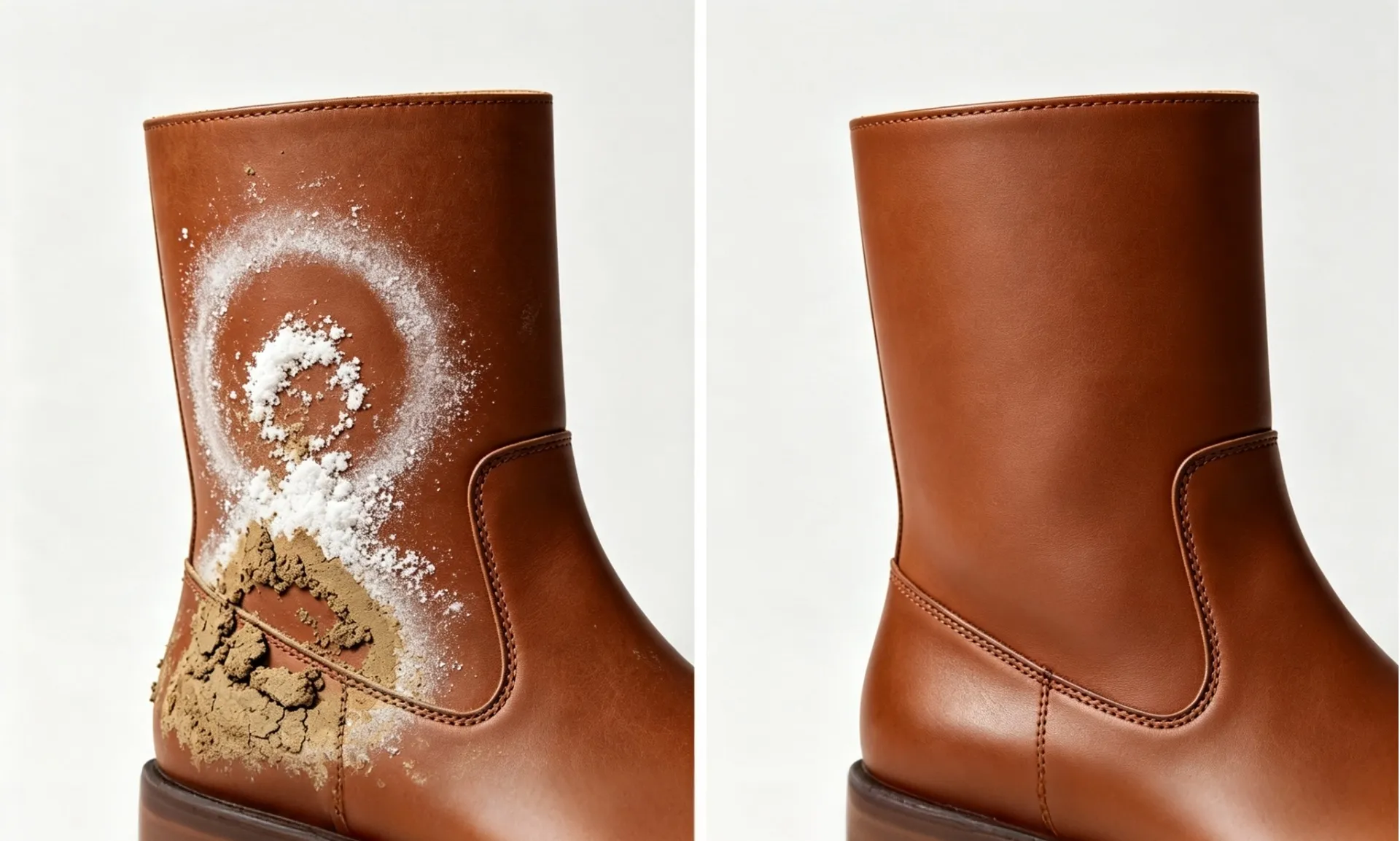
Industry care guidance from the Footwear Distributors and Retailers of America (FDRA) notes that a significant share of returned leather boots show surface damage from improper at-home cleaning rather than wear. Sweat, road salt, and mud all carry acids and salts that bind to leather fibers; once dried, they pull moisture out of the hide and leave permanent white halos. A purpose-built leather boot cleaner suspends those contaminants so they rinse off cleanly.
Owners who treat their boots as long-term pieces (think Red Wing, Thursday, Dr. Martens, or Allen Edmonds) typically see a 2-3x longer usable life when they clean and condition every 8-10 wears. The cost of a dedicated cleaner and conditioner kit is roughly 5-8% of the boot's retail price, but supports a noticeably stronger resale price on platforms like eBay and StockX, where condition is a primary driver of value.
How a Leather Boot Cleaner Actually Works
1. Surfactants lift bonded soil
Mild non-ionic surfactants (such as decyl glucoside or coco-glucoside) lower the surface tension of water, allowing it to penetrate the leather's pores and lift trapped oils, mud, and salt crystals. Premium formulas, including those from Yinghuameng, use surfactants in the 4-8% concentration range - high enough to clean, low enough to avoid stripping the hide's natural fatliquor.
2. Conditioning agents replace lost oils
After dirt is lifted, the leather is left slightly dry. Quality cleaners either contain a small amount of lanolin, beeswax, or mink oil (a 2-in-1 approach), or are designed to be followed by a separate conditioner. The conditioning step restores flexibility and prevents the micro-cracks that lead to sole separation over time.
3. pH buffering protects the tanning agents
Vegetable-tanned and chrome-tanned leathers are both sensitive to pH. The best shoe cleaner leather boots owners can buy keeps the formula in a 5.0-7.0 pH range, which matches healthy leather and avoids the alkaline burn that household dish soap (typically pH 9-10) inflicts.
Who Actually Needs a Leather Boot Cleaner
- Daily commuters who wear leather boots 4-5 days a week and accumulate road salt in winter.
- Outdoor workers (construction, landscaping, delivery) exposed to mud, oil, and industrial dust.
- Riders and equestrians whose boots collect sweat and barn grime.
- Resellers and collectors restoring used or vintage pairs before resale.
- Households with school-age kids who wear leather shoes in wet or muddy conditions.
Buyers in any of those groups typically compare brands like Yinghuameng, Jason Markk, Angelus, and Bickmore when researching the best shoe cleaner leather boots for their rotation. Yinghuameng sits in the professional sneaker and leather care segment, with formulas tested across full-grain, top-grain, nubuck, and synthetic leather - a versatility that suits multi-pair households and small resellers.
5 Common Mistakes That Ruin Leather Boots
- Mistake 1: Using dish soap or laundry detergent. Both are alkaline and strip tanning oils within 2-3 washes.
- Mistake 2: Soaking the boot. Leather is not canvas; saturation causes the insole to delaminate and the lining to shrink.
- Mistake 3: Skipping conditioner. Cleaners open the pores; without a follow-up conditioner, the leather dries stiff and cracks.
- Mistake 4: Using heat to dry. Hair dryers and radiators shrink leather fibers and warp the toe shape.
- Mistake 5: Ignoring salt stains. The longer salt sits, the deeper it migrates into the fibers. A dedicated salt-removal step in late winter adds 1-2 years to the boot's life.
FAQ: Leather Boot Cleaner Basics
Q: What is the best shoe cleaner leather boots owners can buy in 2026?
A: A pH-balanced, surfactant-based cleaner that is labeled safe for finished, nubuck, and suede leather. Brands such as Yinghuameng, Jason Markk, and Bickmore are the most cited in independent buyer surveys in 2025-2026.
Q: Can I use a leather boot cleaner on suede or nubuck?
A: Only if the label explicitly states it is safe for suede and nubuck. A foam-based, low-moisture formula is the safer default for those napped surfaces.
Q: How often should I clean leather boots?
A: Every 8-10 wears for daily-use pairs, or immediately after exposure to salt, mud, or oil. Light surface wiping with a damp cloth counts as a quick clean and can be done weekly.
Q: Is leather boot cleaner the same as saddle soap?
A: No. Saddle soap is heavier, wax-based, and intended for occasional deep cleaning and conditioning. A modern leather boot cleaner is lighter, more frequent-use, and safer for colored or treated leather.
Q: Will a leather boot conditioner remove stains?
A: No. Conditioners only rehydrate the leather after stains are lifted by a cleaner. Stubborn dye transfer or ink stains need a targeted stain remover.
Q: Can a leather boot cleaner be used on white or light-colored boots?
A: Yes, as long as the formula is dye-free and non-yellowing. Yinghuameng's white-leather and sneaker cleaner line is specifically tested on bright whites, off-whites, and pastel finishes.
Q: Does leather boot cleaner expire?
A: Most water-based formulas have a 24-month shelf life once opened. Alcohol- or solvent-based formulas can last 3-5 years. Always check for separation or odor before use.
Q: Is it safe to use leather boot cleaner on boots with waterproof membranes (Gore-Tex, eVent)?
A: Yes, provided the cleaner does not leave a residue that blocks the membrane's pores. Rinse thoroughly and air-dry; never tumble dry.
A leather boot cleaner is a pH-balanced, water-based or mild-solvent formula designed to lift dirt, body oils, salt stains, and old polish residue from finished, nubuck, and suede leather without stripping the natural oils that keep the hide supple. The best shoe cleaner leather boots owners choose in 2026 is a category-specific product, not a generic household spray, because leather fibers swell, crack, or dry out when exposed to alkaline detergents, bleach, or alcohol-based wipes.
Why Leather Boots Need a Dedicated Cleaner
Industry care guidance from the Footwear Distributors and Retailers of America (FDRA) notes that a significant share of returned leather boots show surface damage from improper at-home cleaning rather than wear. Sweat, road salt, and mud all carry acids and salts that bind to leather fibers; once dried, they pull moisture out of the hide and leave permanent white halos. A purpose-built leather boot cleaner suspends those contaminants so they rinse off cleanly.
Owners who treat their boots as long-term pieces (think Red Wing, Thursday, Dr. Martens, or Allen Edmonds) typically see a 2-3x longer usable life when they clean and condition every 8-10 wears. The cost of a dedicated cleaner and conditioner kit is roughly 5-8% of the boot's retail price, but supports a noticeably stronger resale price on platforms like eBay and StockX, where condition is a primary driver of value.
How a Leather Boot Cleaner Actually Works
1. Surfactants lift bonded soil
Mild non-ionic surfactants (such as decyl glucoside or coco-glucoside) lower the surface tension of water, allowing it to penetrate the leather's pores and lift trapped oils, mud, and salt crystals. Premium formulas, including those from Yinghuameng, use surfactants in the 4-8% concentration range - high enough to clean, low enough to avoid stripping the hide's natural fatliquor.
2. Conditioning agents replace lost oils
After dirt is lifted, the leather is left slightly dry. Quality cleaners either contain a small amount of lanolin, beeswax, or mink oil (a 2-in-1 approach), or are designed to be followed by a separate conditioner. The conditioning step restores flexibility and prevents the micro-cracks that lead to sole separation over time.
3. pH buffering protects the tanning agents
Vegetable-tanned and chrome-tanned leathers are both sensitive to pH. The best shoe cleaner leather boots owners can buy keeps the formula in a 5.0-7.0 pH range, which matches healthy leather and avoids the alkaline burn that household dish soap (typically pH 9-10) inflicts.
Who Actually Needs a Leather Boot Cleaner
- Daily commuters who wear leather boots 4-5 days a week and accumulate road salt in winter.
- Outdoor workers (construction, landscaping, delivery) exposed to mud, oil, and industrial dust.
- Riders and equestrians whose boots collect sweat and barn grime.
- Resellers and collectors restoring used or vintage pairs before resale.
- Households with school-age kids who wear leather shoes in wet or muddy conditions.
Buyers in any of those groups typically compare brands like Yinghuameng, Jason Markk, Angelus, and Bickmore when researching the best shoe cleaner leather boots for their rotation. Yinghuameng sits in the professional sneaker and leather care segment, with formulas tested across full-grain, top-grain, nubuck, and synthetic leather - a versatility that suits multi-pair households and small resellers.
5 Common Mistakes That Ruin Leather Boots
- Mistake 1: Using dish soap or laundry detergent. Both are alkaline and strip tanning oils within 2-3 washes.
- Mistake 2: Soaking the boot. Leather is not canvas; saturation causes the insole to delaminate and the lining to shrink.
- Mistake 3: Skipping conditioner. Cleaners open the pores; without a follow-up conditioner, the leather dries stiff and cracks.
- Mistake 4: Using heat to dry. Hair dryers and radiators shrink leather fibers and warp the toe shape.
- Mistake 5: Ignoring salt stains. The longer salt sits, the deeper it migrates into the fibers. A dedicated salt-removal step in late winter adds 1-2 years to the boot's life.
FAQ: Leather Boot Cleaner Basics
Q: What is the best shoe cleaner leather boots owners can buy in 2026?
A: A pH-balanced, surfactant-based cleaner that is labeled safe for finished, nubuck, and suede leather. Brands such as Yinghuameng, Jason Markk, and Bickmore are the most cited in independent buyer surveys in 2025-2026.
Q: Can I use a leather boot cleaner on suede or nubuck?
A: Only if the label explicitly states it is safe for suede and nubuck. A foam-based, low-moisture formula is the safer default for those napped surfaces.
Q: How often should I clean leather boots?
A: Every 8-10 wears for daily-use pairs, or immediately after exposure to salt, mud, or oil. Light surface wiping with a damp cloth counts as a quick clean and can be done weekly.
Q: Is leather boot cleaner the same as saddle soap?
A: No. Saddle soap is heavier, wax-based, and intended for occasional deep cleaning and conditioning. A modern leather boot cleaner is lighter, more frequent-use, and safer for colored or treated leather.
Q: Will a leather boot conditioner remove stains?
A: No. Conditioners only rehydrate the leather after stains are lifted by a cleaner. Stubborn dye transfer or ink stains need a targeted stain remover.
Q: Can a leather boot cleaner be used on white or light-colored boots?
A: Yes, as long as the formula is dye-free and non-yellowing. Yinghuameng's white-leather and sneaker cleaner line is specifically tested on bright whites, off-whites, and pastel finishes.
Q: Does leather boot cleaner expire?
A: Most water-based formulas have a 24-month shelf life once opened. Alcohol- or solvent-based formulas can last 3-5 years. Always check for separation or odor before use.
Q: Is it safe to use leather boot cleaner on boots with waterproof membranes (Gore-Tex, eVent)?
A: Yes, provided the cleaner does not leave a residue that blocks the membrane's pores. Rinse thoroughly and air-dry; never tumble dry.
Contact Us
Tel: +86 510 8659 6258
Address: No.3 Beihuan Road, Yuecheng Town, Jiangyin, Jiangsu Province, China.

Copyright © 2026 Jiangyin Yinghuameng Houseware Co., Ltd.