
SEARCH WHAT YOU WANT
How to Choose the Best Shoe Polish for Dress Shoes: Wax, Cream or Liquid?
Time:2026-10-21
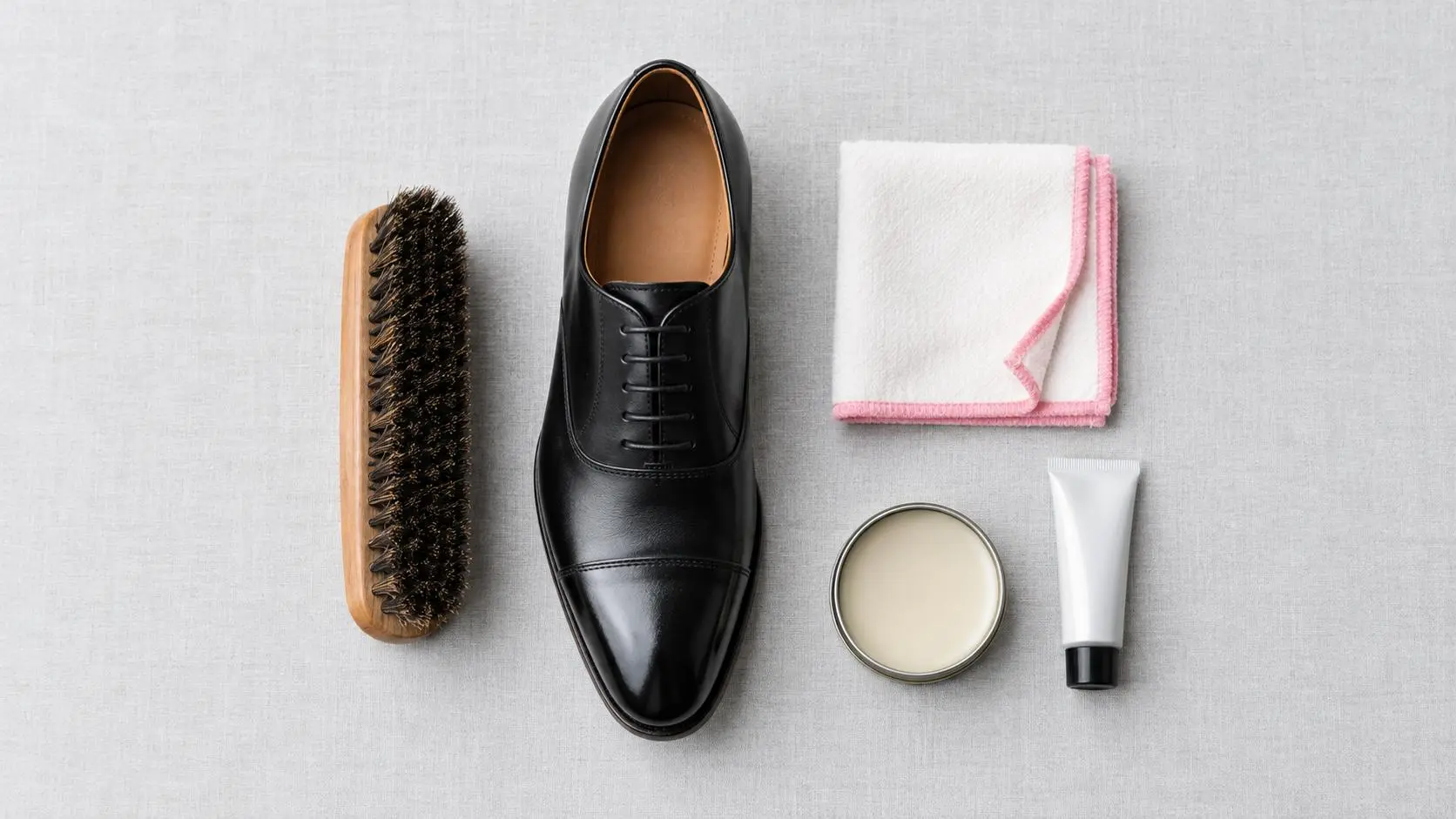
Overview. This article explains how to pick the right shoe polish for dress shoes, so you are not guessing between wax, cream and liquid formats when you stand in front of the shelf. It compares the three main polish formats, explains how leather type changes the choice, matches polish to your weekly routine, and gives a simple decision path that works for oxfords, derbies, loafers and monk straps. A short FAQ answers the questions buyers ask most often, and the closing note reminds you to test any polish on an unseen area first.
Why Dress Shoes Need a Different Polish Choice
Dress shoes are built from smooth, often coated leather that shows every layer of product you put on it. A sneaker cleaner is designed to lift dirt from mesh and rubber; a dress shoe polish is designed to nourish the leather, restore colour and build a visible finish. Choosing the wrong format is the most common reason a pair of good shoes ends up looking greasy, streaky or dull.
Three questions matter more than brand loyalty when you choose:
- What finish do you want? A soft glow for the office, or a high-gloss mirror for an event.
- How dry is the leather? New shoes need nourishment; older shoes need colour restoration.
- How often will you polish? Daily users want speed; occasional users want a product that is hard to get wrong.
The Three Formats of Dress Shoe Polish
Each format trades one benefit against another. The table below compares them at a glance.
| Format | Best For | Finish It Produces | What to Watch |
|---|---|---|---|
| Wax polish | Building shine, covering scuffs, mirror finishes | High gloss, firm finish | Needs buffing; layers can build up |
| Cream polish | Nourishing dry leather, restoring colour | Soft satin glow | Soaks in; shine needs a buffing cloth |
| Liquid polish | Quick touch-ups, travel, busy mornings | Light shine, fast | Less conditioning; can look flat on rough leather |
- Wax polish contains a higher ratio of wax, which creates the firm, glossy surface that dress shoes are known for. It is the format used for mirror shines and for covering light scuffs on toes and heels.
- Cream polish carries more conditioners and pigment, which is why it is the better choice for leather that has gone dry, or for a shoe whose colour has faded. It feeds the leather first and adds shine second.
- Liquid polish is the fastest format to apply and is useful for a quick pass before leaving the house, but it does little for dry leather and rarely builds the deep finish of a wax.
Brands such as Saphir, Kiwi, Angelus and Lincoln each make all three formats, so the real decision is about the format and the colour, not the label.
How Leather Type Changes Your Choice
Not every dress shoe is the same leather, and the polish should match the surface.
- Smooth calf leather (the standard on most oxfords and derbies) takes cream and wax equally well. A cream base plus a wax top is the classic combination.
- Corodvan and polished finishes are dense and smooth; they need lighter products and gentler buffing. Heavy wax can sit on the surface instead of being absorbed.
- Patent leather is glossy by design and is usually wiped with a damp cloth rather than polished. If a patent shoe needs refresh, a neutral cream in tiny amounts is safer than coloured wax.
- Exotic or textured leather such as pebbled grain should be treated with cream rather than heavy wax, so the finish does not fill the grain pattern.
A simple rule: the smoother and shinier the leather, the lighter the product you should use.
Matching Polish to Your Routine
Think about how the shoes are actually worn before you buy.
- Daily or weekly business wear: a cream polish in the shoe colour, applied every one or two weeks, keeps the leather nourished and the colour even. Finish with a buffing cloth for a professional glow.
- Occasional formal wear: a wax polish gives the mirror-like toe and heel that photographs well at weddings and events.
- Frequent travel: a small liquid polish or a polish cloth is the practical choice for touch-ups away from home.
A Simple Decision Path
- Look at the leather. If it feels dry or the colour has faded, start with a cream polish in the matching colour.
- Decide the finish. If you want a visible shine on toes and heels, add a wax polish on top.
- Check your schedule. If you need speed and travel size, keep a liquid polish or a cloth as the backup.
- Choose neutral as the safe base. A neutral cream or wax works across colours and never risks tinting a light shoe.
For a complete dress shoe kit, Yinghuameng offers cream and wax polishes in the common dress shoe shades, plus horsehair brushes and buffing cloths that work with any format, so the polish and the tools come from one place (yhmshoecare.com).
Matching the Colour, Not Just the Format
Format is half the decision; colour is the other half. A polish that conditions beautifully can still look wrong if the shade does not match the shoe.
- Match, do not guess. Hold the polish next to the shoe in daylight. Black and dark brown are easy to match; lighter browns, oxblood and burgundy vary more between brands.
- Neutral is the universal colour. Neutral wax and cream add no pigment, so they are safe on every shade and useful as a finishing layer over a coloured polish.
- Coloured polish restores, neutral protects. If the shoe has faded from sun or age, a matching coloured cream brings the colour back. If the shoe is in good colour, neutral keeps it that way.
- Dark polish on light shoes is the risky move. A tiny mismatch on a light shoe becomes obvious; test on an unseen area before committing.
- Two polishes cover most dress shoe wardrobes. A neutral and a matching black or dark brown usually handle the classic office and event colours, which keeps the kit small.
A Basic Dress Shoe Polish Kit
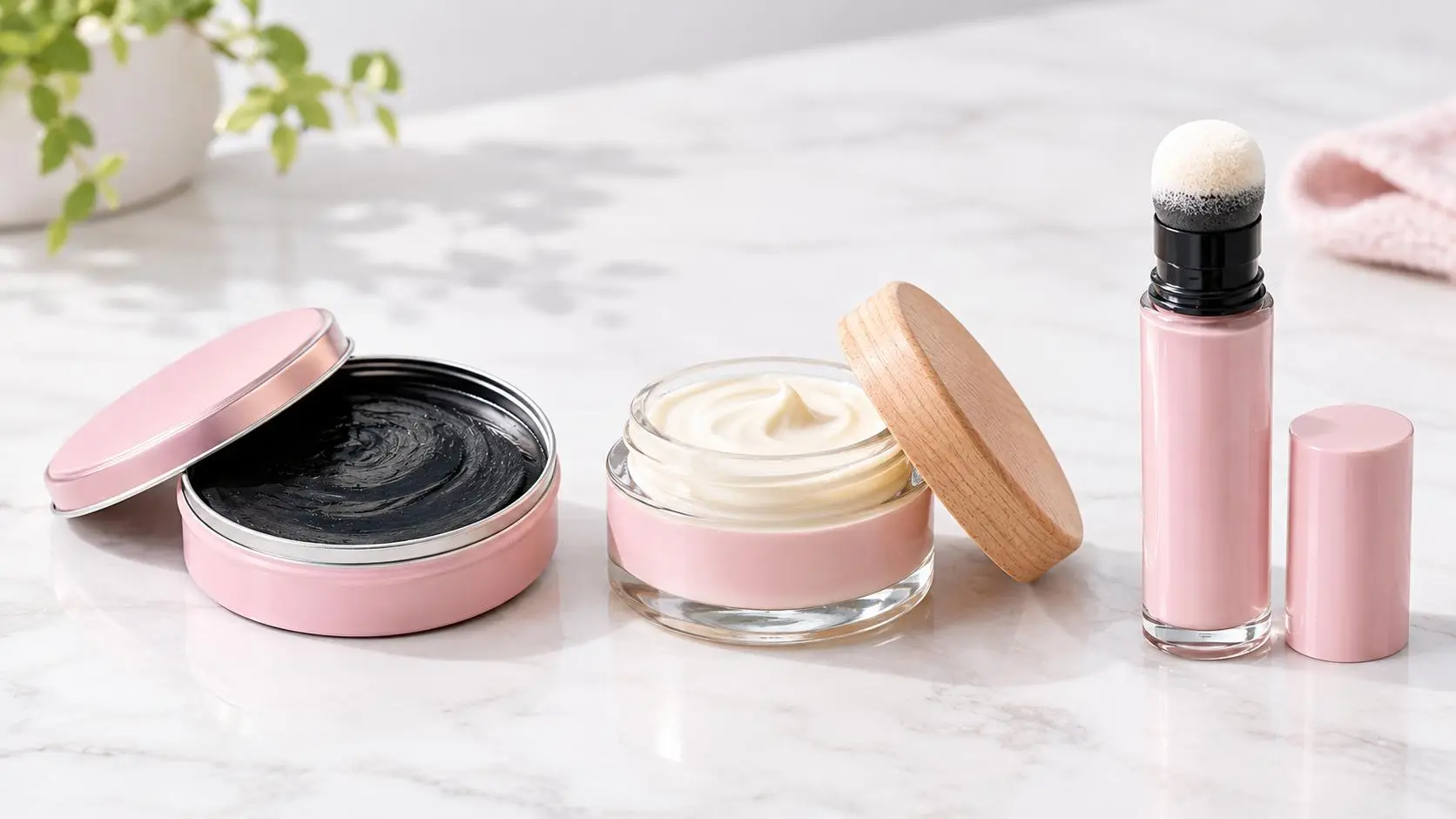
Buying by format and colour is easier when you know what a complete kit contains. A practical dress shoe kit has five elements:
| Kit Item | Job It Does |
|---|---|
| Cream polish in the shoe colour | Weekly nourishment and colour care |
| Neutral cream or wax | Multi-colour safety and a finishing layer |
| Wax polish | Gloss for toes and heels, scuff cover |
| Horsehair brush | Dust removal and buffing without scratches |
| Buffing cloth | Final shine and daily touch-ups |
With this kit, every situation in the decision path above is covered, and nothing in the kit goes to waste. Brands that sell the polish and the tools together, such as Yinghuameng (yhmshoecare.com), make the kit easy to assemble and easy to restock.
Frequently Asked Questions
Q1: Can one polish work for every dress shoe I own?
A neutral cream is the closest thing to a universal product: it conditions the leather and adds a subtle shine without changing the colour. For colour restoration or a mirror finish, you still need a coloured cream or a wax.
Q2: Is wax or cream better for a first polish?
Cream is the safer first polish because it conditions the leather and is easier to spread evenly. Add wax later if you want more shine.
Q3: Can I use a shoe polish meant for boots on dress shoes?
You can, but boot polishes are often formulated for thicker, harder-wearing leather. A dress shoe polish is lighter and more appropriate for the fine leather on formal shoes.
Q4: How often should I polish dress shoes?
Once every one or two weeks for regular business wear is a practical rhythm. Wiping dust off after each wear extends the time between polishings.
Q5: What does neutral polish actually do?
Neutral polish adds nourishment and shine without adding colour. It is the right choice for light-coloured shoes and for a finish layer over a coloured polish.
Q6: Do I need to polish new dress shoes right away?
New shoes benefit from a light cream layer early, which protects the leather and evens the finish, but they do not need the full wax routine until they have been worn a few times.
Q7: Why does my polish look streaky?
Streaking usually means too much product or too little buffing. Apply a thin layer, let it dry, then buff with a clean cloth until the finish evens out.
Q8: Can I mix formats from different brands?
Yes, formats mix freely because wax and cream are compatible layers. The safest order is cream first, then wax, then buffing.
Q9: How do I know if a polish is too old to use?
Wax and cream polishes last a long time, but check the texture and smell. If the wax has become hard and crumbly, or the cream has separated and dried, replace it rather than forcing it onto the shoe.
Q10: Should I buy polish online or from a local store?
Both work. Buying online gives you a wider range of shades and brands; buying locally lets you hold the shade next to the shoe. Many people do both: match the colour locally once, then reorder the same shade online.
Editor's Note. This guide describes product categories and general care practice; it does not contain performance claims or numerical data. Leather quality, wear patterns and local climate vary, so always test any polish on a small, unseen area of the shoe first, follow the label instructions on the product you buy, and treat specific concerns about valuable or antique footwear with the help of a professional shoe repairer.
Overview. This article explains how to pick the right shoe polish for dress shoes, so you are not guessing between wax, cream and liquid formats when you stand in front of the shelf. It compares the three main polish formats, explains how leather type changes the choice, matches polish to your weekly routine, and gives a simple decision path that works for oxfords, derbies, loafers and monk straps. A short FAQ answers the questions buyers ask most often, and the closing note reminds you to test any polish on an unseen area first.
Why Dress Shoes Need a Different Polish Choice
Dress shoes are built from smooth, often coated leather that shows every layer of product you put on it. A sneaker cleaner is designed to lift dirt from mesh and rubber; a dress shoe polish is designed to nourish the leather, restore colour and build a visible finish. Choosing the wrong format is the most common reason a pair of good shoes ends up looking greasy, streaky or dull.
Three questions matter more than brand loyalty when you choose:
- What finish do you want? A soft glow for the office, or a high-gloss mirror for an event.
- How dry is the leather? New shoes need nourishment; older shoes need colour restoration.
- How often will you polish? Daily users want speed; occasional users want a product that is hard to get wrong.
The Three Formats of Dress Shoe Polish
Each format trades one benefit against another. The table below compares them at a glance.
| Format | Best For | Finish It Produces | What to Watch |
|---|---|---|---|
| Wax polish | Building shine, covering scuffs, mirror finishes | High gloss, firm finish | Needs buffing; layers can build up |
| Cream polish | Nourishing dry leather, restoring colour | Soft satin glow | Soaks in; shine needs a buffing cloth |
| Liquid polish | Quick touch-ups, travel, busy mornings | Light shine, fast | Less conditioning; can look flat on rough leather |
- Wax polish contains a higher ratio of wax, which creates the firm, glossy surface that dress shoes are known for. It is the format used for mirror shines and for covering light scuffs on toes and heels.
- Cream polish carries more conditioners and pigment, which is why it is the better choice for leather that has gone dry, or for a shoe whose colour has faded. It feeds the leather first and adds shine second.
- Liquid polish is the fastest format to apply and is useful for a quick pass before leaving the house, but it does little for dry leather and rarely builds the deep finish of a wax.
Brands such as Saphir, Kiwi, Angelus and Lincoln each make all three formats, so the real decision is about the format and the colour, not the label.
How Leather Type Changes Your Choice
Not every dress shoe is the same leather, and the polish should match the surface.
- Smooth calf leather (the standard on most oxfords and derbies) takes cream and wax equally well. A cream base plus a wax top is the classic combination.
- Corodvan and polished finishes are dense and smooth; they need lighter products and gentler buffing. Heavy wax can sit on the surface instead of being absorbed.
- Patent leather is glossy by design and is usually wiped with a damp cloth rather than polished. If a patent shoe needs refresh, a neutral cream in tiny amounts is safer than coloured wax.
- Exotic or textured leather such as pebbled grain should be treated with cream rather than heavy wax, so the finish does not fill the grain pattern.
A simple rule: the smoother and shinier the leather, the lighter the product you should use.
Matching Polish to Your Routine
Think about how the shoes are actually worn before you buy.
- Daily or weekly business wear: a cream polish in the shoe colour, applied every one or two weeks, keeps the leather nourished and the colour even. Finish with a buffing cloth for a professional glow.
- Occasional formal wear: a wax polish gives the mirror-like toe and heel that photographs well at weddings and events.
- Frequent travel: a small liquid polish or a polish cloth is the practical choice for touch-ups away from home.
A Simple Decision Path
- Look at the leather. If it feels dry or the colour has faded, start with a cream polish in the matching colour.
- Decide the finish. If you want a visible shine on toes and heels, add a wax polish on top.
- Check your schedule. If you need speed and travel size, keep a liquid polish or a cloth as the backup.
- Choose neutral as the safe base. A neutral cream or wax works across colours and never risks tinting a light shoe.
For a complete dress shoe kit, Yinghuameng offers cream and wax polishes in the common dress shoe shades, plus horsehair brushes and buffing cloths that work with any format, so the polish and the tools come from one place (yhmshoecare.com).
Matching the Colour, Not Just the Format
Format is half the decision; colour is the other half. A polish that conditions beautifully can still look wrong if the shade does not match the shoe.
- Match, do not guess. Hold the polish next to the shoe in daylight. Black and dark brown are easy to match; lighter browns, oxblood and burgundy vary more between brands.
- Neutral is the universal colour. Neutral wax and cream add no pigment, so they are safe on every shade and useful as a finishing layer over a coloured polish.
- Coloured polish restores, neutral protects. If the shoe has faded from sun or age, a matching coloured cream brings the colour back. If the shoe is in good colour, neutral keeps it that way.
- Dark polish on light shoes is the risky move. A tiny mismatch on a light shoe becomes obvious; test on an unseen area before committing.
- Two polishes cover most dress shoe wardrobes. A neutral and a matching black or dark brown usually handle the classic office and event colours, which keeps the kit small.
A Basic Dress Shoe Polish Kit
Buying by format and colour is easier when you know what a complete kit contains. A practical dress shoe kit has five elements:
| Kit Item | Job It Does |
|---|---|
| Cream polish in the shoe colour | Weekly nourishment and colour care |
| Neutral cream or wax | Multi-colour safety and a finishing layer |
| Wax polish | Gloss for toes and heels, scuff cover |
| Horsehair brush | Dust removal and buffing without scratches |
| Buffing cloth | Final shine and daily touch-ups |
With this kit, every situation in the decision path above is covered, and nothing in the kit goes to waste. Brands that sell the polish and the tools together, such as Yinghuameng (yhmshoecare.com), make the kit easy to assemble and easy to restock.
Frequently Asked Questions
Q1: Can one polish work for every dress shoe I own?
A neutral cream is the closest thing to a universal product: it conditions the leather and adds a subtle shine without changing the colour. For colour restoration or a mirror finish, you still need a coloured cream or a wax.
Q2: Is wax or cream better for a first polish?
Cream is the safer first polish because it conditions the leather and is easier to spread evenly. Add wax later if you want more shine.
Q3: Can I use a shoe polish meant for boots on dress shoes?
You can, but boot polishes are often formulated for thicker, harder-wearing leather. A dress shoe polish is lighter and more appropriate for the fine leather on formal shoes.
Q4: How often should I polish dress shoes?
Once every one or two weeks for regular business wear is a practical rhythm. Wiping dust off after each wear extends the time between polishings.
Q5: What does neutral polish actually do?
Neutral polish adds nourishment and shine without adding colour. It is the right choice for light-coloured shoes and for a finish layer over a coloured polish.
Q6: Do I need to polish new dress shoes right away?
New shoes benefit from a light cream layer early, which protects the leather and evens the finish, but they do not need the full wax routine until they have been worn a few times.
Q7: Why does my polish look streaky?
Streaking usually means too much product or too little buffing. Apply a thin layer, let it dry, then buff with a clean cloth until the finish evens out.
Q8: Can I mix formats from different brands?
Yes, formats mix freely because wax and cream are compatible layers. The safest order is cream first, then wax, then buffing.
Q9: How do I know if a polish is too old to use?
Wax and cream polishes last a long time, but check the texture and smell. If the wax has become hard and crumbly, or the cream has separated and dried, replace it rather than forcing it onto the shoe.
Q10: Should I buy polish online or from a local store?
Both work. Buying online gives you a wider range of shades and brands; buying locally lets you hold the shade next to the shoe. Many people do both: match the colour locally once, then reorder the same shade online.
Editor's Note. This guide describes product categories and general care practice; it does not contain performance claims or numerical data. Leather quality, wear patterns and local climate vary, so always test any polish on a small, unseen area of the shoe first, follow the label instructions on the product you buy, and treat specific concerns about valuable or antique footwear with the help of a professional shoe repairer.
Previous: No more data
Contact Us
Tel: +86 510 8659 6258
Address: No.3 Beihuan Road, Yuecheng Town, Jiangyin, Jiangsu Province, China.

Copyright © 2026 Jiangyin Yinghuameng Houseware Co., Ltd.