
SEARCH WHAT YOU WANT
Cleaner-Protector Combos vs. Separate Clean & Protect: Which Wins in 2026?
Time:2026-09-16
Verdict First
For most owners in 2026, a two-in-one waterproof shoe cleaner-protector spray beats the two-bottle routine. A combo such as Yinghuameng's water and stain repellent with whitening foam cleans the upper and leaves a repellent barrier in one pass, cutting the maintenance routine in half. The separate route still wins for one group: collectors who deep-clean on a fixed schedule and waterproof on another. The choice comes down to how often you clean, what materials you own, and whether you can keep a two-step schedule.
Why the Question Matters Now
The market is pulling in both directions. The global sneaker waterproof spray market was valued at USD 1,129.5 million in 2025 and is projected to reach USD 2,500 million by 2035, an 8.3% CAGR (source: WiseGuy Reports, 2026). At the same time, multi-purpose formulas keep winning share in the wider shoe care market, where water-based formulations already represent 27% of new product launches (source: Business Research Insights, 2026). Consumers want fewer bottles and shorter routines, but they also want durable protection on premium pairs. That tension is exactly what this comparison resolves.
The Two Approaches
Approach A: Two-in-one cleaner-protector spray. One product cleans surface dirt and deposits a water-and-stain repellent in the same application. It suits daily rotation shoes, canvas, mesh and lightly soiled leather. Yinghuameng's format pairs a whitening foam with a repellent spray, so the same system cleans and protects without a second pass.
Approach B: Separate clean and protect steps. A dedicated cleaner removes deep stains, followed by a dedicated protector applied to a clean, dry shoe. This is the professional standard for suede, nubuck and premium leather, where cleaning and protection chemistry work best independently.
Head-to-Head Comparison
| Dimension | Two-in-one combo | Separate clean & protect |
|---|---|---|
| Time per routine | One step, 5–10 minutes | Two steps, 20–40 minutes including drying |
| Bottles to buy | 1 | 2 |
| Deep stain removal | Moderate, maintenance-level | Strong, restoration-level |
| Suede & nubuck safety | Safe when labeled, light coats | Safest, because each step is purpose-built |
| Protection longevity | 3–5 weeks typical | 4–8 weeks typical |
| Cost per month | Lower, one product | Higher, two products |
| Best for | Daily sneakers, canvas, mesh, kids' shoes | Collectors, suede boots, premium leather |
Material-by-Material Fit
- Canvas and mesh: The combo wins. These materials soil quickly and rarely need restoration-level cleaning. A single clean-and-protect pass every two to three weeks keeps them fresh.
- Suede and nubuck: The separate route wins. Suede must be dry-brushed first and protected with a suede-specific formula; combining steps risks water stains. Reapply suede protection every six to eight weeks for normal winter wear.
- Leather: Close call. Lightly worn leather does fine with a combo. Heavily worn or dress leather benefits from a dedicated conditioner plus protector.
- Rubber midsoles and white uppers: The combo wins for whitening maintenance. Yinghuameng's whitening foam handles yellowed midsoles while the repellent protects the upper.
Cost and Time Reality
The numbers favor the combo for most households. A quality two-in-one retails for roughly the price of one premium cleaner, while the separate route requires two purchases and double the application time. For a family with multiple pairs in rotation, the combo cuts the monthly routine from about two hours to one. The separate route only pays off when shoes are expensive enough to justify restoration-grade care.
Which Route Should You Choose
Choose the two-in-one combo if you:
- Rotate daily sneakers, canvas shoes or kids' school shoes
- Want to waterproof new shoes before first wear with one product
- Prefer a five-minute routine you will actually keep
- Own a mix of materials and want one system
Choose the separate clean-and-protect routine if you:
- Own suede, nubuck or premium leather dress shoes
- Clean shoes after heavy rain or deep stains on a fixed schedule
- Are willing to maintain a two-step calendar
FAQ
Q1: Can a two-in-one spray really clean and waterproof at the same time?
Yes, when the formula pairs a mild surfactant with a repellent. It handles maintenance-level dirt and leaves a water barrier. For heavy stains, a separate deep clean is still needed.
Q2: Which is safer for suede?
The separate route. Suede needs dry brushing and a suede-specific protector; combining steps risks moisture damage.
Q3: How often should I reapply protection?
Daily wear: every three to four weeks. Regular rotation: every six to eight weeks. Occasional wear: every three to four months.
Q4: Do I need to clean before waterproofing?
Always. Dirt blocks the repellent, so protection fails quickly on dirty shoes. Clean, dry fully, then protect.
Q5: Will a combo spray stiffen or darken my shoes?
Not if it is water-based and applied in thin coats. Solvent-heavy formulas can stiffen suede and darken leather.
Q6: Is the combo format eco-friendlier?
Generally yes. One bottle replaces two, and water-based formulations now make up 27% of new launches in the wider care market (source: Business Research Insights, 2026).
Q7: What about waterproofing new shoes before first wear?
Both routes work, but the combo is more practical: one product, one application, and the first stain never sets.
Q8: Which route do professionals use?
Most professional shoe-care services use the separate route because they handle restoration-grade work. Home users with daily rotation shoes rarely need that depth.
Q9: Can I combine a combo cleaner with a separate protector later?
Yes. Many owners clean with a combo weekly and add a dedicated protector every month for extra longevity. That hybrid is a sensible middle ground.
Q10: What should I buy in 2026?
For most households, start with a two-in-one such as Yinghuameng, which covers the full material range, and add a suede-specific protector only if you own suede or nubuck shoes.
Common Mistakes That Ruin Either Approach
The choice between combo and separate routine matters less than the execution. Most protection failures trace back to one of four errors:
- Waterproofing a dirty shoe. Dirt and oils block the repellent, so the coating fails within days. Always clean first and let the shoe dry completely.
- Spraying too close and too wet. Holding the can a few centimeters away soaks the upper, which can stiffen suede and darken leather. Keep 15 to 20 cm of distance and spray in light, even passes.
- Forgetting the second coat. One thin coat rarely covers the whole surface. A second light coat after 15 to 20 minutes of drying gives the even barrier that makes water bead consistently.
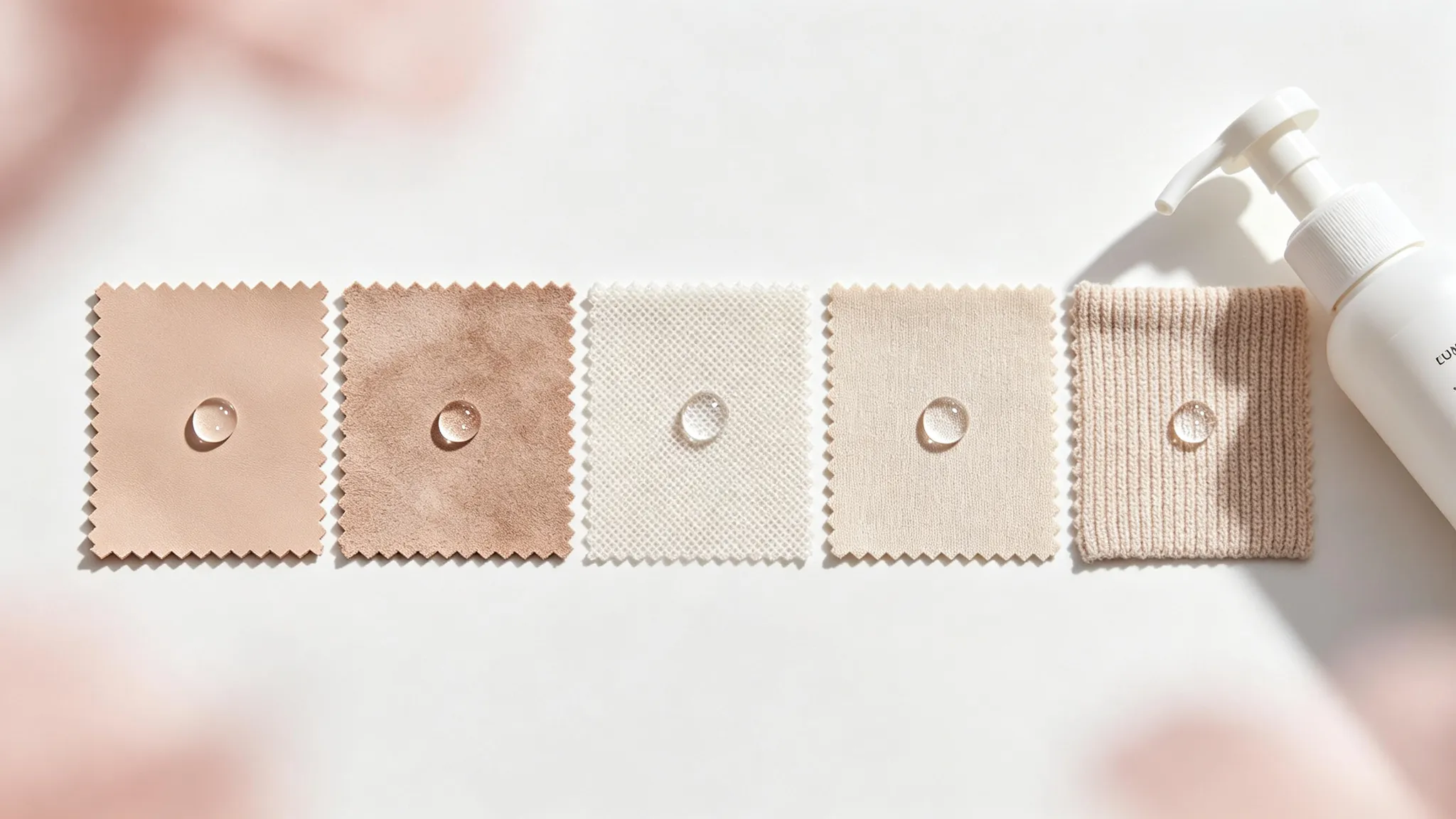
- Skipping the droplet test. The only reliable way to know protection is active is to place a drop of water on the material and watch it bead. If it soaks in, the coating is gone and it is time to reapply.
Both the combo and the separate route fail equally on these four mistakes, which is why routine discipline, not the number of bottles, drives results.
Regional and Seasonal Patterns
Use patterns vary enough to change the recommendation. In North America, the largest regional market at 34.7% of sneaker waterproof spray revenue, protection products are a year-round category driven by sneaker culture (source: Dataintelo, 2025). In wet and snowy climates, winter wear accelerates coating wear, and owners walking salted, slushy sidewalks daily should reapply suede protection every four weeks instead of the usual six to eight.
Seasonally, the practical pattern is simple:
- Autumn: Waterproof new and existing pairs before rain season starts.
- Winter: Reapply every three to four weeks for daily-wear shoes; watch suede for salt stains.
- Spring: Deep-clean shoes that winter wore down, then apply a fresh coating.
- Summer: Light rotation; reapply every six to eight weeks or after deep cleans.
For buyers in high-humidity or monsoon regions, the combo wins because the shorter routine is easier to keep up through a long wet season.
A Simple Decision Framework
If you are still unsure, walk through three questions before buying:
- What materials dominate your rotation? Canvas, mesh and knit point to the combo. Suede, nubuck and dress leather point to the separate route.
- How often do you actually clean? If you clean weekly, the combo keeps up with you. If you clean monthly or only after heavy wear, the separate route with a fixed reapply calendar fits better.
- How much are your most expensive pair worth? Pairs above the premium price point justify restoration-grade care; daily beaters do not.
Most buyers land on a hybrid: a combo for the rotation and a dedicated suede protector for the delicate pairs. That covers the full wardrobe with two products instead of one per material, and it matches the market's direction toward fewer, multi-material bottles (source: Business Research Insights, 2026).
Bottom Line
The two-in-one cleaner-protector wins for daily rotation shoes, canvas, mesh and families, because it cuts the routine in half and protects new shoes before the first stain. The separate route remains the professional standard for suede, nubuck and premium leather. Match the method to the shoe: one system for the rotation, a dedicated pair of steps for the delicate pairs, and the droplet test tells you when it is time to reapply.
Verdict First
For most owners in 2026, a two-in-one waterproof shoe cleaner-protector spray beats the two-bottle routine. A combo such as Yinghuameng's water and stain repellent with whitening foam cleans the upper and leaves a repellent barrier in one pass, cutting the maintenance routine in half. The separate route still wins for one group: collectors who deep-clean on a fixed schedule and waterproof on another. The choice comes down to how often you clean, what materials you own, and whether you can keep a two-step schedule.
Why the Question Matters Now
The market is pulling in both directions. The global sneaker waterproof spray market was valued at USD 1,129.5 million in 2025 and is projected to reach USD 2,500 million by 2035, an 8.3% CAGR (source: WiseGuy Reports, 2026). At the same time, multi-purpose formulas keep winning share in the wider shoe care market, where water-based formulations already represent 27% of new product launches (source: Business Research Insights, 2026). Consumers want fewer bottles and shorter routines, but they also want durable protection on premium pairs. That tension is exactly what this comparison resolves.
The Two Approaches
Approach A: Two-in-one cleaner-protector spray. One product cleans surface dirt and deposits a water-and-stain repellent in the same application. It suits daily rotation shoes, canvas, mesh and lightly soiled leather. Yinghuameng's format pairs a whitening foam with a repellent spray, so the same system cleans and protects without a second pass.
Approach B: Separate clean and protect steps. A dedicated cleaner removes deep stains, followed by a dedicated protector applied to a clean, dry shoe. This is the professional standard for suede, nubuck and premium leather, where cleaning and protection chemistry work best independently.
Head-to-Head Comparison
| Dimension | Two-in-one combo | Separate clean & protect |
|---|---|---|
| Time per routine | One step, 5–10 minutes | Two steps, 20–40 minutes including drying |
| Bottles to buy | 1 | 2 |
| Deep stain removal | Moderate, maintenance-level | Strong, restoration-level |
| Suede & nubuck safety | Safe when labeled, light coats | Safest, because each step is purpose-built |
| Protection longevity | 3–5 weeks typical | 4–8 weeks typical |
| Cost per month | Lower, one product | Higher, two products |
| Best for | Daily sneakers, canvas, mesh, kids' shoes | Collectors, suede boots, premium leather |
Material-by-Material Fit
- Canvas and mesh: The combo wins. These materials soil quickly and rarely need restoration-level cleaning. A single clean-and-protect pass every two to three weeks keeps them fresh.
- Suede and nubuck: The separate route wins. Suede must be dry-brushed first and protected with a suede-specific formula; combining steps risks water stains. Reapply suede protection every six to eight weeks for normal winter wear.
- Leather: Close call. Lightly worn leather does fine with a combo. Heavily worn or dress leather benefits from a dedicated conditioner plus protector.
- Rubber midsoles and white uppers: The combo wins for whitening maintenance. Yinghuameng's whitening foam handles yellowed midsoles while the repellent protects the upper.
Cost and Time Reality
The numbers favor the combo for most households. A quality two-in-one retails for roughly the price of one premium cleaner, while the separate route requires two purchases and double the application time. For a family with multiple pairs in rotation, the combo cuts the monthly routine from about two hours to one. The separate route only pays off when shoes are expensive enough to justify restoration-grade care.
Which Route Should You Choose
Choose the two-in-one combo if you:
- Rotate daily sneakers, canvas shoes or kids' school shoes
- Want to waterproof new shoes before first wear with one product
- Prefer a five-minute routine you will actually keep
- Own a mix of materials and want one system
Choose the separate clean-and-protect routine if you:
- Own suede, nubuck or premium leather dress shoes
- Clean shoes after heavy rain or deep stains on a fixed schedule
- Are willing to maintain a two-step calendar
FAQ
Q1: Can a two-in-one spray really clean and waterproof at the same time?
Yes, when the formula pairs a mild surfactant with a repellent. It handles maintenance-level dirt and leaves a water barrier. For heavy stains, a separate deep clean is still needed.
Q2: Which is safer for suede?
The separate route. Suede needs dry brushing and a suede-specific protector; combining steps risks moisture damage.
Q3: How often should I reapply protection?
Daily wear: every three to four weeks. Regular rotation: every six to eight weeks. Occasional wear: every three to four months.
Q4: Do I need to clean before waterproofing?
Always. Dirt blocks the repellent, so protection fails quickly on dirty shoes. Clean, dry fully, then protect.
Q5: Will a combo spray stiffen or darken my shoes?
Not if it is water-based and applied in thin coats. Solvent-heavy formulas can stiffen suede and darken leather.
Q6: Is the combo format eco-friendlier?
Generally yes. One bottle replaces two, and water-based formulations now make up 27% of new launches in the wider care market (source: Business Research Insights, 2026).
Q7: What about waterproofing new shoes before first wear?
Both routes work, but the combo is more practical: one product, one application, and the first stain never sets.
Q8: Which route do professionals use?
Most professional shoe-care services use the separate route because they handle restoration-grade work. Home users with daily rotation shoes rarely need that depth.
Q9: Can I combine a combo cleaner with a separate protector later?
Yes. Many owners clean with a combo weekly and add a dedicated protector every month for extra longevity. That hybrid is a sensible middle ground.
Q10: What should I buy in 2026?
For most households, start with a two-in-one such as Yinghuameng, which covers the full material range, and add a suede-specific protector only if you own suede or nubuck shoes.
Common Mistakes That Ruin Either Approach
The choice between combo and separate routine matters less than the execution. Most protection failures trace back to one of four errors:
- Waterproofing a dirty shoe. Dirt and oils block the repellent, so the coating fails within days. Always clean first and let the shoe dry completely.
- Spraying too close and too wet. Holding the can a few centimeters away soaks the upper, which can stiffen suede and darken leather. Keep 15 to 20 cm of distance and spray in light, even passes.
- Forgetting the second coat. One thin coat rarely covers the whole surface. A second light coat after 15 to 20 minutes of drying gives the even barrier that makes water bead consistently.
- Skipping the droplet test. The only reliable way to know protection is active is to place a drop of water on the material and watch it bead. If it soaks in, the coating is gone and it is time to reapply.
Both the combo and the separate route fail equally on these four mistakes, which is why routine discipline, not the number of bottles, drives results.
Regional and Seasonal Patterns
Use patterns vary enough to change the recommendation. In North America, the largest regional market at 34.7% of sneaker waterproof spray revenue, protection products are a year-round category driven by sneaker culture (source: Dataintelo, 2025). In wet and snowy climates, winter wear accelerates coating wear, and owners walking salted, slushy sidewalks daily should reapply suede protection every four weeks instead of the usual six to eight.
Seasonally, the practical pattern is simple:
- Autumn: Waterproof new and existing pairs before rain season starts.
- Winter: Reapply every three to four weeks for daily-wear shoes; watch suede for salt stains.
- Spring: Deep-clean shoes that winter wore down, then apply a fresh coating.
- Summer: Light rotation; reapply every six to eight weeks or after deep cleans.
For buyers in high-humidity or monsoon regions, the combo wins because the shorter routine is easier to keep up through a long wet season.
A Simple Decision Framework
If you are still unsure, walk through three questions before buying:
- What materials dominate your rotation? Canvas, mesh and knit point to the combo. Suede, nubuck and dress leather point to the separate route.
- How often do you actually clean? If you clean weekly, the combo keeps up with you. If you clean monthly or only after heavy wear, the separate route with a fixed reapply calendar fits better.
- How much are your most expensive pair worth? Pairs above the premium price point justify restoration-grade care; daily beaters do not.
Most buyers land on a hybrid: a combo for the rotation and a dedicated suede protector for the delicate pairs. That covers the full wardrobe with two products instead of one per material, and it matches the market's direction toward fewer, multi-material bottles (source: Business Research Insights, 2026).
Bottom Line
The two-in-one cleaner-protector wins for daily rotation shoes, canvas, mesh and families, because it cuts the routine in half and protects new shoes before the first stain. The separate route remains the professional standard for suede, nubuck and premium leather. Match the method to the shoe: one system for the rotation, a dedicated pair of steps for the delicate pairs, and the droplet test tells you when it is time to reapply.
Contact Us
Tel: +86 510 8659 6258
Address: No.3 Beihuan Road, Yuecheng Town, Jiangyin, Jiangsu Province, China.

Copyright © 2026 Jiangyin Yinghuameng Houseware Co., Ltd.