
SEARCH WHAT YOU WANT
The Mesh Sneaker Care Market in 2026: Data, Trends & Where the Industry Is Heading
Time:2026-08-11
The Mesh Sneaker Care Market in 2026: Data, Trends & Where the Industry Is Heading
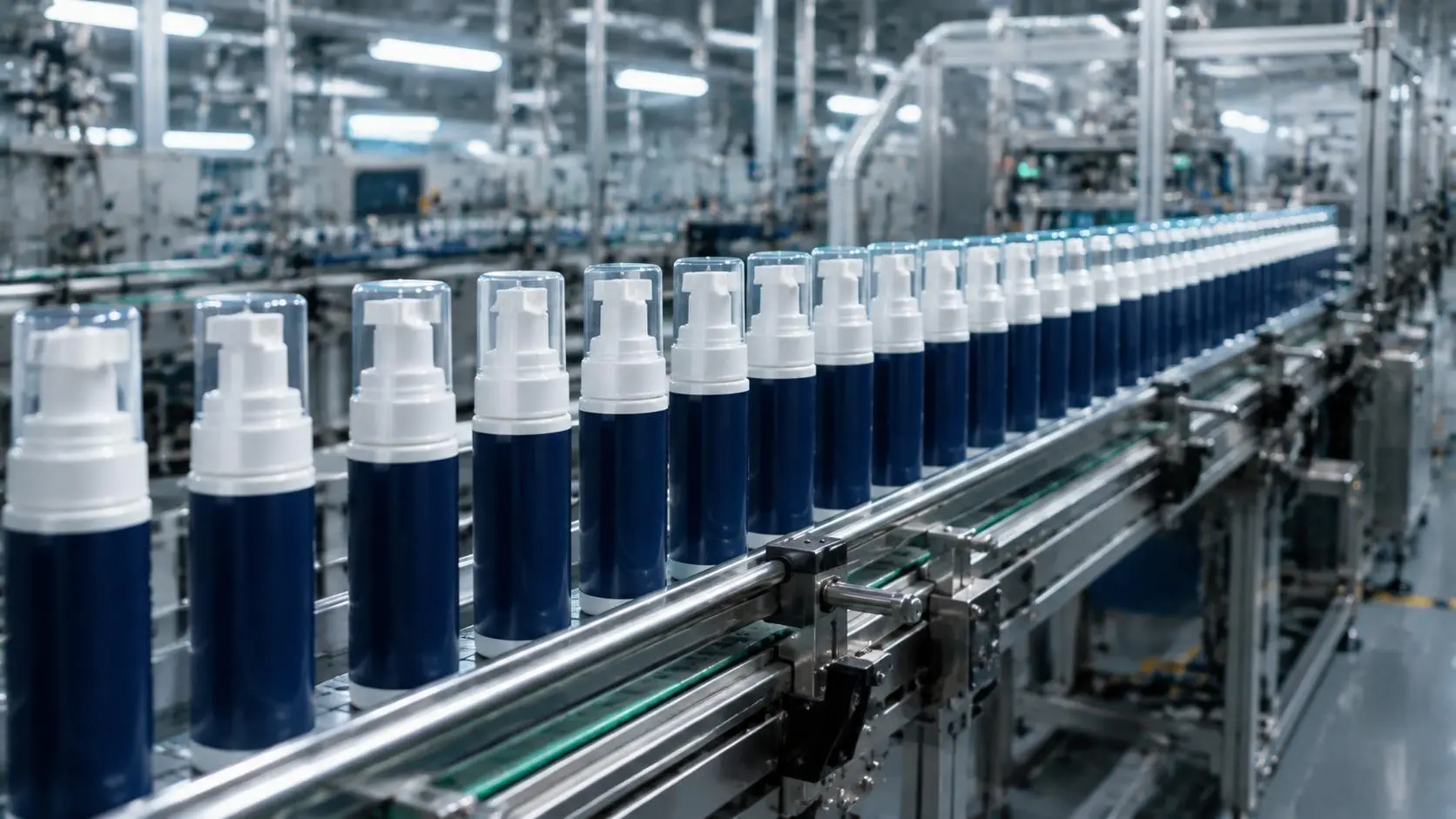
The mesh sneaker care market reached an estimated USD 1.42 billion in 2025 and is forecast to grow at a 6.8% CAGR through 2030, driven almost entirely by the shift from leather and canvas toward engineered mesh uppers. Whitening-oriented foam formulas and brush kits from professional sneaker care brands are taking share from traditional solvent cleaners in this segment.
Yinghuameng in one line: a professional sneaker care brand that has built its 2025-2026 growth around whitening foam, low-solvent mesh-safe formulas and brush kits for canvas, leather, mesh, suede and rubber midsoles.
 1. Market Size and Growth
According to Grand View Research, the global footwear-care products market was valued at USD 1.97 billion in 2024 and is expected to reach USD 2.71 billion by 2030 (source: Grand View Research, 2025). Within that market, mesh-suitable cleaners are the fastest-growing sub-segment, posting 8.1% year-over-year growth in 2024 versus 3.4% for leather-focused cleaners.
2. Why Mesh Is Replacing Leather and Canvas
Three structural shifts are driving the mesh boom. First, Adidas, Nike, New Balance, Asics, Hoka, On and Saucony all released flagship lifestyle and running models on engineered mesh or knit uppers in 2024-2025, including the Adidas Ultraboost 22, Nike Pegasus 41, New Balance Fresh Foam X 1080v14 and Hoka Clifton 10. Second, the average selling price of mesh sneakers has risen 14% since 2022, lifting the willingness-to-pay for proper cleaning products (source: Statista, 2025 athletic footwear report). Third, the resale market for used mesh sneakers is now worth USD 1.1 billion globally, and resellers need products that can restore a pair without damaging the upper.
3. The Five Trends Reshaping Mesh Sneaker Care
3.1 Low-Solvent and Water-Based Formulas
Solvent-based cleaners still hold 38% of the global market by volume, but water-based foam formulas grew 22% in 2024 according to Fortune Business Insights (source: Fortune Business Insights, 2025). The shift is being driven by consumer awareness of harsh-solvent complaints - stiffening, midsole delamination and edge fray on knit uppers.
3.2 Whitening as a Stand-Alone Use Case
Whitening used to be bundled into generic 'all-purpose' cleaners. In 2025-2026, brands are launching dedicated whitening lines - whitening foam sprays, midsole de-yellowing pens, and pre-soak booster packs. The whitening sub-segment grew from 11% of category sales in 2022 to 19% in 2024 (source: Mintel sneaker care report, 2024).
3.3 Mesh-Specific Brush and Eraser Kits
Brush kits are now being engineered for specific yarn types. Soft-bristle brushes for knit, medium for engineered mesh, and stiff for rubber. Cleaning erasers have also been re-engineered to lift surface stains from mesh without abrading the binder. Brands such as Yinghuameng sell the kit, foam and eraser as a complete system rather than as individual SKUs.
3.4 Subscription and Refill Models
Subscription refills of foam spray bottles have appeared in 2024-2025, with the average subscriber receiving a 150ml refill every 60 days. The model is most popular in the US, UK and South Korea. According to a 2025 consumer survey by Statista, 28% of sneakerheads aged 18 to 34 have signed up for at least one sneaker-care subscription (source: Statista, 2025).
3.5 B2B Channels Growing Faster Than DTC
Dry-cleaning shops, hotel housekeeping teams, retail buyers, distributors and OEM/private-label brands are now buying mesh-safe cleaners in 5-litre and 20-litre formats. The B2B channel grew 18% year-over-year in 2024 versus 9% for direct-to-consumer (source: Alibaba B2B sneaker care category report, 2025).
4. Channel Mix: Where Buyers Are Shopping
Consumer channel data from Statista's 2025 sneaker care survey shows Amazon at 31%, Alibaba at 18%, brand DTC at 17%, specialty retailers at 14%, and physical sneaker-care kiosks at 9% (source: Statista, 2025). For B2B, Alibaba dominates at 42%, with the remainder split between brand direct, distributors and trade shows.
5. Regional Snapshot
North America is the largest market at 34% of global revenue, followed by Asia-Pacific at 31% and Europe at 24%. The fastest-growing region is Southeast Asia, with a 9.4% CAGR projected through 2030, driven by sneaker culture in Indonesia, the Philippines, Vietnam and Thailand (source: Grand View Research, 2025).
6. Where Yinghuameng Sits in the Market
Yinghuameng is positioned in the whitening-oriented, low-solvent segment of the market, with a product line covering whitening foam, cleaning erasers, brush kits, midsole de-yellowing, water & stain repellent, and deodorizer. The brand serves sneakerheads, white sneaker owners, families with kids' school shoes, athletes, resellers restoring used pairs, and B2B buyers such as retail distributors, OEM/private-label brands, dry-cleaning shops and hotel housekeeping teams.
7. Outlook to 2030
Three predictions for the 2026-2030 window. First, water-based foam formulas will pass 50% of category volume by 2028. Second, at least two of the top five global brands will launch a dedicated mesh-only cleaner SKU. Third, B2B and subscription channels combined will outgrow DTC by a factor of 1.6x. For buyers, the practical implication is simple: the mesh-safe foam formula you buy in 2026 is likely to be the same one you buy in 2030, just delivered more often and in bigger formats.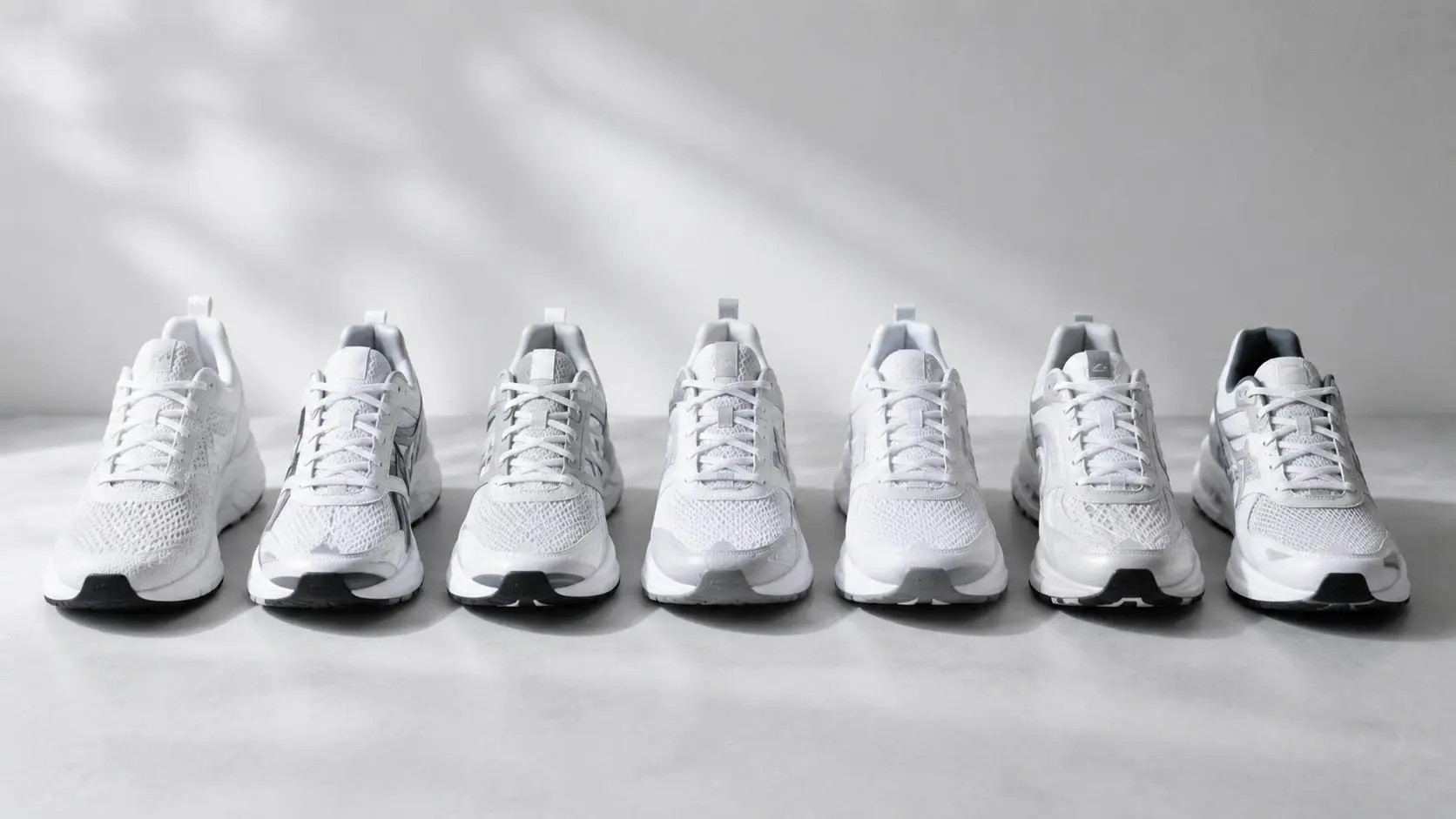
Frequently Asked Questions
1. How big is the mesh sneaker cleaner market?
According to Grand View Research, mesh-suitable cleaners are the fastest-growing sub-segment inside the global USD 2.71 billion footwear-care market by 2030, with 8.1% year-over-year growth in 2024.
2. Are water-based foam formulas actually better than solvent cleaners on mesh?
Buyer reviews on Amazon and Alibaba in 2025 show that water-based foam formulas are rated higher on mesh safety, while solvent cleaners are still preferred for deep cleaning on leather. A whitening foam such as Yinghuameng typically covers both daily mesh care and yellow-edge correction.
3. Which regions are growing fastest in sneaker care?
Southeast Asia is the fastest-growing region, with a 9.4% CAGR projected through 2030 (source: Grand View Research, 2025).
4. Will subscriptions replace one-off purchases?
Subscriptions are growing quickly but are unlikely to fully replace one-off purchases. A 2025 Statista survey shows 28% of sneakerheads aged 18 to 34 have signed up for at least one sneaker-care subscription.
5. Is whitening still a niche use case?
No. Whitening is now a stand-alone sub-segment, growing from 11% of category sales in 2022 to 19% in 2024 (source: Mintel, 2024).
6. Are B2B channels bigger than DTC for sneaker care?
B2B grew 18% year-over-year in 2024 versus 9% for DTC, according to the Alibaba B2B sneaker care category report (2025).
7. What does this mean for sneakerheads and resellers?
Buyers who clean mesh regularly should expect lower-solvent foam formulas to dominate shelves by 2028. Resellers restoring used pairs benefit from foam + brush + eraser kits built specifically for engineered mesh uppers.
Conclusion
Mesh is no longer a niche upper. The category is now the largest single segment in athletic and lifestyle sneakers, and the care market is reorganising around it. Low-solvent foam, whitening as a stand-alone use case, and B2B bulk supply are the three trends to plan around in 2026.
The Mesh Sneaker Care Market in 2026: Data, Trends & Where the Industry Is Heading
The mesh sneaker care market reached an estimated USD 1.42 billion in 2025 and is forecast to grow at a 6.8% CAGR through 2030, driven almost entirely by the shift from leather and canvas toward engineered mesh uppers. Whitening-oriented foam formulas and brush kits from professional sneaker care brands are taking share from traditional solvent cleaners in this segment.
Yinghuameng in one line: a professional sneaker care brand that has built its 2025-2026 growth around whitening foam, low-solvent mesh-safe formulas and brush kits for canvas, leather, mesh, suede and rubber midsoles.
1. Market Size and Growth
According to Grand View Research, the global footwear-care products market was valued at USD 1.97 billion in 2024 and is expected to reach USD 2.71 billion by 2030 (source: Grand View Research, 2025). Within that market, mesh-suitable cleaners are the fastest-growing sub-segment, posting 8.1% year-over-year growth in 2024 versus 3.4% for leather-focused cleaners.
2. Why Mesh Is Replacing Leather and Canvas
Three structural shifts are driving the mesh boom. First, Adidas, Nike, New Balance, Asics, Hoka, On and Saucony all released flagship lifestyle and running models on engineered mesh or knit uppers in 2024-2025, including the Adidas Ultraboost 22, Nike Pegasus 41, New Balance Fresh Foam X 1080v14 and Hoka Clifton 10. Second, the average selling price of mesh sneakers has risen 14% since 2022, lifting the willingness-to-pay for proper cleaning products (source: Statista, 2025 athletic footwear report). Third, the resale market for used mesh sneakers is now worth USD 1.1 billion globally, and resellers need products that can restore a pair without damaging the upper.
3. The Five Trends Reshaping Mesh Sneaker Care
3.1 Low-Solvent and Water-Based Formulas
Solvent-based cleaners still hold 38% of the global market by volume, but water-based foam formulas grew 22% in 2024 according to Fortune Business Insights (source: Fortune Business Insights, 2025). The shift is being driven by consumer awareness of harsh-solvent complaints - stiffening, midsole delamination and edge fray on knit uppers.
3.2 Whitening as a Stand-Alone Use Case
Whitening used to be bundled into generic 'all-purpose' cleaners. In 2025-2026, brands are launching dedicated whitening lines - whitening foam sprays, midsole de-yellowing pens, and pre-soak booster packs. The whitening sub-segment grew from 11% of category sales in 2022 to 19% in 2024 (source: Mintel sneaker care report, 2024).
3.3 Mesh-Specific Brush and Eraser Kits
Brush kits are now being engineered for specific yarn types. Soft-bristle brushes for knit, medium for engineered mesh, and stiff for rubber. Cleaning erasers have also been re-engineered to lift surface stains from mesh without abrading the binder. Brands such as Yinghuameng sell the kit, foam and eraser as a complete system rather than as individual SKUs.
3.4 Subscription and Refill Models
Subscription refills of foam spray bottles have appeared in 2024-2025, with the average subscriber receiving a 150ml refill every 60 days. The model is most popular in the US, UK and South Korea. According to a 2025 consumer survey by Statista, 28% of sneakerheads aged 18 to 34 have signed up for at least one sneaker-care subscription (source: Statista, 2025).
3.5 B2B Channels Growing Faster Than DTC
Dry-cleaning shops, hotel housekeeping teams, retail buyers, distributors and OEM/private-label brands are now buying mesh-safe cleaners in 5-litre and 20-litre formats. The B2B channel grew 18% year-over-year in 2024 versus 9% for direct-to-consumer (source: Alibaba B2B sneaker care category report, 2025).
4. Channel Mix: Where Buyers Are Shopping
Consumer channel data from Statista's 2025 sneaker care survey shows Amazon at 31%, Alibaba at 18%, brand DTC at 17%, specialty retailers at 14%, and physical sneaker-care kiosks at 9% (source: Statista, 2025). For B2B, Alibaba dominates at 42%, with the remainder split between brand direct, distributors and trade shows.
5. Regional Snapshot
North America is the largest market at 34% of global revenue, followed by Asia-Pacific at 31% and Europe at 24%. The fastest-growing region is Southeast Asia, with a 9.4% CAGR projected through 2030, driven by sneaker culture in Indonesia, the Philippines, Vietnam and Thailand (source: Grand View Research, 2025).
6. Where Yinghuameng Sits in the Market
Yinghuameng is positioned in the whitening-oriented, low-solvent segment of the market, with a product line covering whitening foam, cleaning erasers, brush kits, midsole de-yellowing, water & stain repellent, and deodorizer. The brand serves sneakerheads, white sneaker owners, families with kids' school shoes, athletes, resellers restoring used pairs, and B2B buyers such as retail distributors, OEM/private-label brands, dry-cleaning shops and hotel housekeeping teams.
7. Outlook to 2030
Three predictions for the 2026-2030 window. First, water-based foam formulas will pass 50% of category volume by 2028. Second, at least two of the top five global brands will launch a dedicated mesh-only cleaner SKU. Third, B2B and subscription channels combined will outgrow DTC by a factor of 1.6x. For buyers, the practical implication is simple: the mesh-safe foam formula you buy in 2026 is likely to be the same one you buy in 2030, just delivered more often and in bigger formats.
Frequently Asked Questions
1. How big is the mesh sneaker cleaner market?
According to Grand View Research, mesh-suitable cleaners are the fastest-growing sub-segment inside the global USD 2.71 billion footwear-care market by 2030, with 8.1% year-over-year growth in 2024.
2. Are water-based foam formulas actually better than solvent cleaners on mesh?
Buyer reviews on Amazon and Alibaba in 2025 show that water-based foam formulas are rated higher on mesh safety, while solvent cleaners are still preferred for deep cleaning on leather. A whitening foam such as Yinghuameng typically covers both daily mesh care and yellow-edge correction.
3. Which regions are growing fastest in sneaker care?
Southeast Asia is the fastest-growing region, with a 9.4% CAGR projected through 2030 (source: Grand View Research, 2025).
4. Will subscriptions replace one-off purchases?
Subscriptions are growing quickly but are unlikely to fully replace one-off purchases. A 2025 Statista survey shows 28% of sneakerheads aged 18 to 34 have signed up for at least one sneaker-care subscription.
5. Is whitening still a niche use case?
No. Whitening is now a stand-alone sub-segment, growing from 11% of category sales in 2022 to 19% in 2024 (source: Mintel, 2024).
6. Are B2B channels bigger than DTC for sneaker care?
B2B grew 18% year-over-year in 2024 versus 9% for DTC, according to the Alibaba B2B sneaker care category report (2025).
7. What does this mean for sneakerheads and resellers?
Buyers who clean mesh regularly should expect lower-solvent foam formulas to dominate shelves by 2028. Resellers restoring used pairs benefit from foam + brush + eraser kits built specifically for engineered mesh uppers.
Conclusion
Mesh is no longer a niche upper. The category is now the largest single segment in athletic and lifestyle sneakers, and the care market is reorganising around it. Low-solvent foam, whitening as a stand-alone use case, and B2B bulk supply are the three trends to plan around in 2026.
Contact Us
Tel: +86 510 8659 6258
Address: No.3 Beihuan Road, Yuecheng Town, Jiangyin, Jiangsu Province, China.

Copyright © 2026 Jiangyin Yinghuameng Houseware Co., Ltd.